Green Rice
A pastor at the base of an Ecuadorian volcano fed children green rice cooked in green water — until a well and a filter changed the color of a meal.
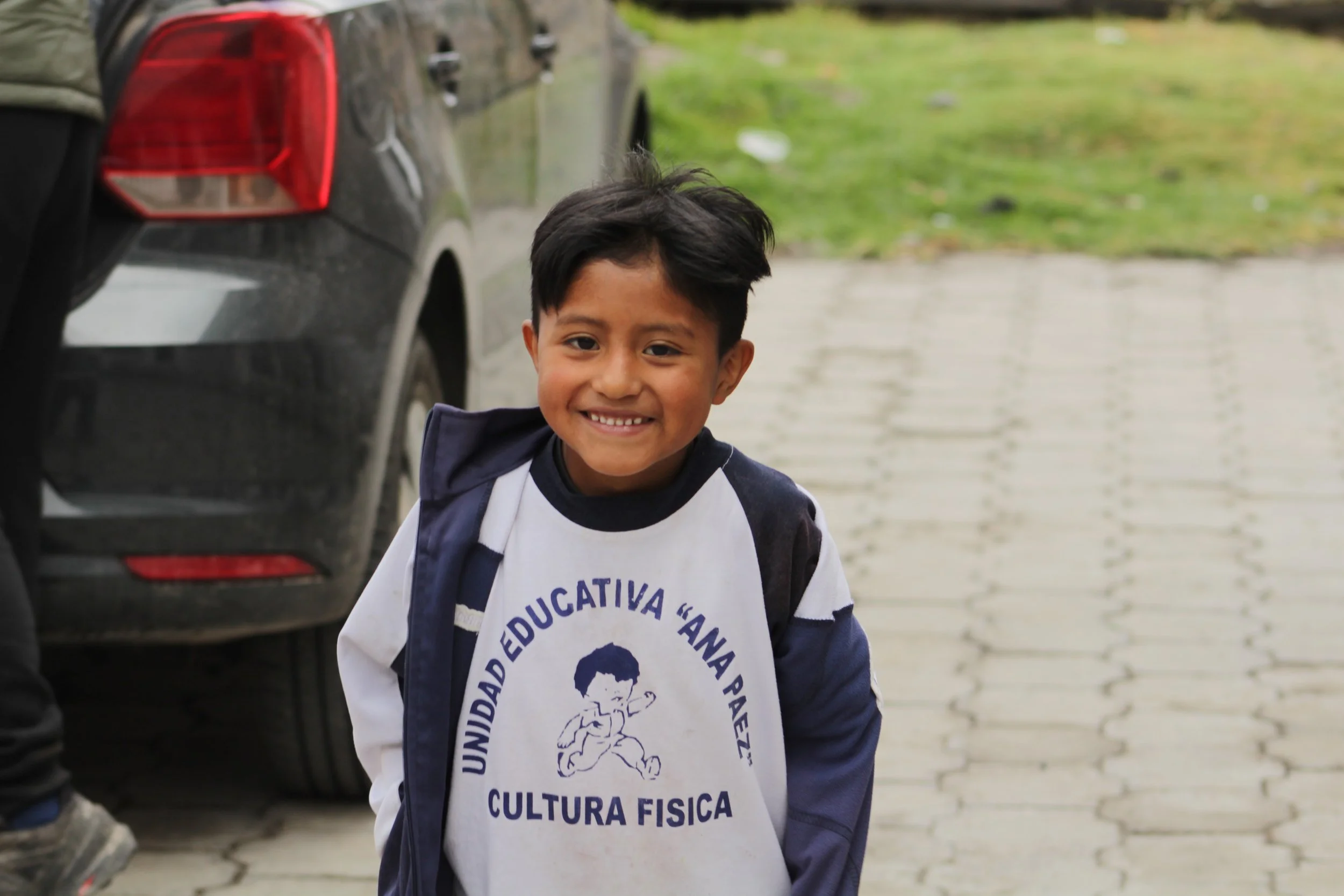
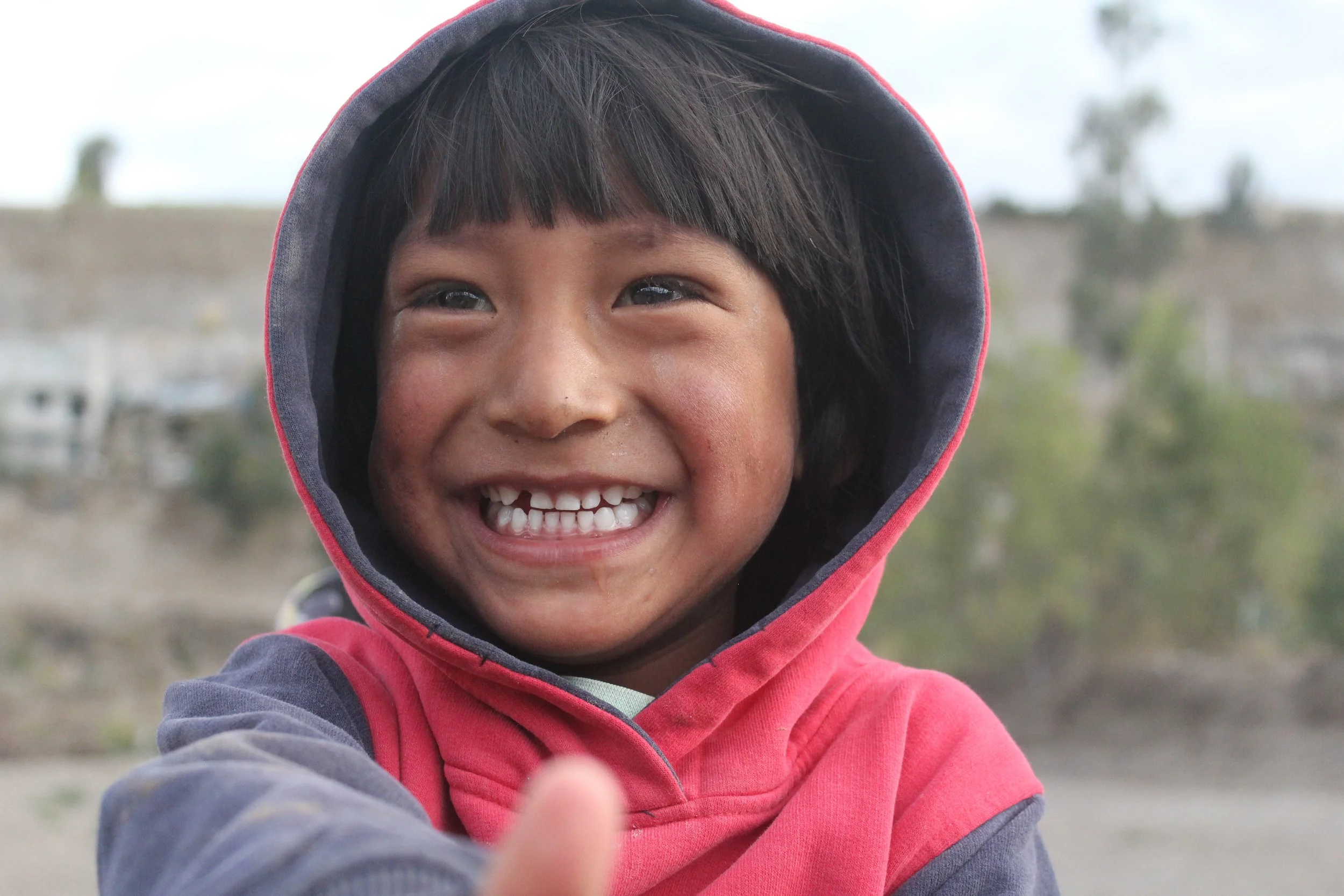
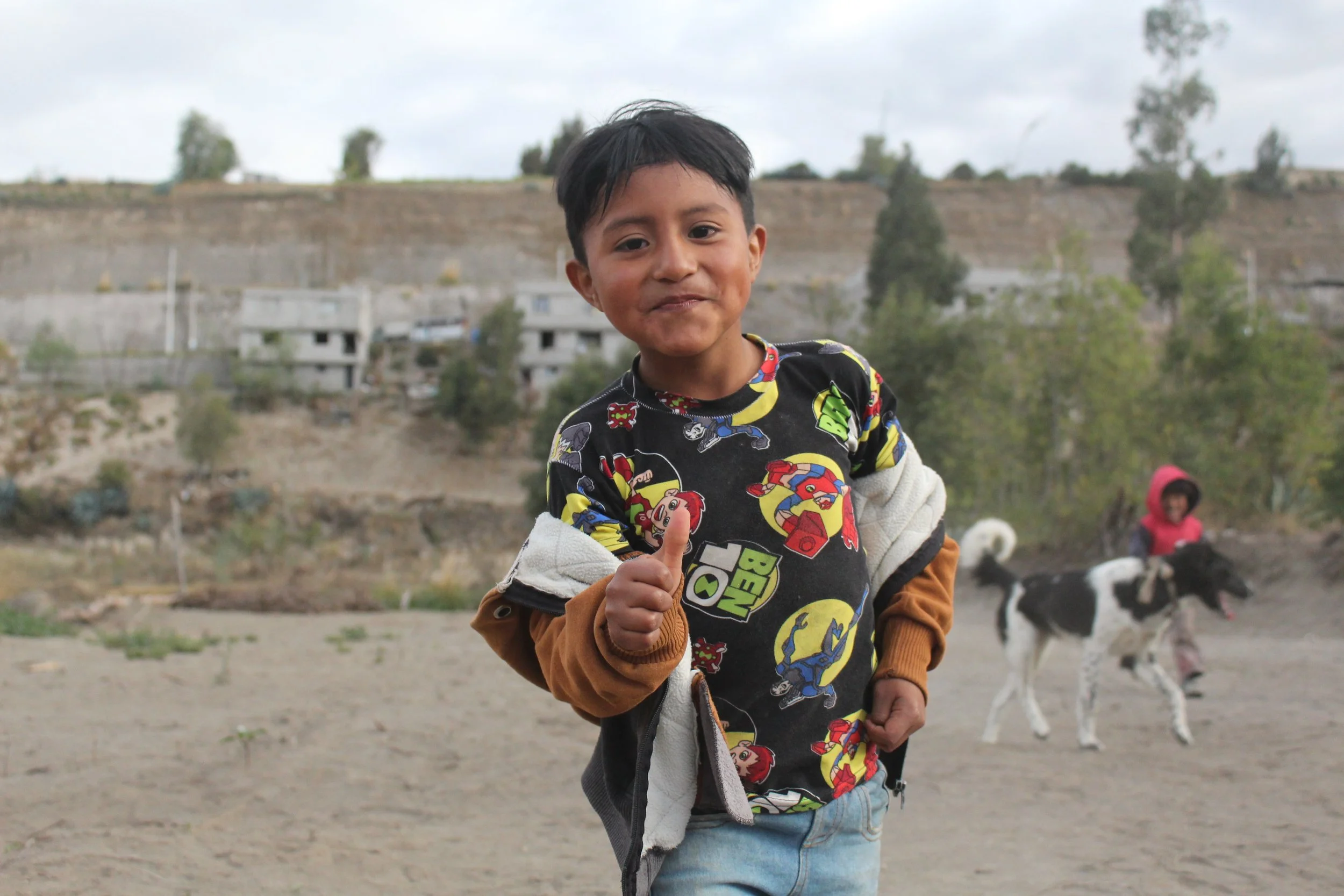
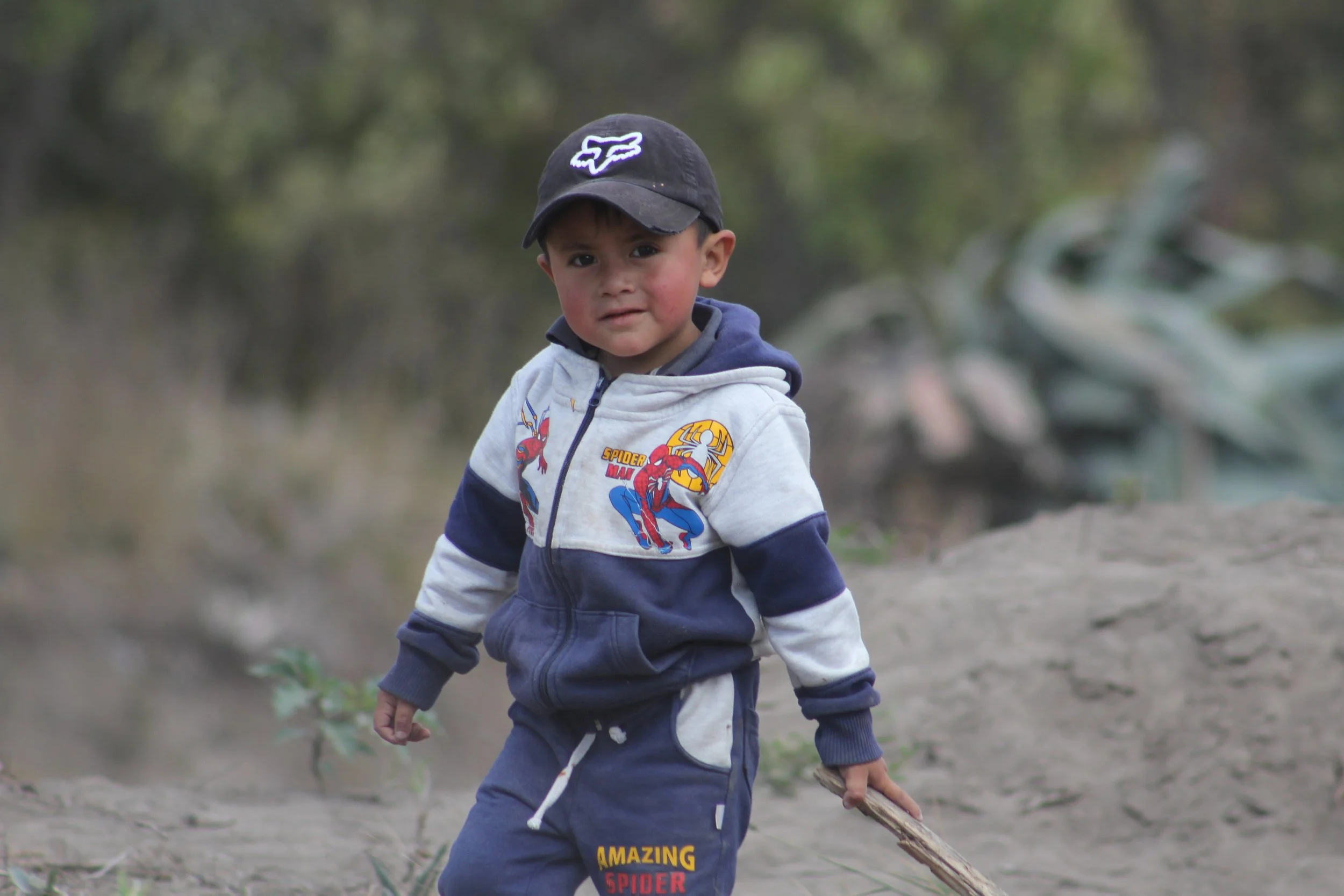
When Joel was five years old, his rice came out the color of grass.
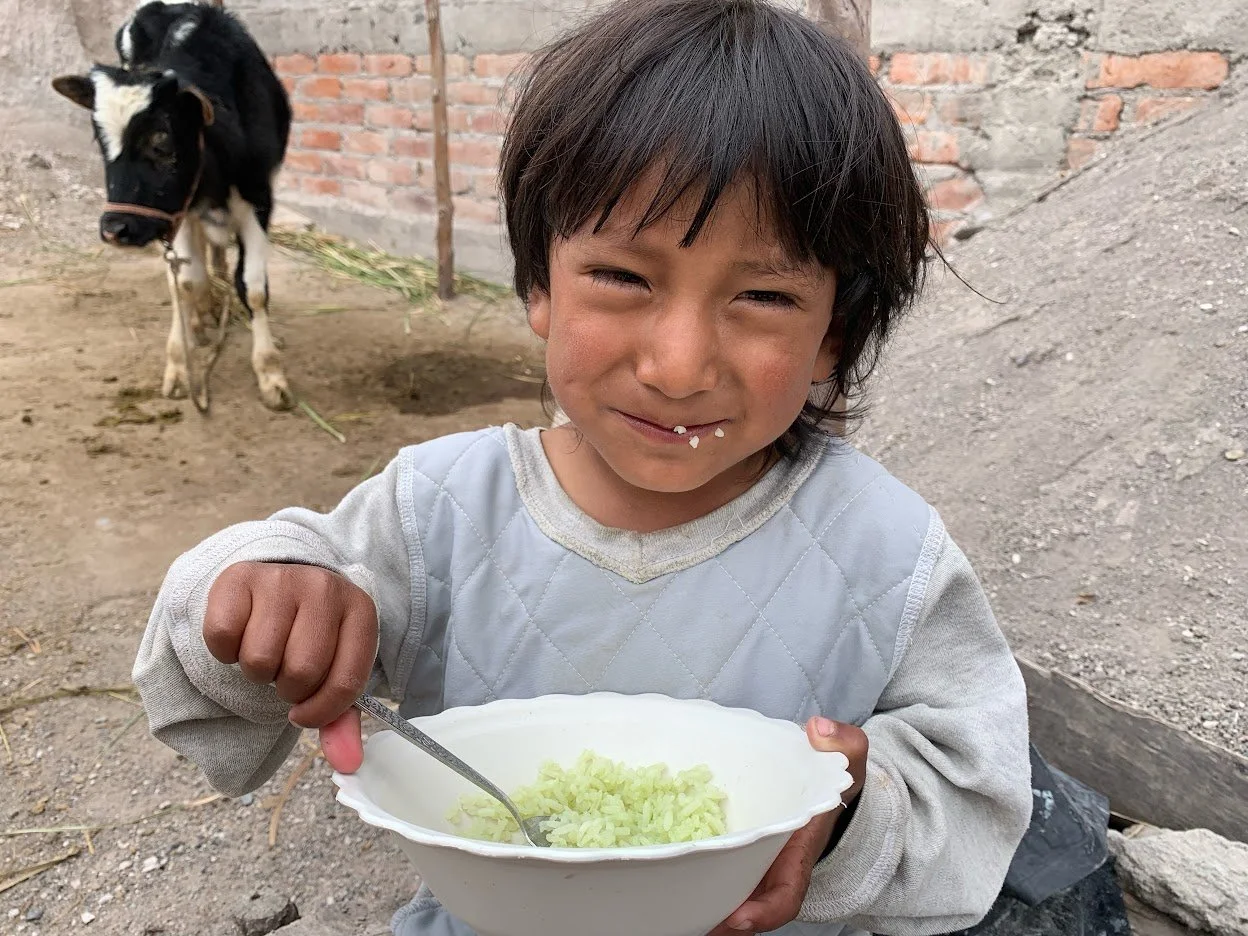
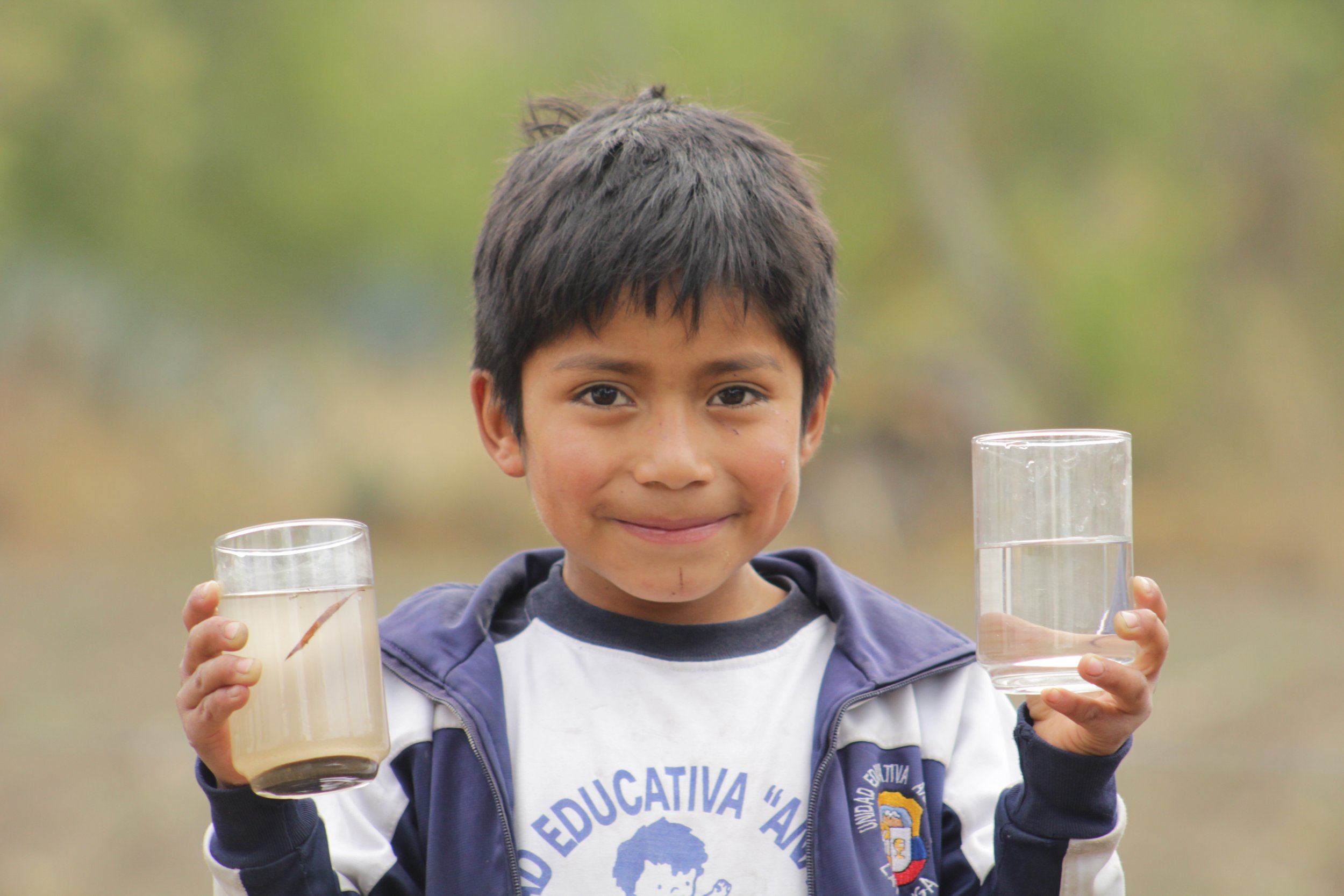
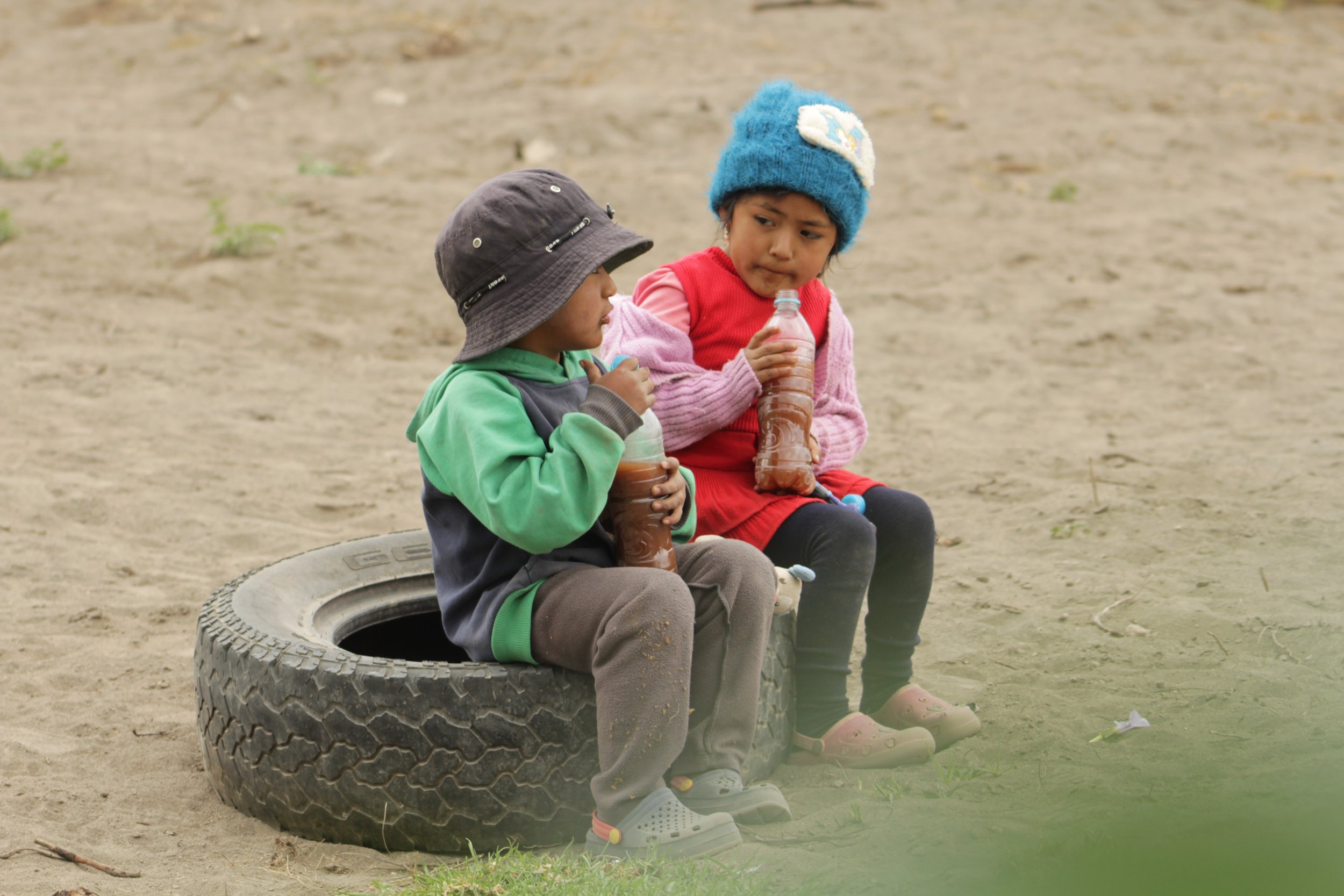
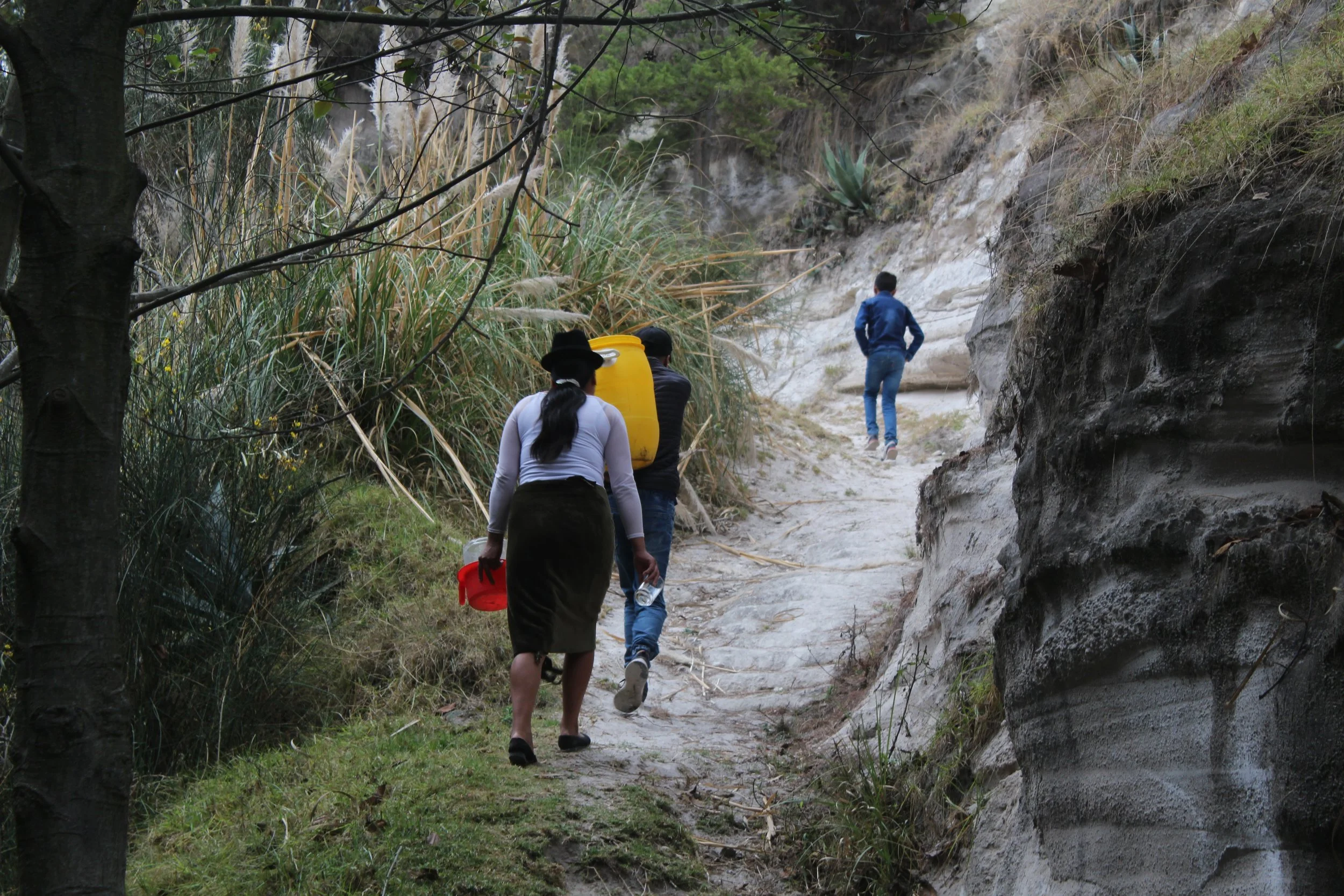
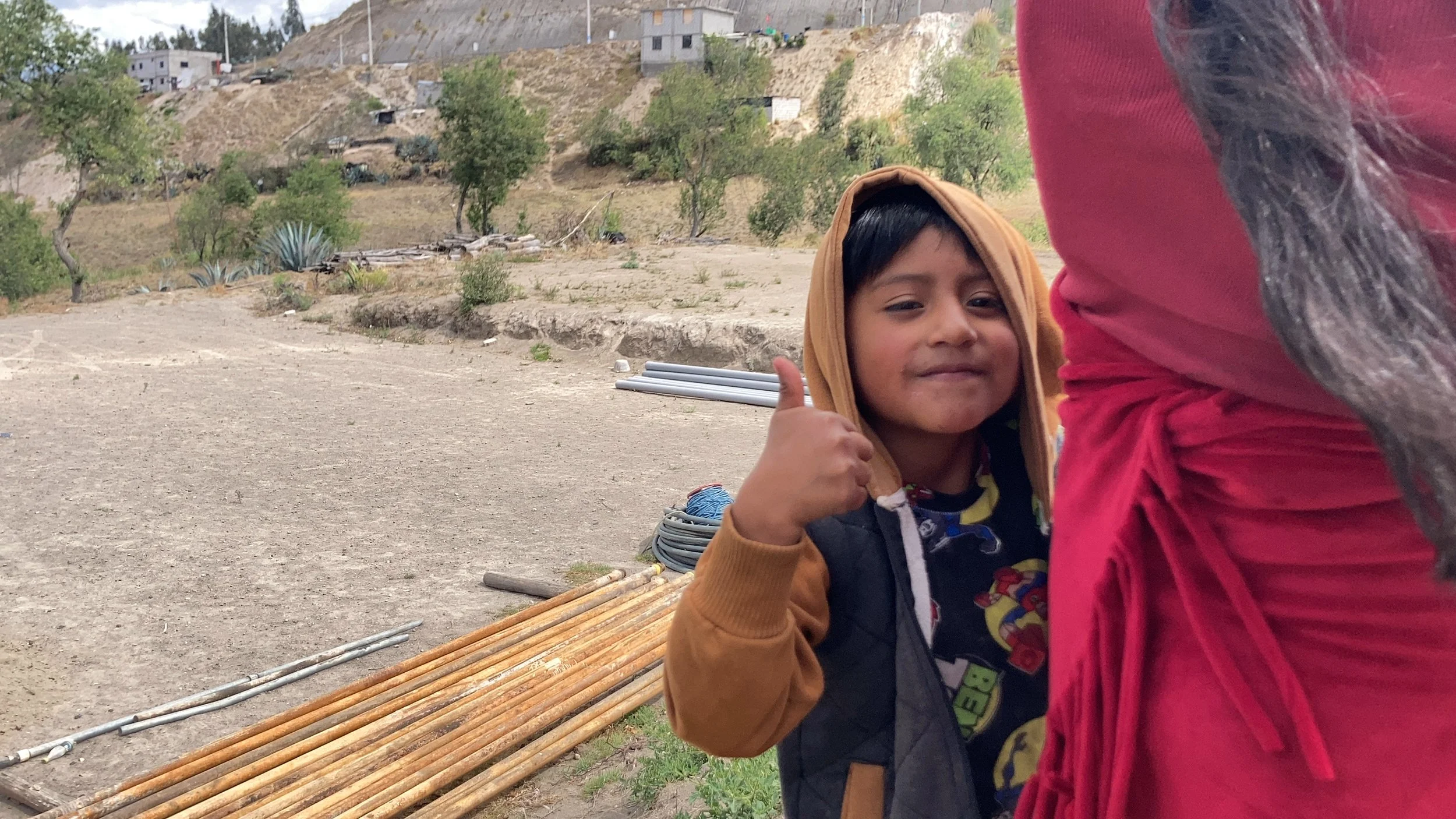
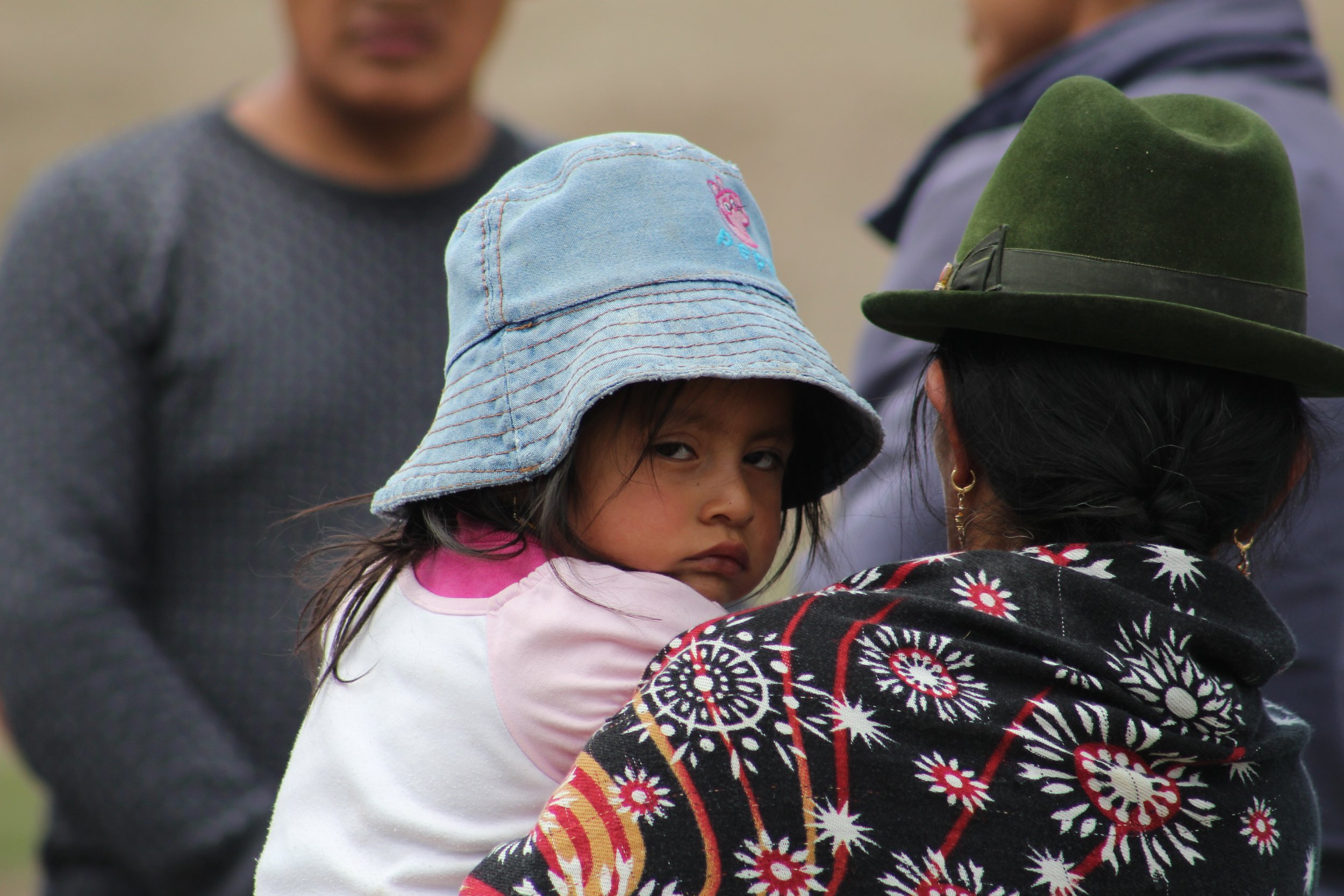
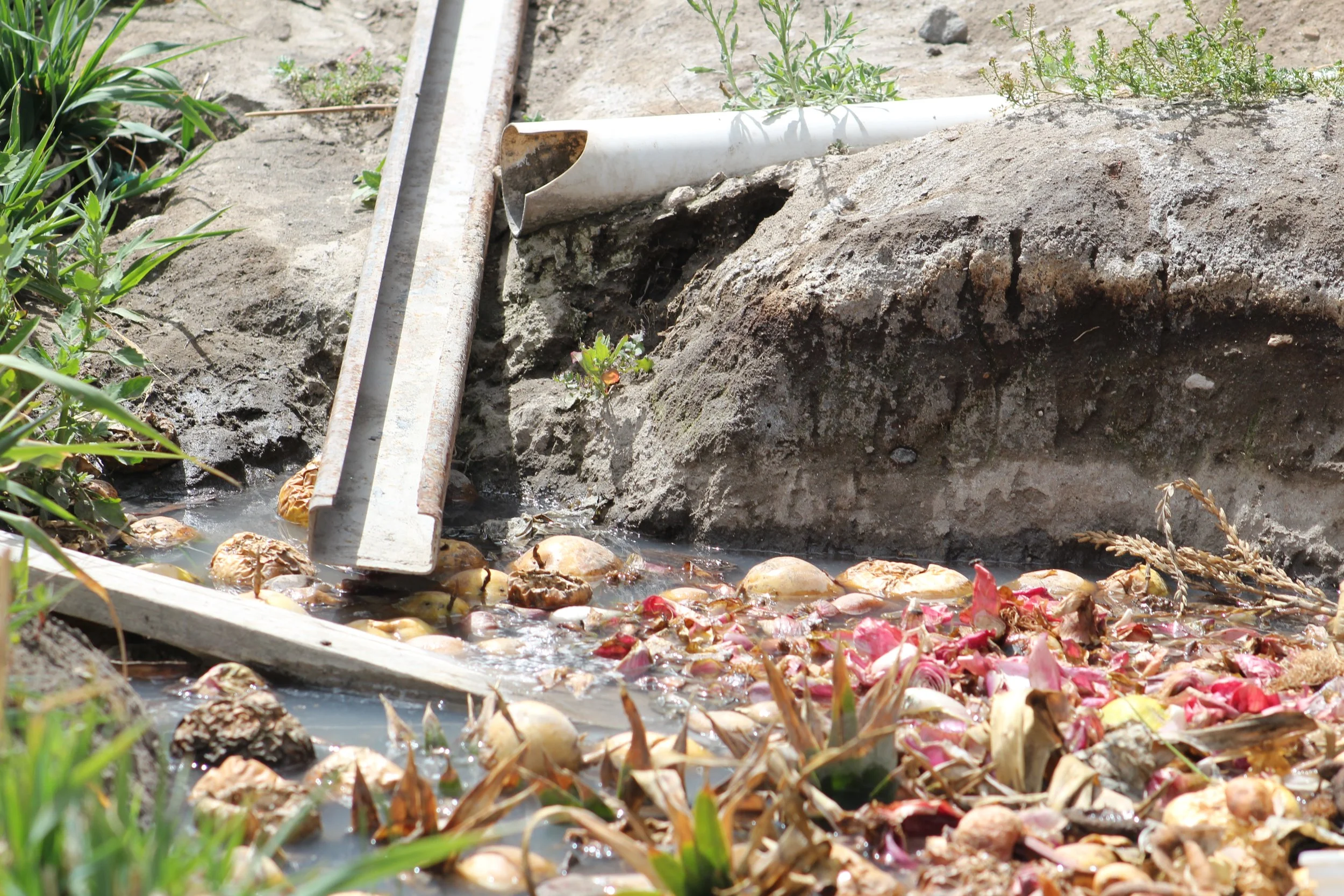
That was every day in his community. Green rice, cooked in green water, served in a one-room house at the foot of an Andean volcano. The water came from a creek at the bottom of a steep gorge, more than an hour’s walk down from the settlement. It was thick with algae. Children carried it home in five-gallon buckets, hauling them back up the climb because somebody had to fetch it and the men were at work all day. The water was the color of pond scum, and so was the rice it cooked. That was breakfast. That was dinner.
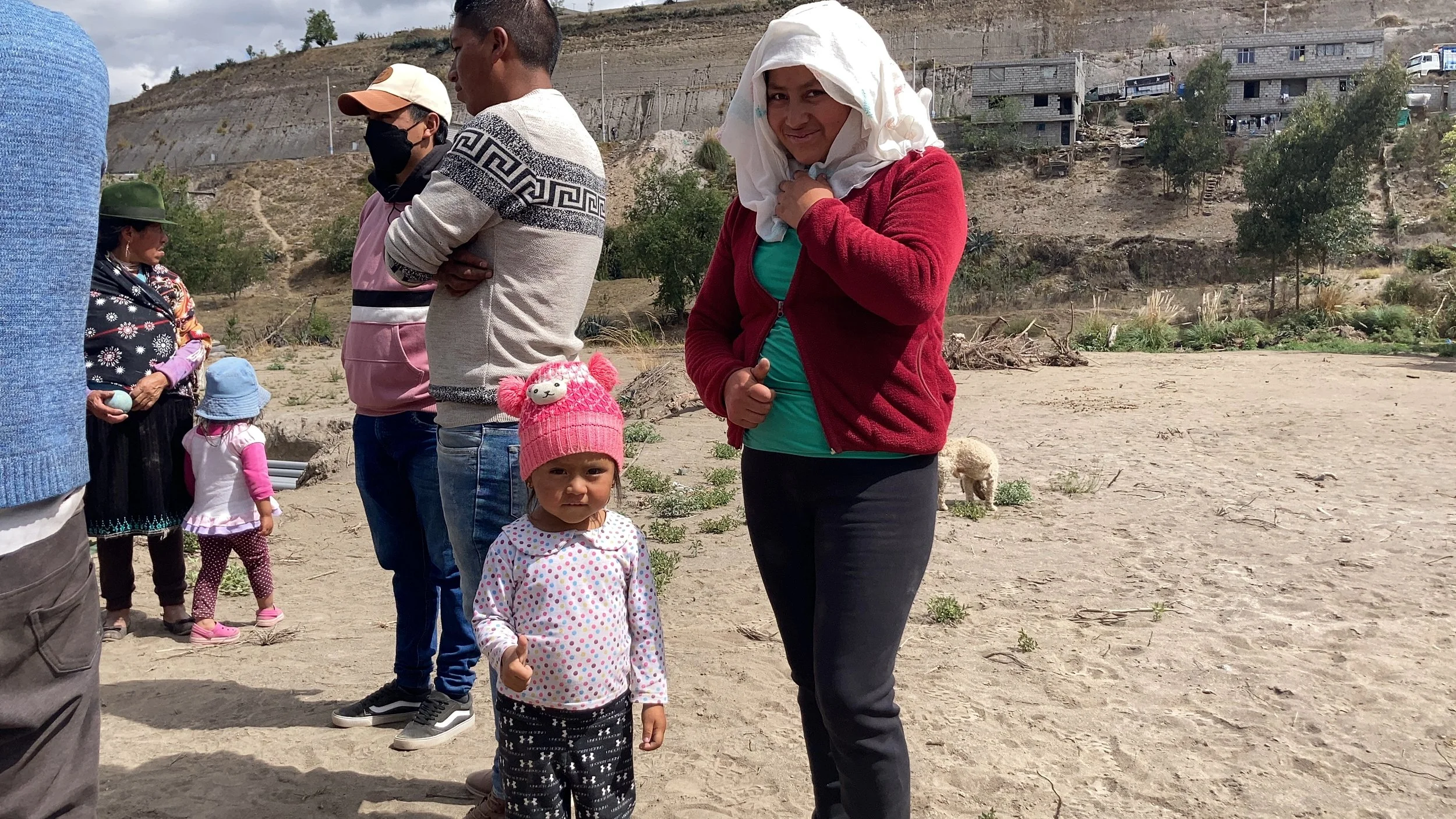
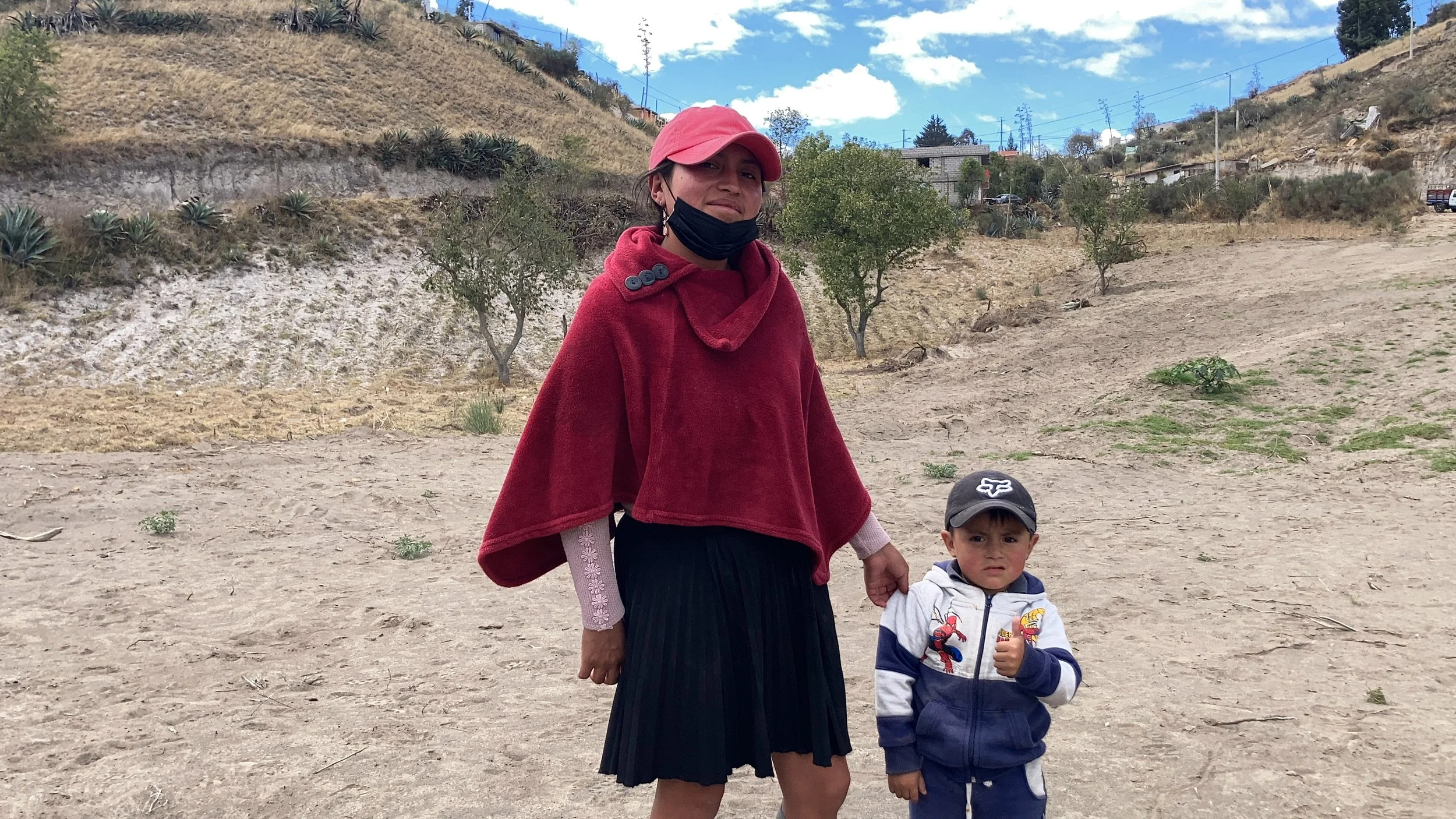
Joel’s family lived in a cluster of houses in the highlands of central Ecuador, on a hillside at the base of a volcano. Most of his neighbors had come down from higher elevations looking for steady work, and they had found it making concrete blocks — pouring volcanic ash and cement into wooden molds, lifting the cured blocks, stacking them, breathing dust all day long. The men started at four in the morning. They finished at ten at night. At the time of our first visit, the wage was three dollars a day.
There was no running water in the settlement. There was no school most of the children attended consistently — too many of them, like Joel, were the ones hauling buckets. There were the blocks, the climb, the green rice.
There was also a small church on the edge of the settlement. And inside that small church was a pastor named Abraham.
A pastor who had been at it a long time
Pastor Abraham had not been waiting for an outside organization to come help his community. For years, he had been doing what he could.
His church members were as poor as their neighbors. Most of them were market vendors and day laborers themselves, with no extra money in their own pockets. But what they had was a few hours before sunrise. So that is what they used. Several of them got up at four a.m. and picked up extra shifts at the local markets — unloading produce, setting up vendors’ stalls, doing whatever earned a little cash before the sun came up. The money went into bags of rice, which they carried back to the church and cooked there for the children of the settlement, including Joel, whenever there was enough.
The rice they bought was white. By the time it came out of the pot, it was green. The water at the church came from the same gorge as everyone else’s, and it stained the rice the same color it stained everything. Pastor Abraham’s congregation was buying clean food and serving it changed. They knew it. They kept doing it anyway, because green rice was still rice, and the children were still hungry.
This was the rhythm for a long stretch of years. Pre-dawn market work. Green rice at the church. A small congregation of people with very little, choosing to spend what little they had on their neighbors' children. Pastor Abraham led it, prayed over it, and kept looking for ways to make it more than a meal — and to make the meal what it should have been.
Eventually, that search took him up to the capital. He enrolled in a church-planting workshop at a seminary there, hoping to find tools that would help him take his ministry deeper into the community he loved. The workshop was taught by Bobby Lynch, co-founder of Project M:25.
After class one day, the two of them got to talking. Pastor Abraham described the gorge, the green rice, the children with the buckets. Bobby asked if he could come see for himself.
What walking alongside looked like
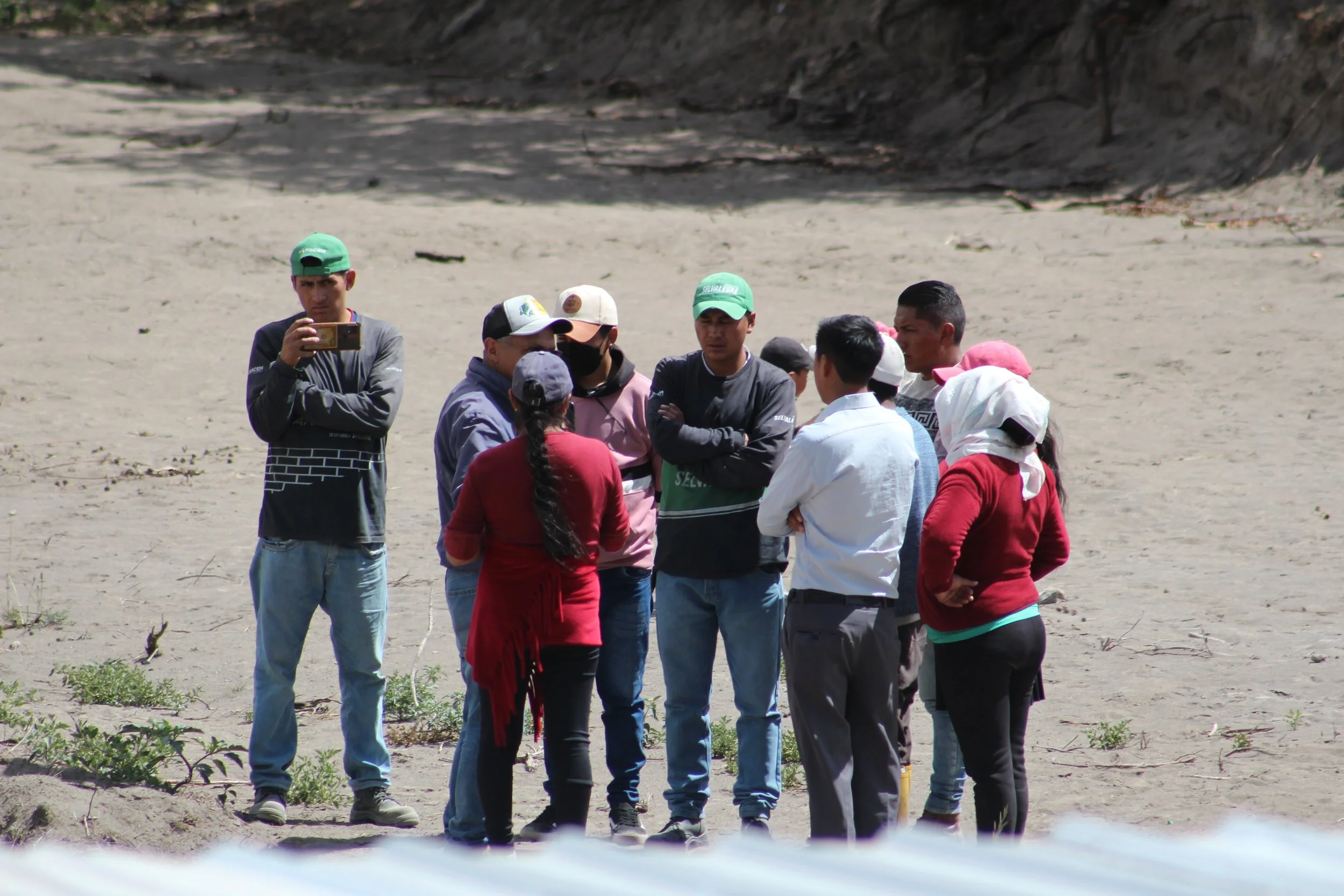
A few weeks later, we made the long drive down to the community. We met the families and watched the children climbing the gorge with their buckets.
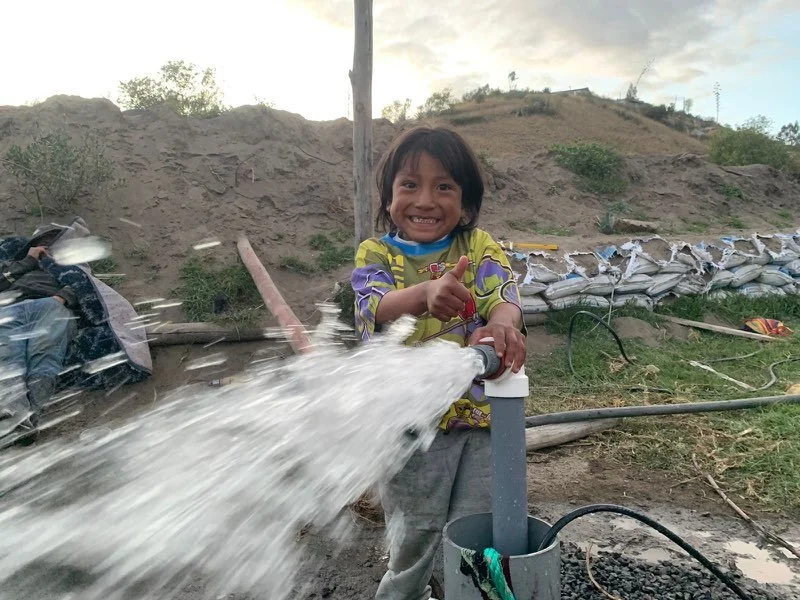
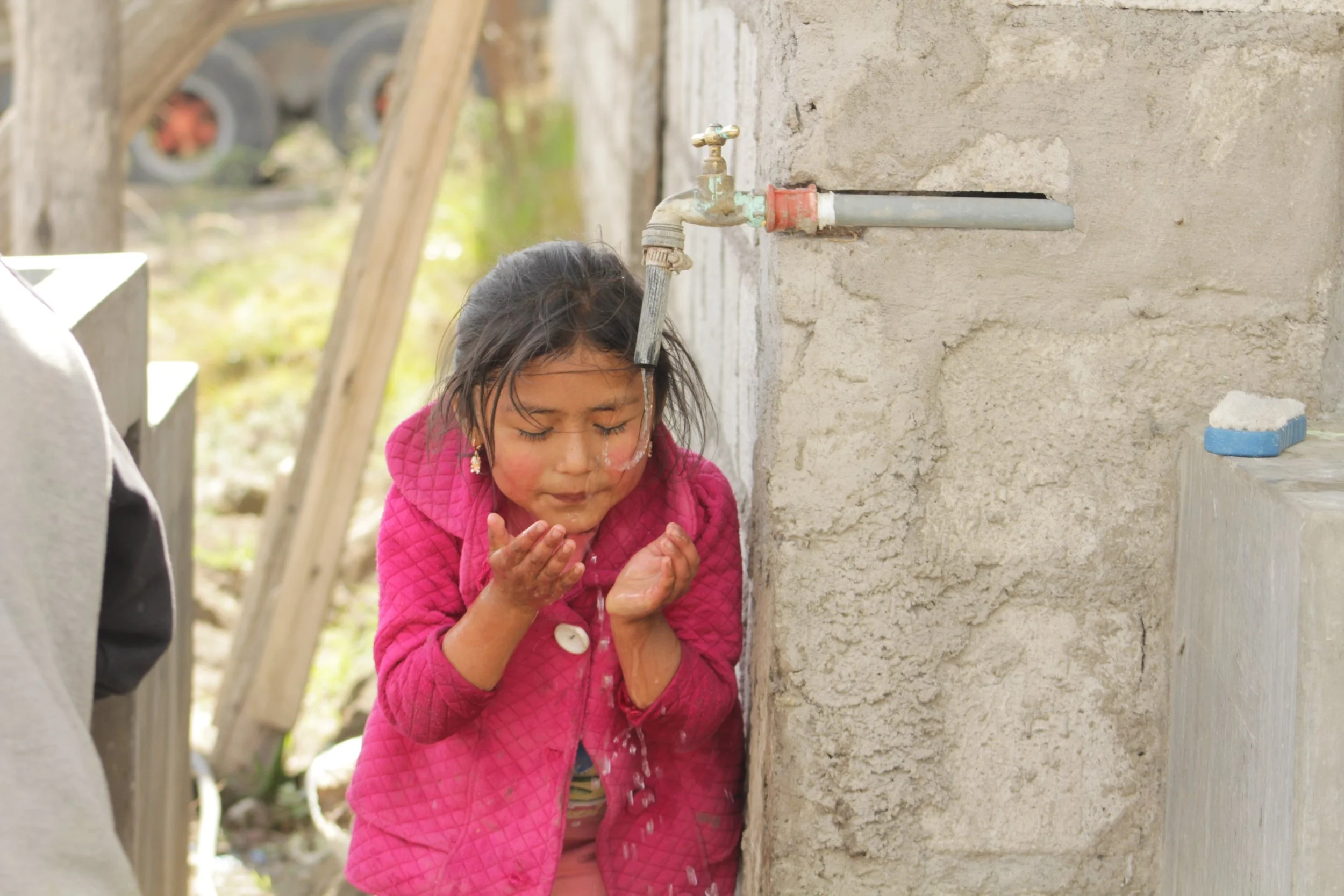
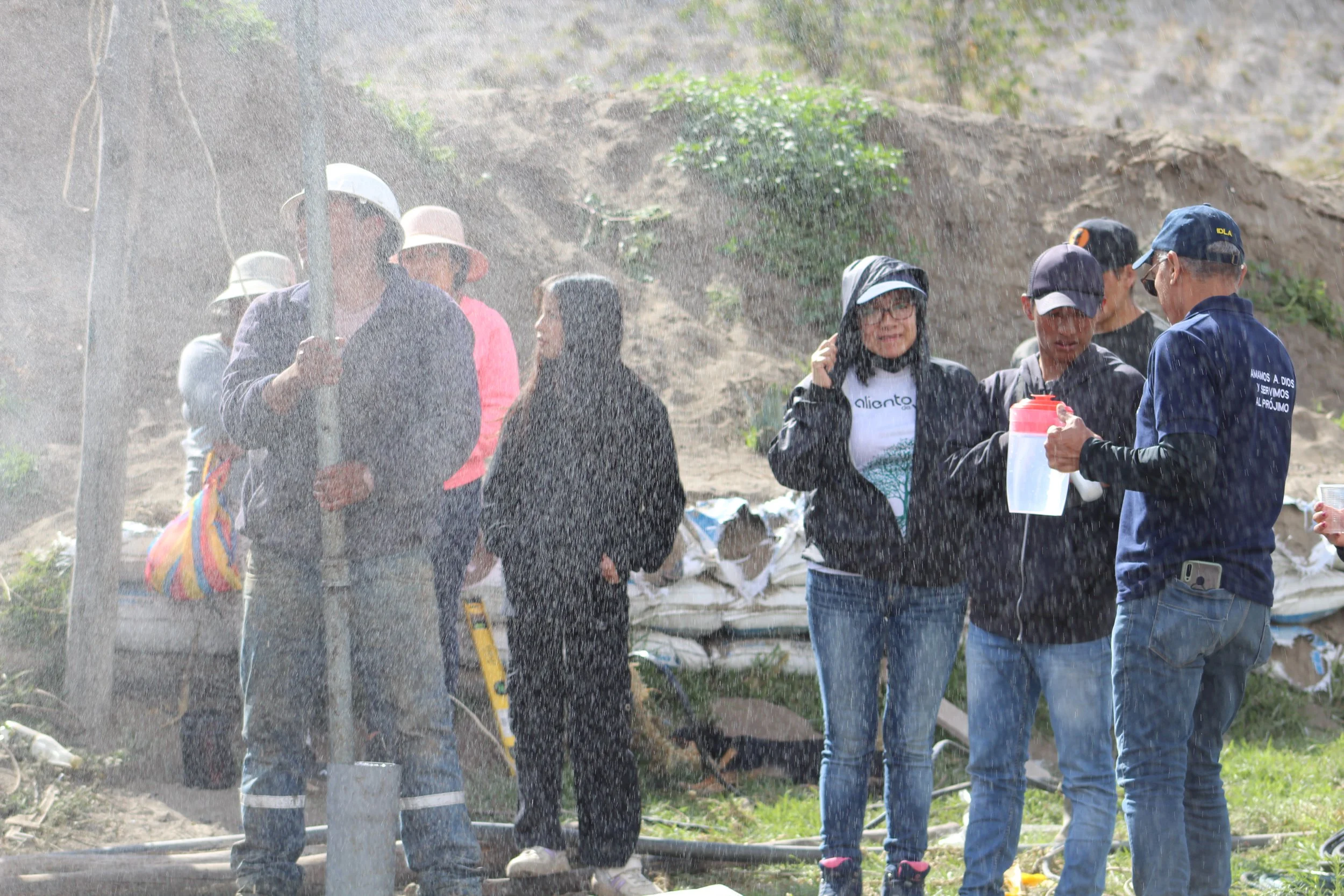
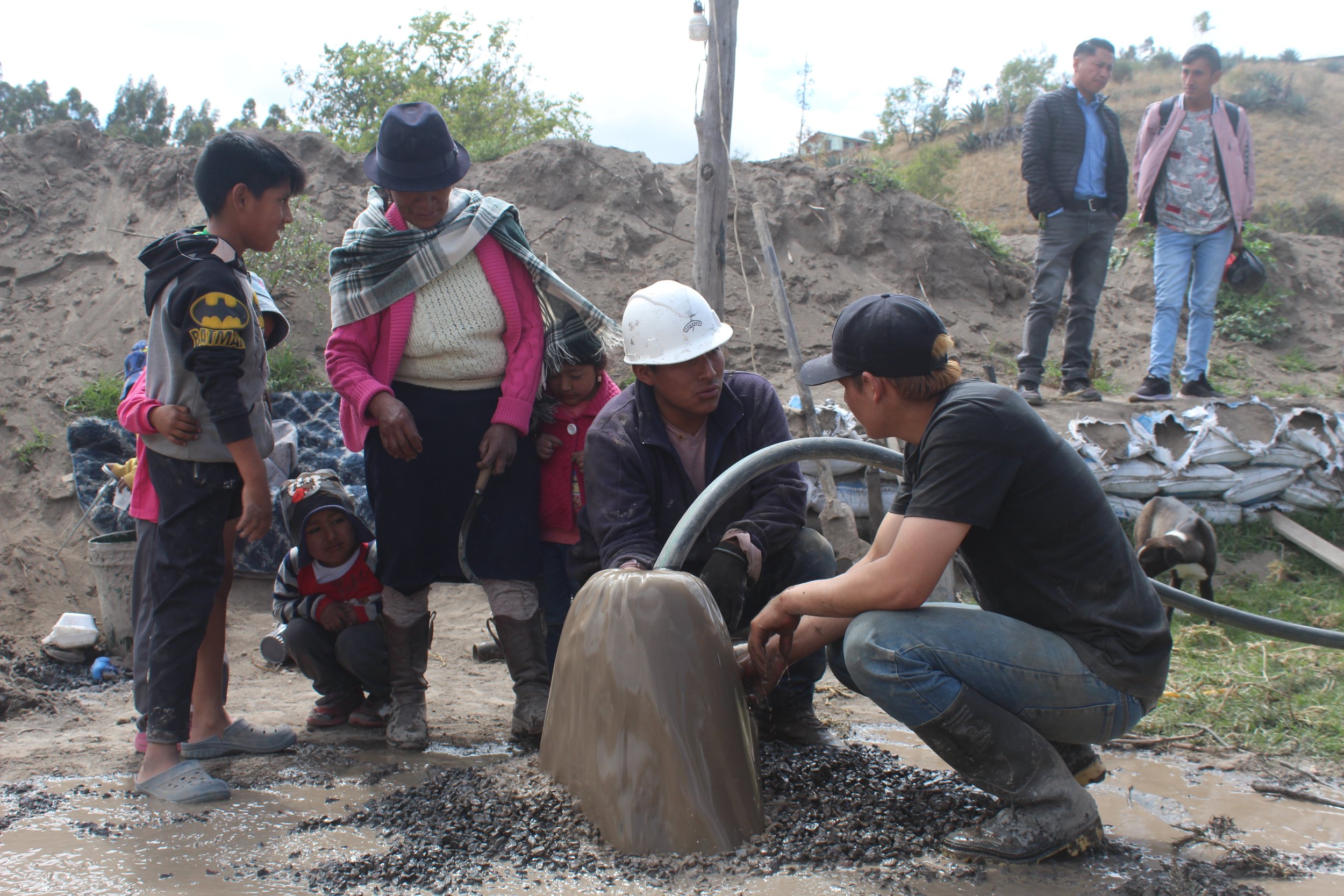
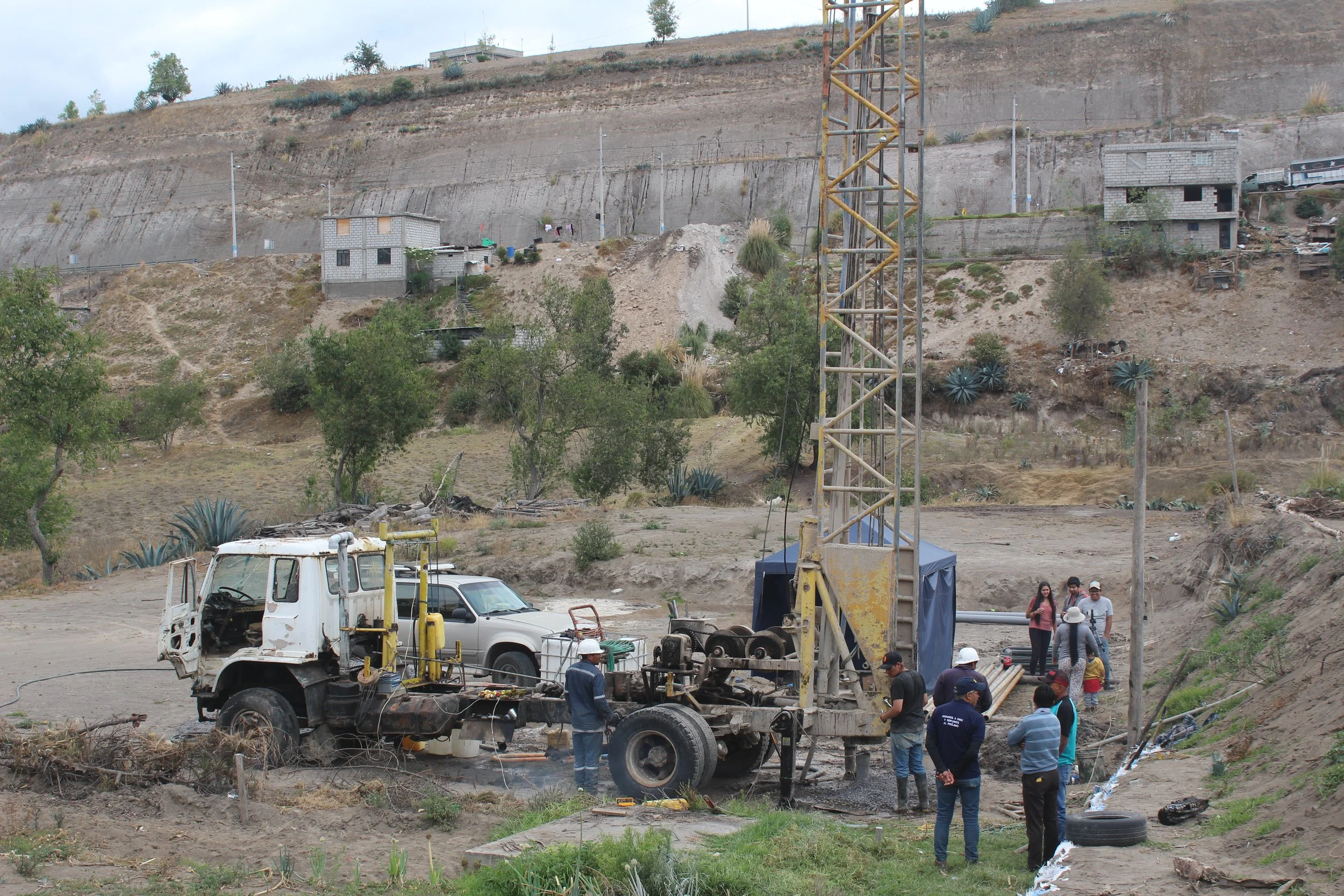
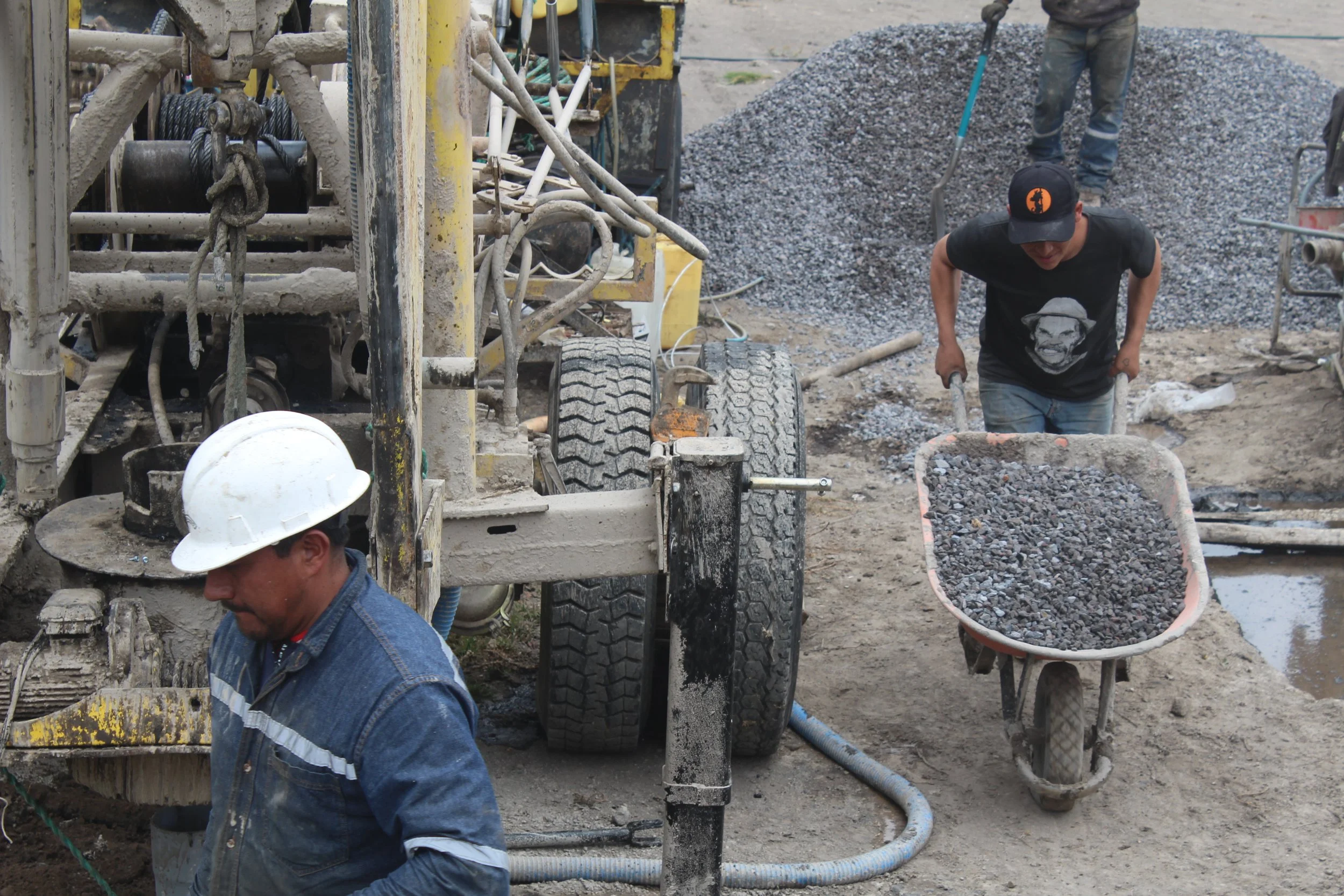
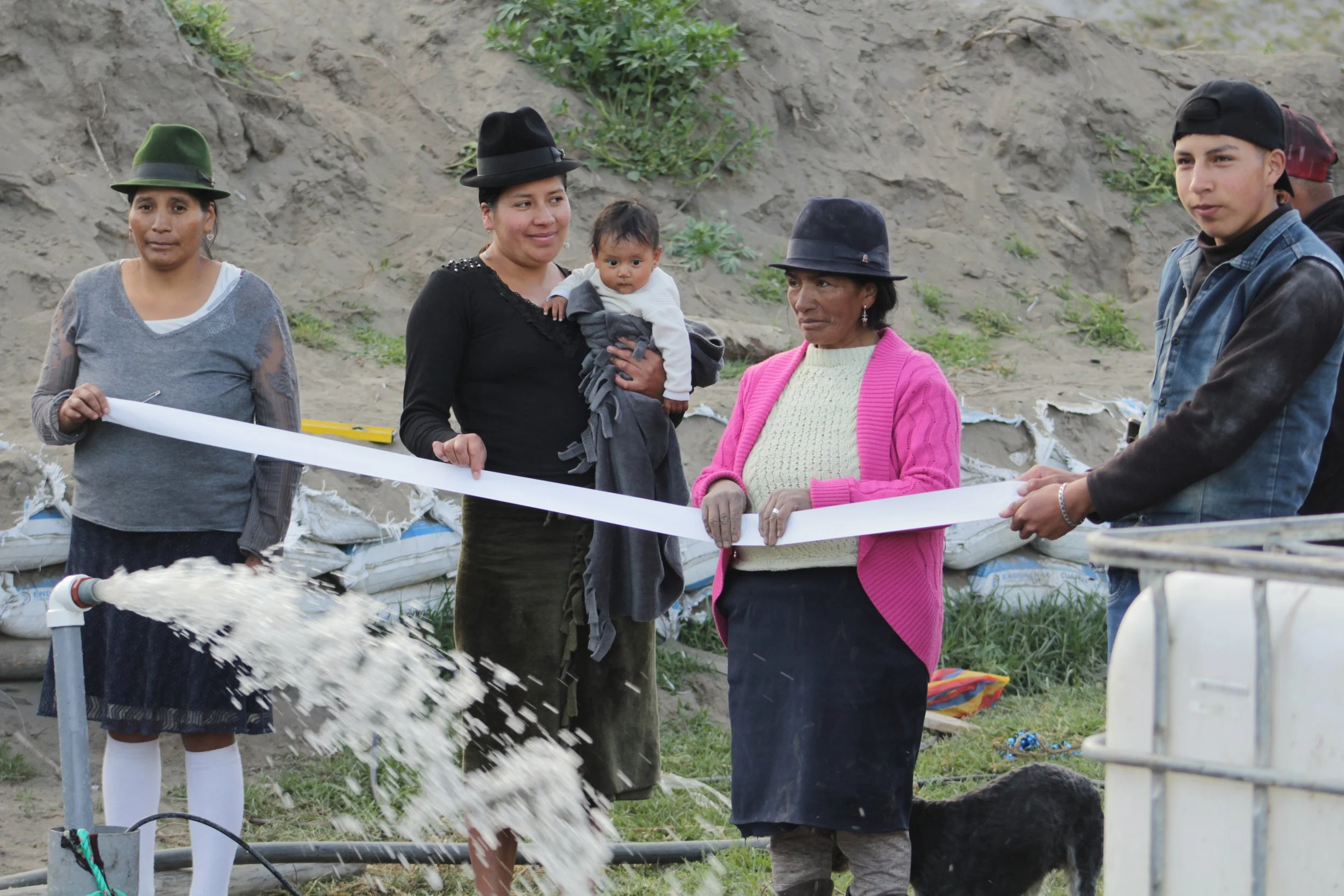
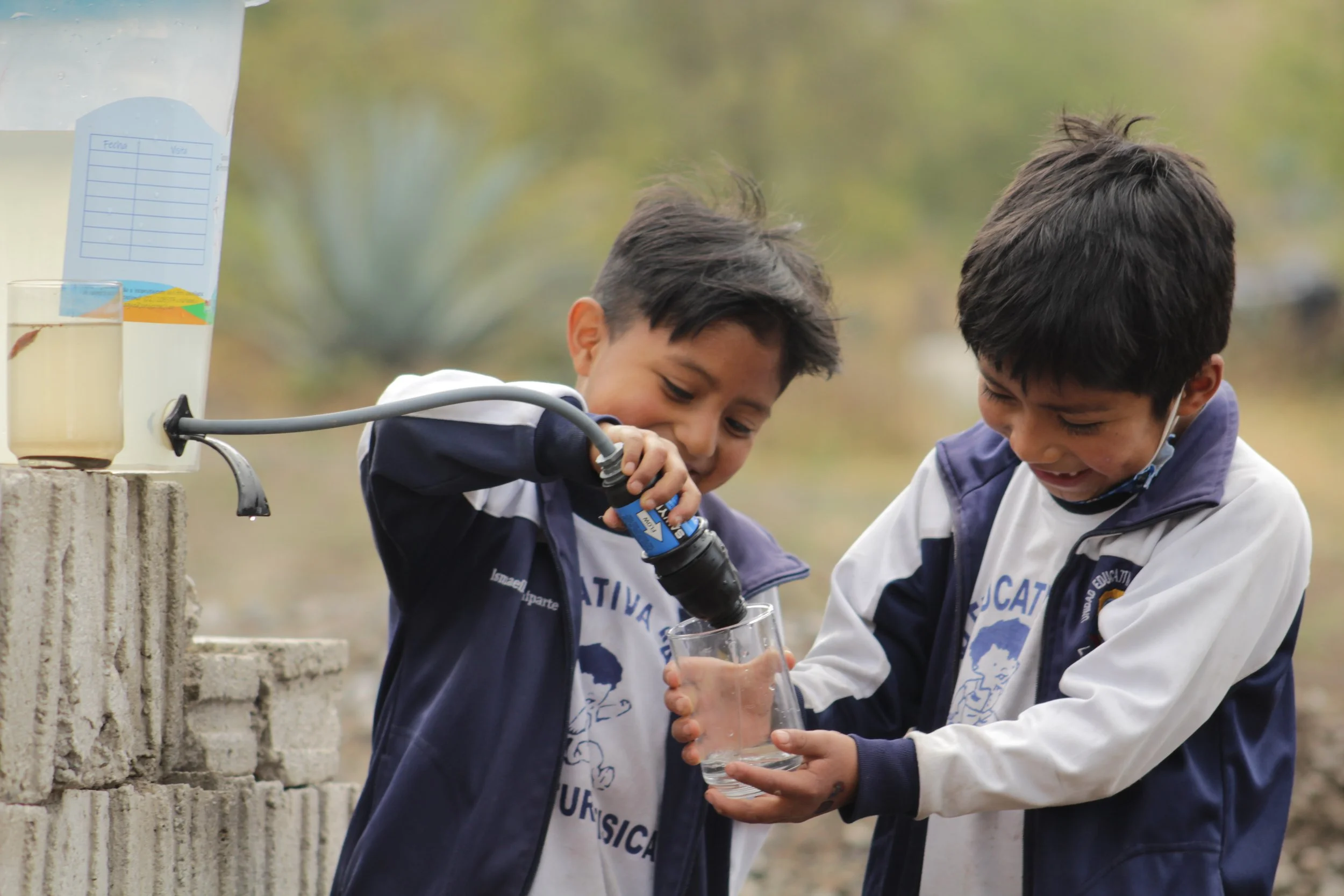
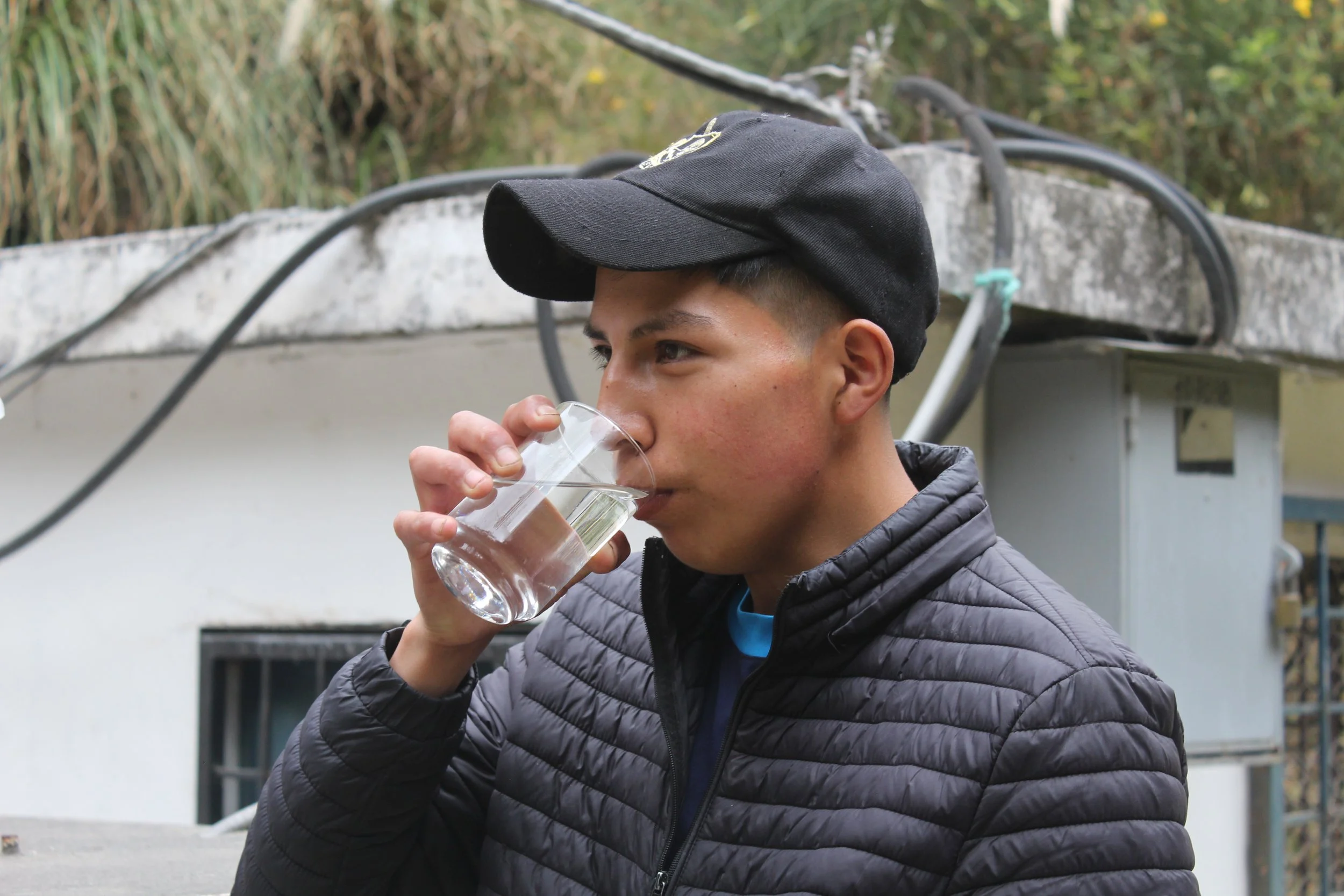
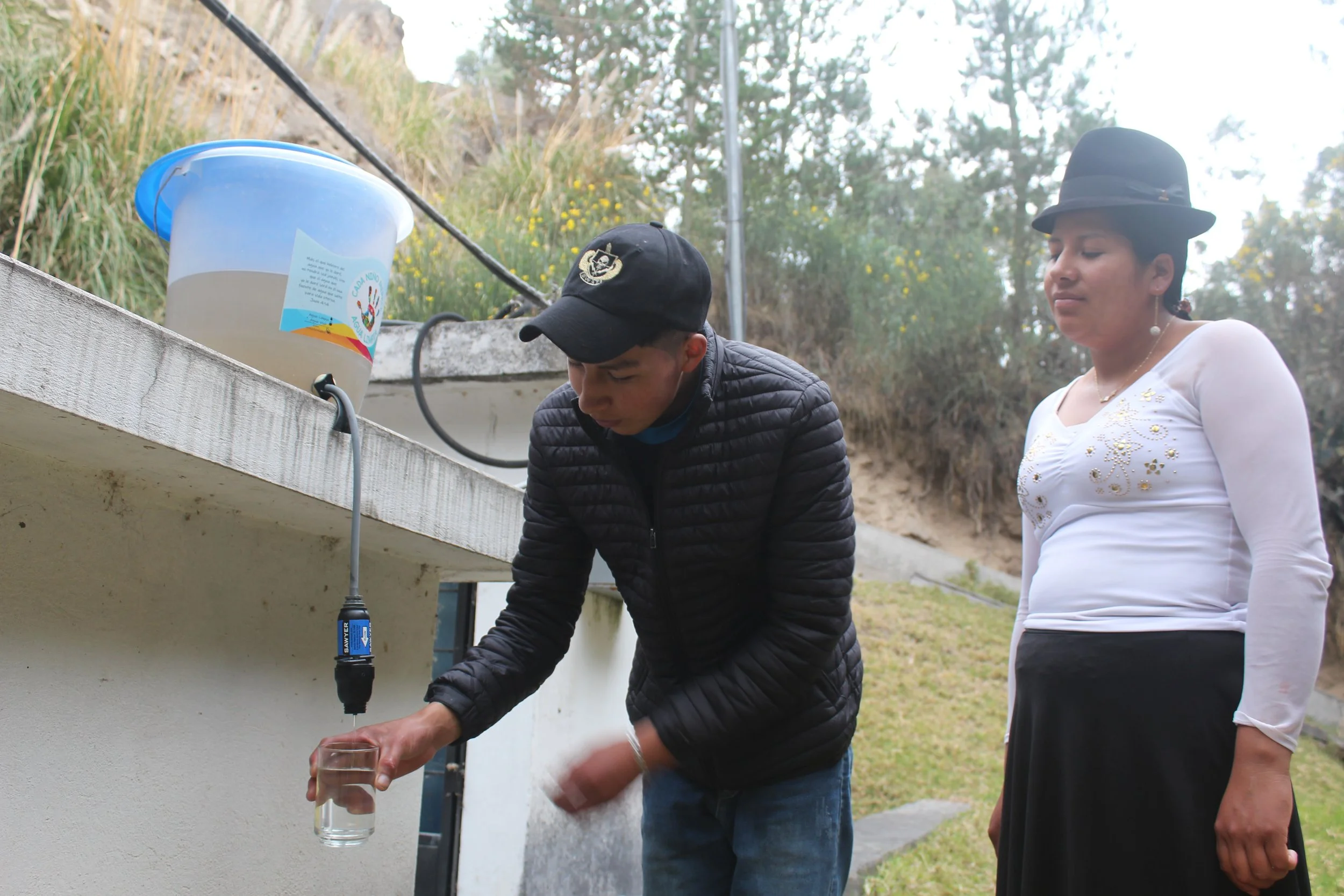
Project M:25 partnered with Pastor Abraham to drill a deep-water well for the community. Then, one family at a time, water filters were installed in every home. The first filter — the very first — went to the church. The same small church where bags of white rice had been turning green for years.
With the filter in place, the church cooked the next pot the way it had been buying the rice all along: clean and white, the way it should have been from the start. The children sat down to bowls of white rice for the first time in their lives.
And that is when Joel said the sentence.
He was sitting at the table, eating from a bowl that had just been set in front of him. He looked up, almost to himself, and said:
“I wish I could have white rice at home!”
He had eaten green rice his whole life. The white rice on the church’s table was the first version he had ever seen. He thought it was special-occasion food. He thought it lived at the church.
The next round of filters went to his house. And to every other house in the community.
What’s true now
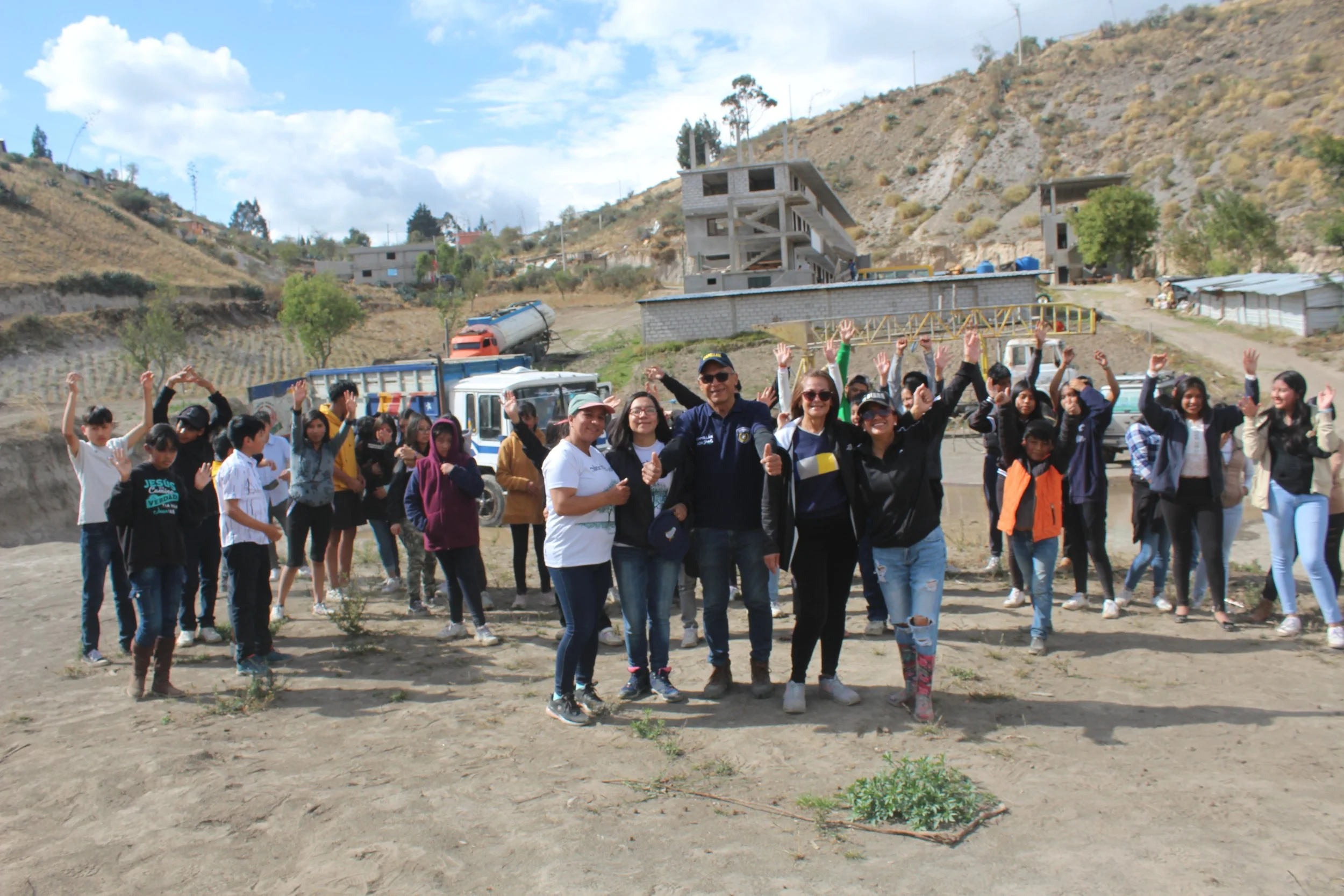
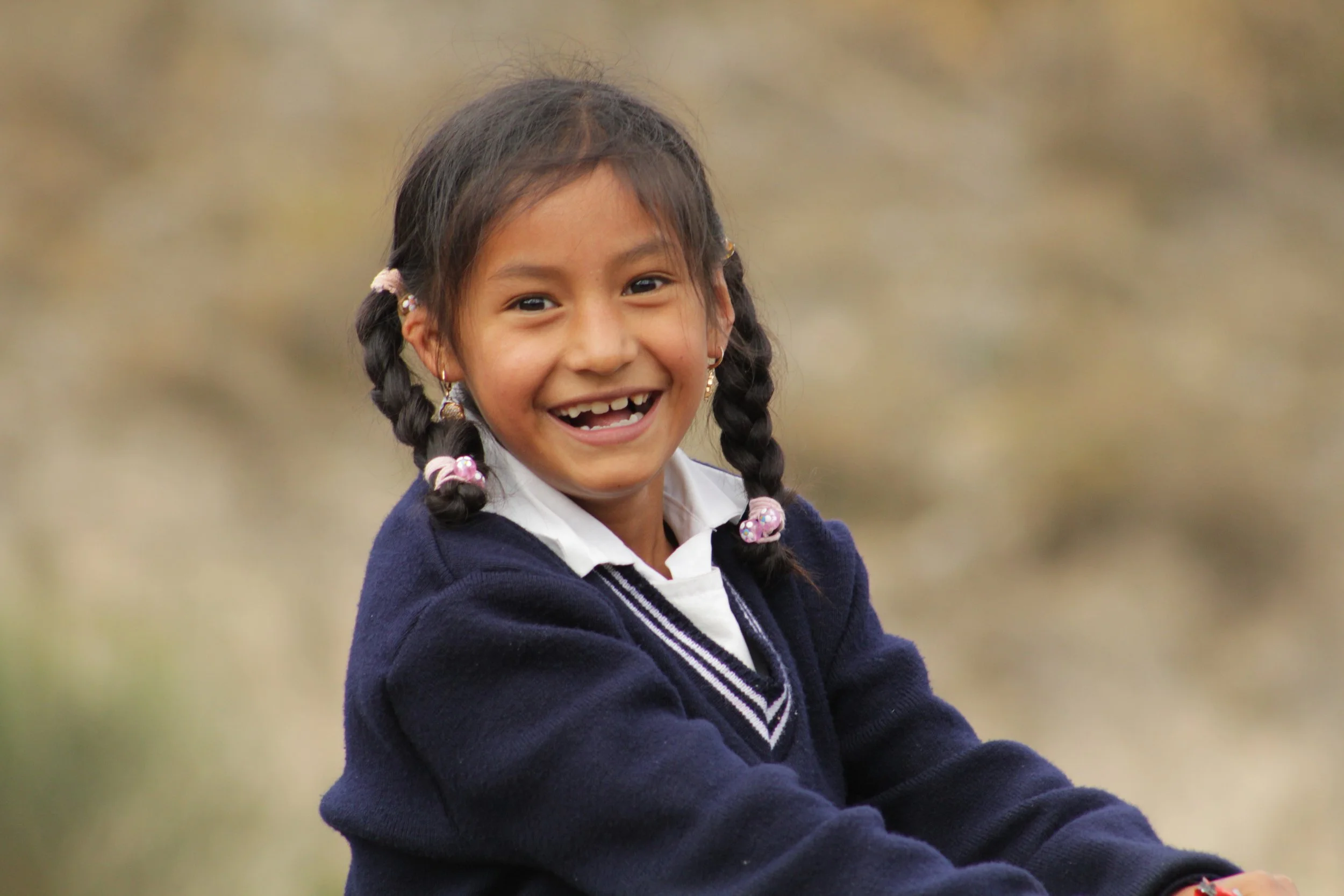
Today, every home in the settlement has a filter. The well still runs. Joel, who is older now, is in school. His mother cooks white rice in her own kitchen. The children who used to climb the gorge with buckets no longer do.
Pastor Abraham has since completed Thrive Community Care — a year-long training Project M:25 offers to local pastors who want to lead long-term, whole-person care in their own communities. The course weaves together clean water, child development, family support, trauma-informed care, and discipleship. His small church now does much more than cook rice. It runs an integrated ministry that meets families’ physical, emotional, and spiritual needs simultaneously. And he is one of a growing network of partner pastors across Latin America who have completed the same training and are doing the same work in the places they already love.
Give Water opened the door to relationship.
This is the model Project M:25 is built on. We do not arrive in a community to fix it. We come alongside the pastor who is already there — who has been there for years, who knows every family by name, who has been buying rice with his church’s own pre-dawn wages — and we help him keep going, longer and deeper, with the resources he has been praying for. The pastor leads. The community heals. Donors and partners make the well possible, and the training, and the years of follow-through that turn a filter into a friendship.
A small line, a true compass
Joel’s sentence has stayed with us. Not sentimental — accurate. In eight words, it named the gap between the dignity a child deserves and the everyday he had inherited. It also named the gap a partnership can close — not in a single visit, but in years of consistent presence.
Closing that gap is slow work. Mostly it is done by people whose names will never appear on a building. Pastors like Abraham. Church volunteers carrying market boxes before sunrise so a child they didn’t have to feed can eat.
None of it happens without the water — and the water happens because partners make it possible.