How the 2016 Ecuador Earthquake Built M:25's Trauma-Informed Framework
Where the Method Was Forged
A retrospective on the season of learning on the go that turned an idea into a method — and a partnership with Lee University that has shaped a decade of Project M:25's children's work.
The Night the Ground Shifted
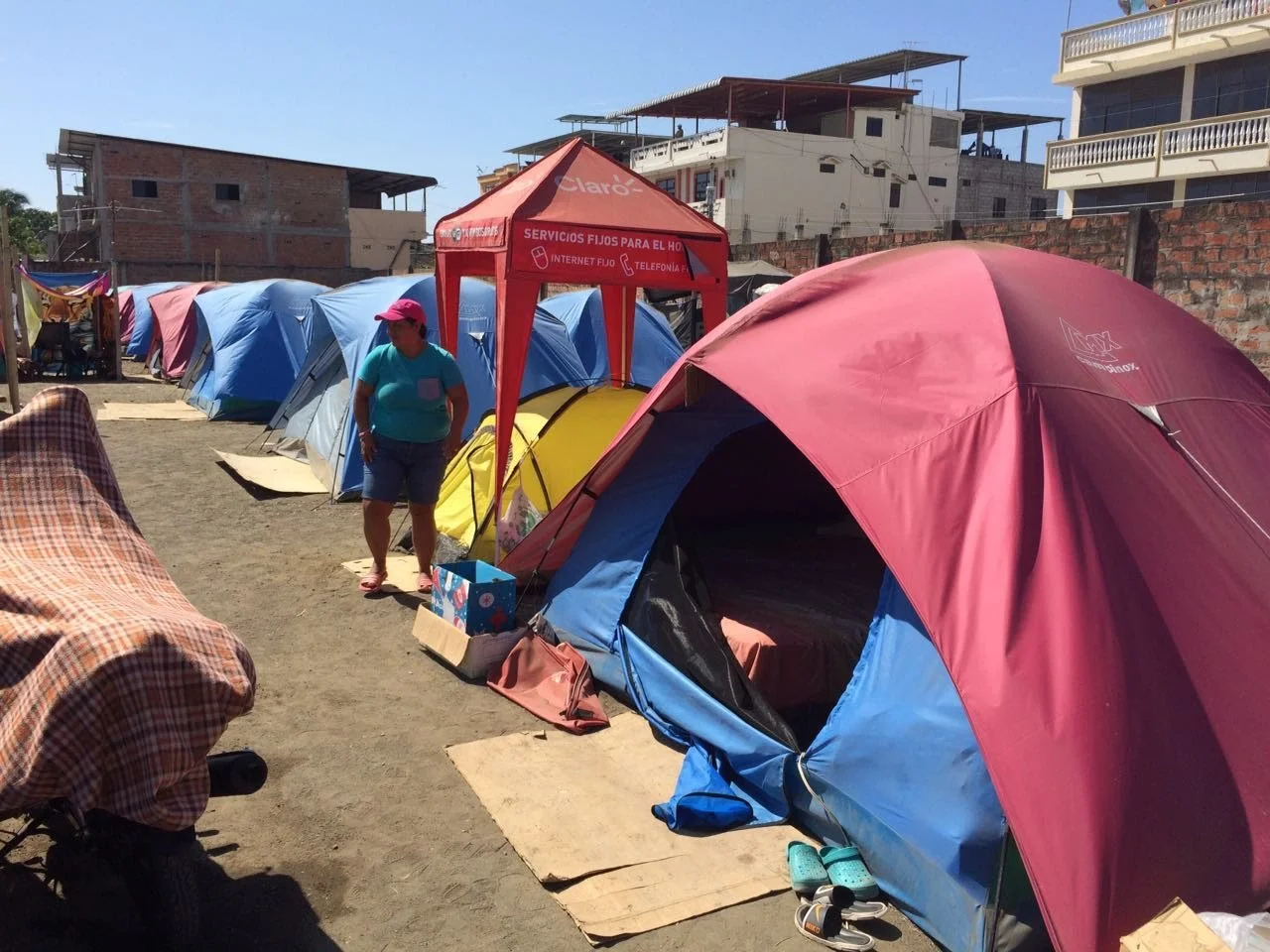
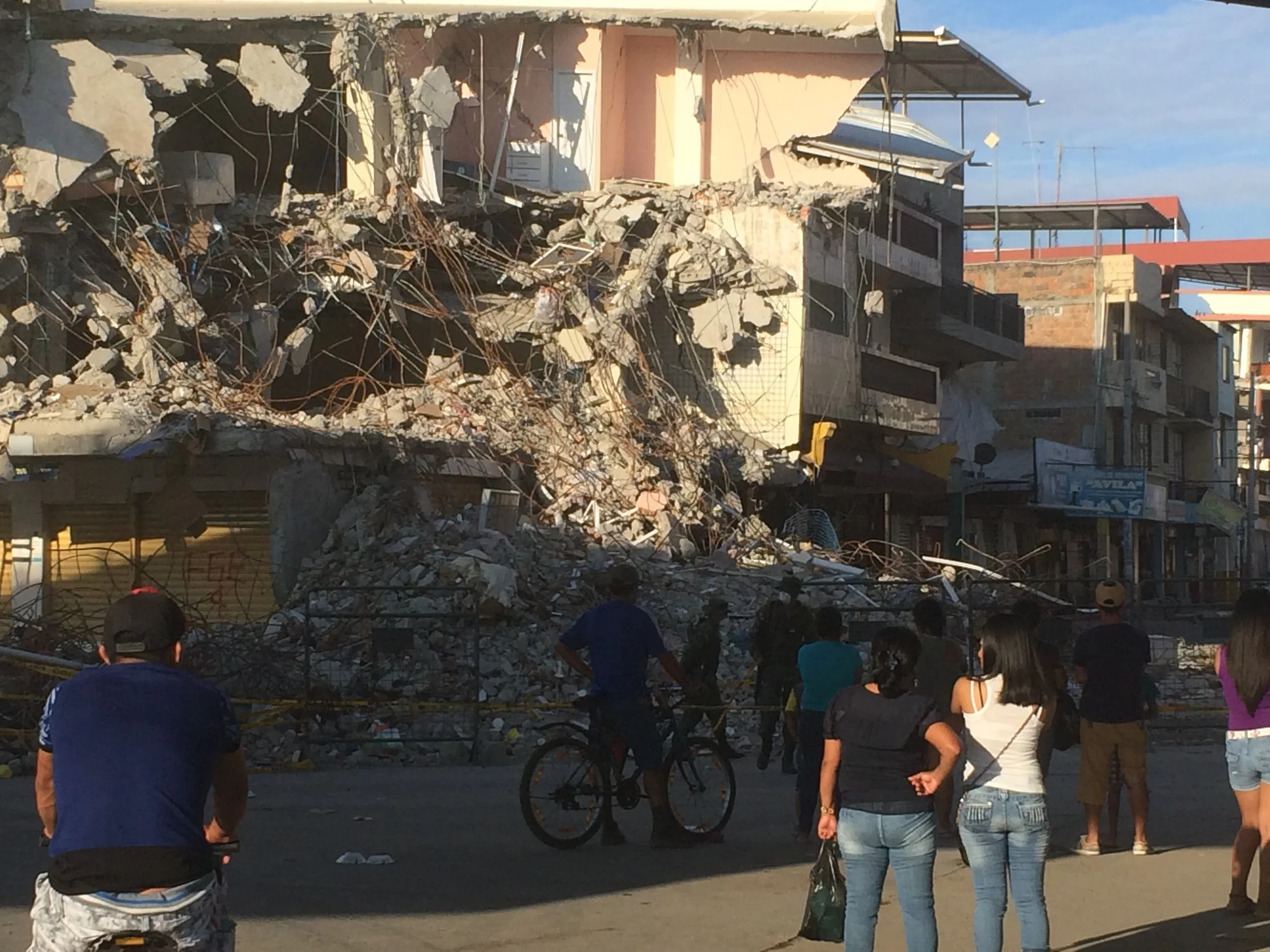
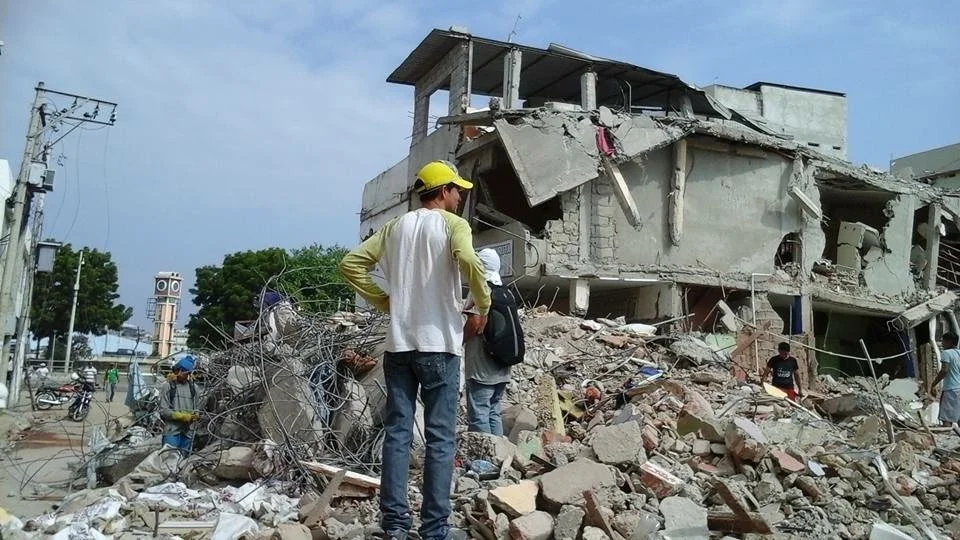
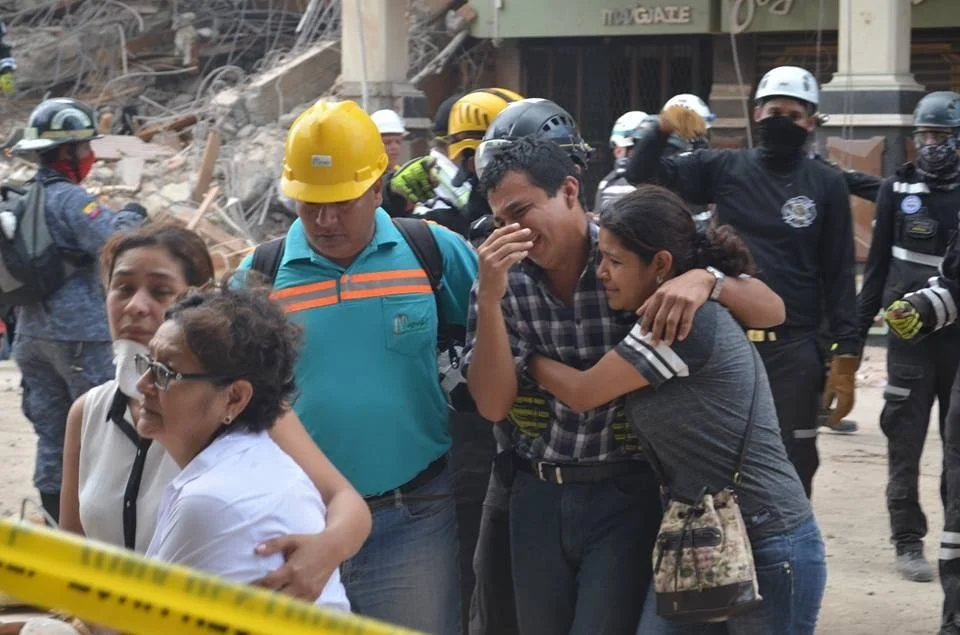
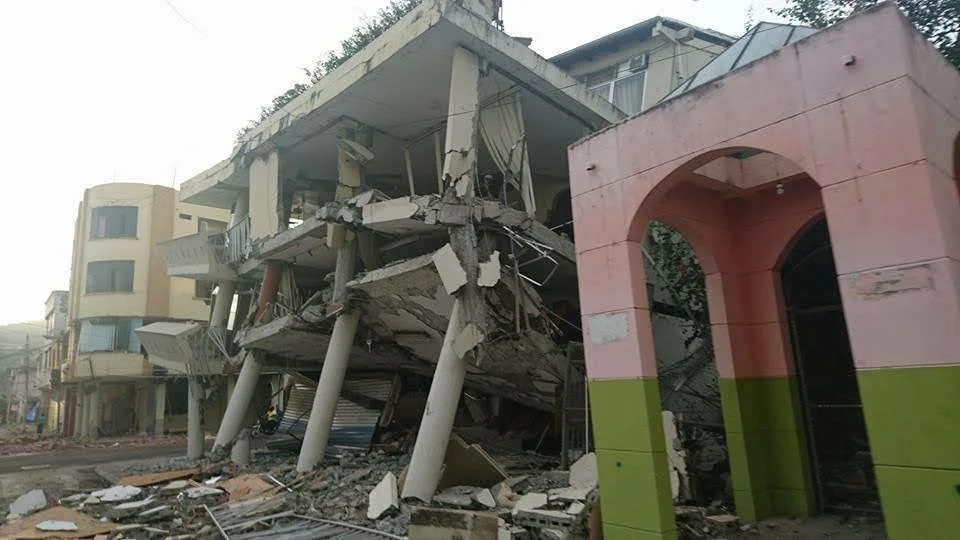
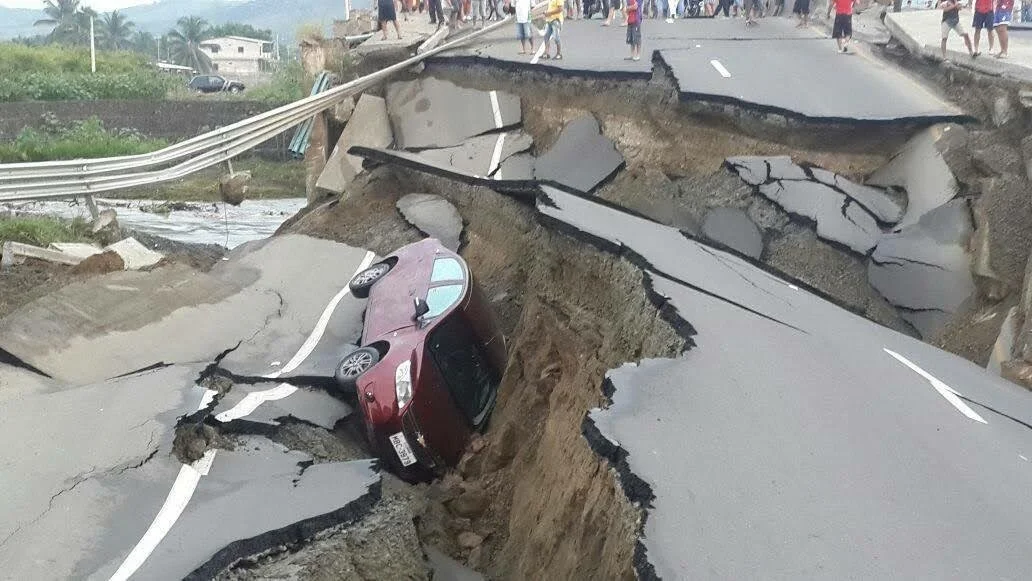
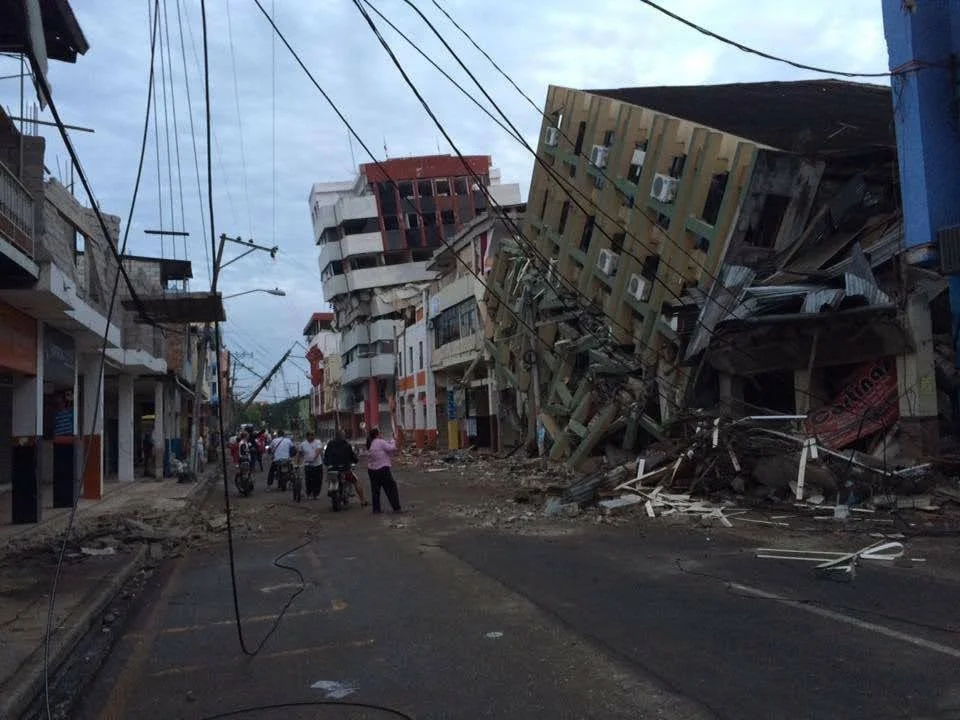
On Saturday, April 16, 2016, at 6:58 PM local time, a magnitude 7.8 earthquake struck off the coast of Ecuador near Pedernales in Manabí province. By the time the aftershocks began counting in the thousands, 676 people had been killed, more than 16,600 injured, an estimated 80,000 displaced, and approximately 150,000 children directly affected across the coastal provinces. Damages would later be estimated at over $3 billion. It was the worst natural disaster Ecuador had experienced in nearly thirty years.
Project M:25 had been in Ecuador since 2012. Co-founders Bobby and Tamitha Lynch were living in Quito, in the highlands, where damage was minor. The coast was like another country. Within hours, the M:25 network — already connected to eleven local churches in the hardest-hit region through Church of God pastoral partnerships — began returning reports: cadavers in the rubble, families sleeping in the open, water systems destroyed, food running out.
The pastors in those communities had not waited for help. They were already opening their undamaged church buildings as shelters, gathering food, and moving in the kind of quiet, organized way people move when they have done hard things together for years. They needed resources. They did not need rescuing.
The first 72 hours did what disasters always do: they collapsed the distance between what we plan and what we know how to do.
The First Ten Days: Relief Through the Existing Network
Before any therapeutic model could be drafted, the immediate needs were food, water, and shelter — and the only way to deliver them at speed was through pastors already on the ground.
In the first ten days, M:25:
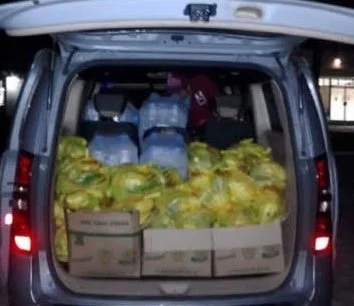
Routed emergency funds through the national Church of God office and the regional bishop's office for food, water filters, and supplies — moving aid through existing local trust rather than building parallel logistics from scratch.
Coordinated water purification systems delivered to Manta and surrounding communities, working with local pastors who knew which neighborhoods lacked a functional water source.
Sent staff to the affected zones to verify needs in person before issuing additional appeals — a practice that became standard in every subsequent M:25 disaster response.
This was relief, executed through partnership — not yet trauma-informed care. But it positioned M:25 for what came next.
On April 27, Ecuador's national disaster committee formally appointed Tamitha Lynch as Director of Disaster Relief for Children, Region II — the most-affected coastal region. The appointment turned a question of resource allocation into a question of program design. Children needed more than care packages. They needed a method.
The Pivot: From Care Packages to Care Methodology
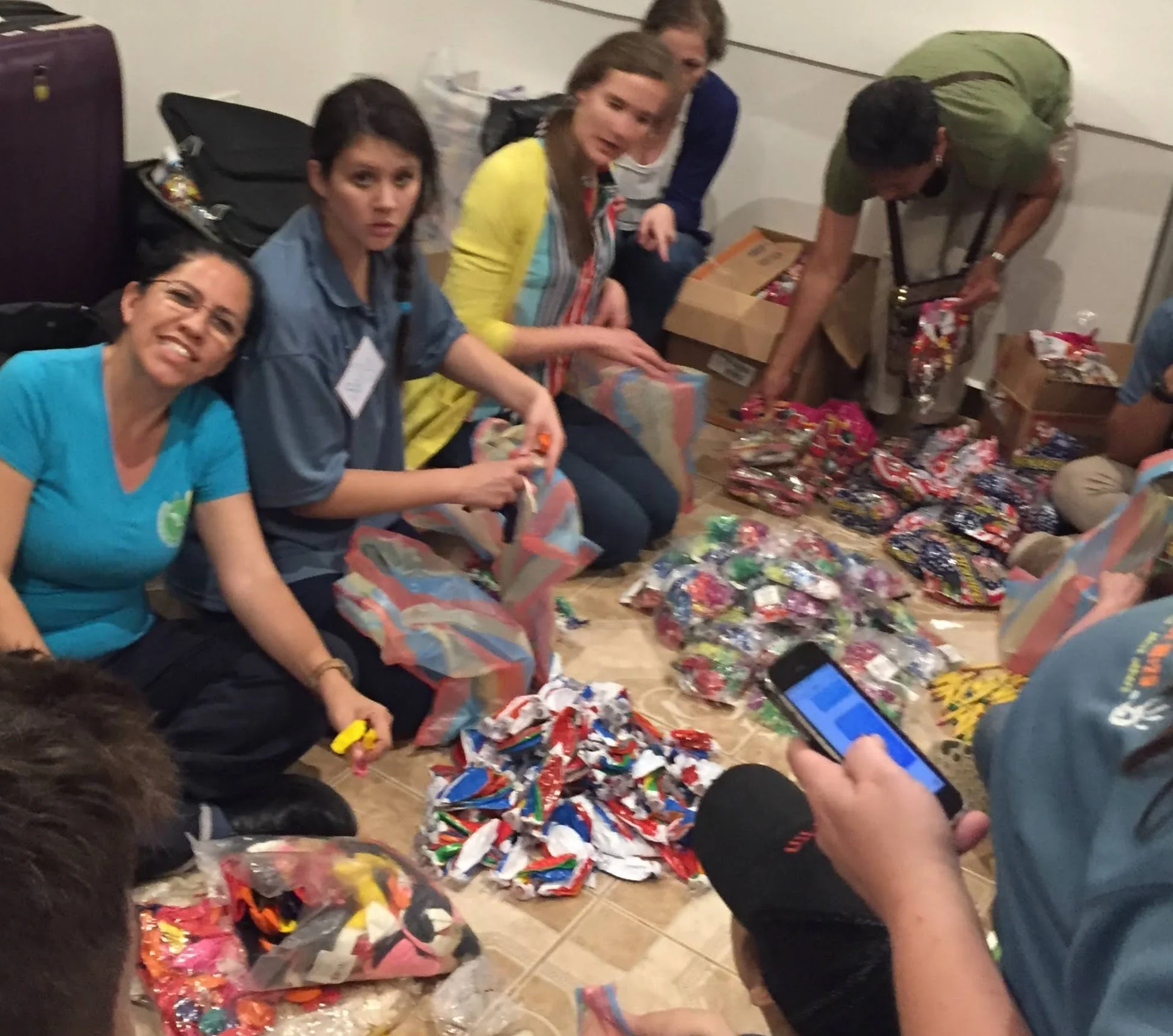
On April 26, Tamitha sent an email to Dr. Heather Quagliana, a tenured associate professor of psychology at Lee University in Cleveland, Tennessee, and an expert in childhood trauma and developmental intervention. The email was modest:
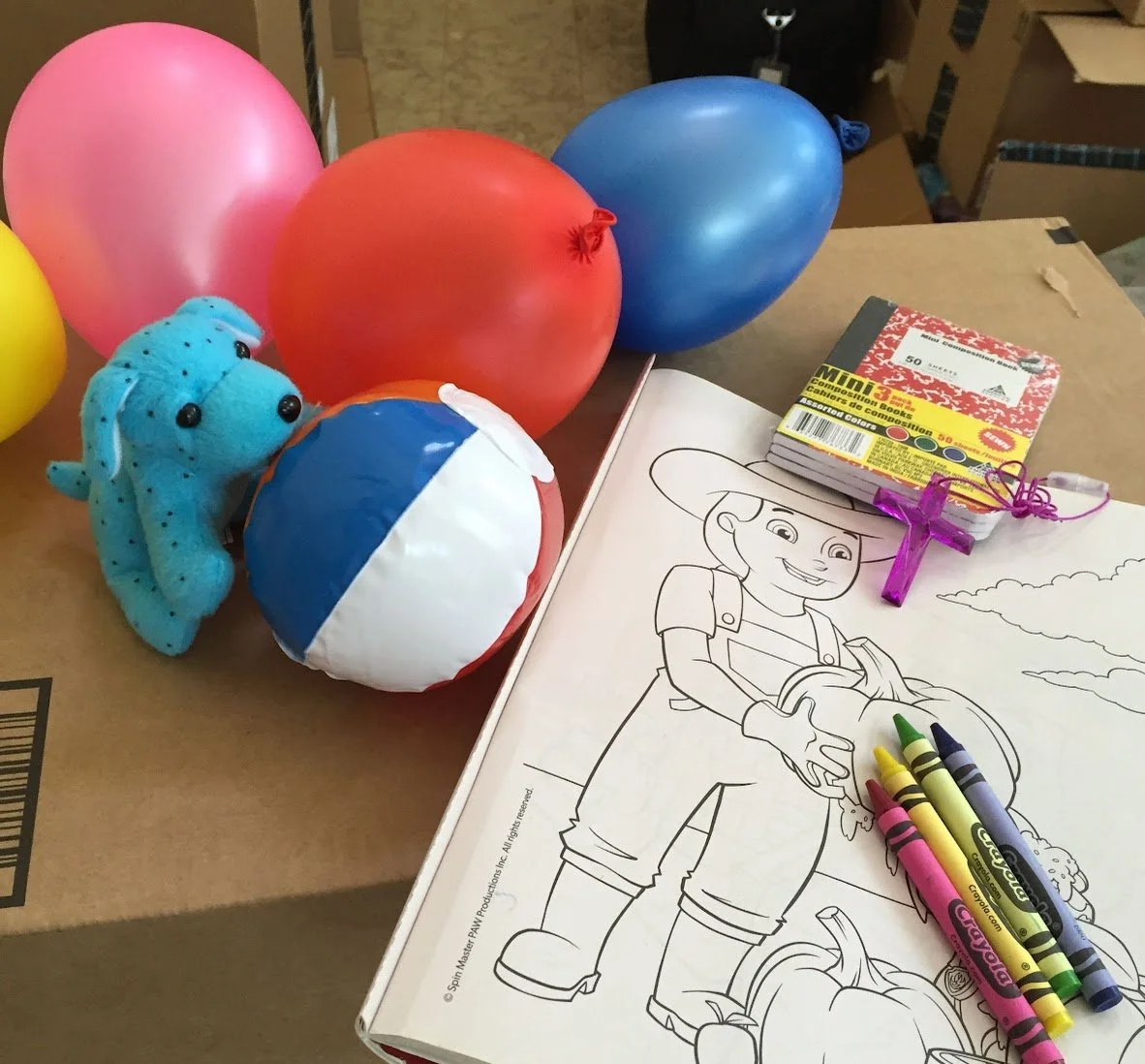
"We are thinking of sending in some care packages with coloring books about God's love, some small toys, stuffed animals, etc. Can you recommend any more specific things we could do?"
What came back was not a list. It was a methodology.
Over the next four days, the exchange between Tamitha and Heather expanded rapidly — pulling in Lee's broader Holistic Child Development faculty and the university's clinical counseling resources. By April 28, Bobby Lynch sent a one-word reply to a thread about naming the emerging initiative:
"Give Care?"
The name stuck. Within 48 hours, the team had drafted a full program design integrating three institutions:
Project M:25 Missions as field convener and resource coordinator
Lee University's Holistic Child Development and Counseling faculty as clinical and curricular authority
SEMISUD’s HCD program in Quito as the Ecuadorian academic delivery partner — supplying current students and graduates as trained field practitioners
This was the first formal articulation of a model M:25 has used ever since: outside expertise + local academic partner + on-the-ground pastoral network, with M:25 sitting in the middle as the connector and operations layer.
Designing Give Care
The Give Care program design — drafted between April 28 and April 30, 2016 — laid out a layered training architecture that read like a graduate seminar built for the field:
For the Holistic Child Development students (the field practitioners):
Vicarious trauma awareness and self-protective practice
Common traumatic responses to disaster, especially in children
Bibliotherapy, play-based coping skills, and age-appropriate psychoeducation
Emotion regulation and debriefing protocols
Daily team debriefing requirements
For pastors:
Trauma psychoeducation and the specific shape of disaster trauma
Spiritual and theological responses to suffering
Recognizing children who needed referral for higher-level care
The pastor's own self-care and social support
For schoolteachers:
Trauma-informed classroom practice without becoming a therapist
Art-based and play-based ways to embed emotional regulation into the existing curriculum
Daily devotions adapted to address traumatic impact
Knowing when to refer and how
For the children themselves:
Story time and bibliotherapy
Drawing the image of God — a foundational opening activity
Naming and locating emotions
Building a "safe place" through guided visualization
Future safety planning
Grief and memorial work for those who have lost loved ones
This was trauma-informed care, contextualized to a faith community, in field-deliverable form. It is the direct lineage of every children's curriculum M:25 has produced since.
Deployment: Manta, May 13–16 and May 20–23, 2016
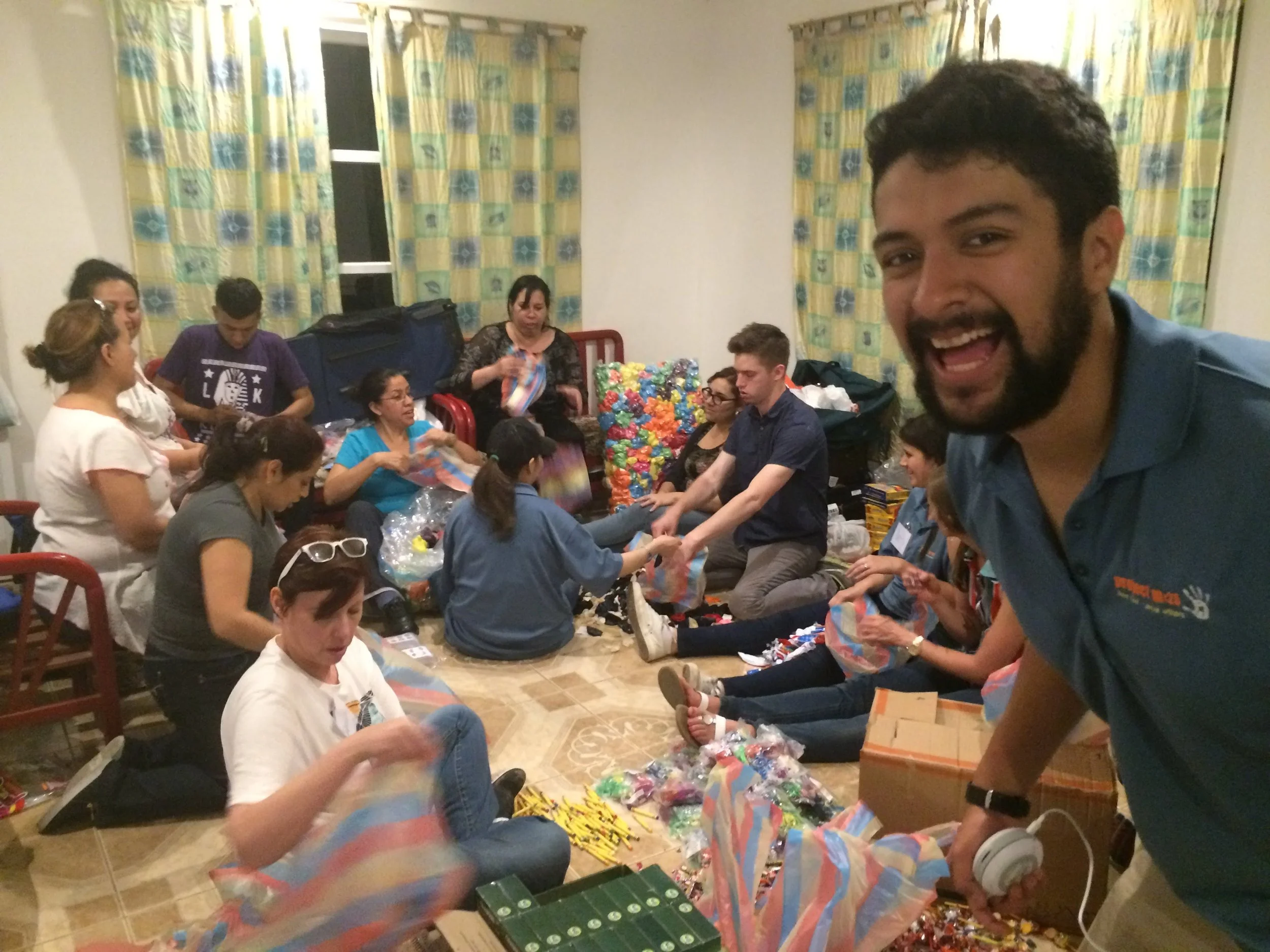
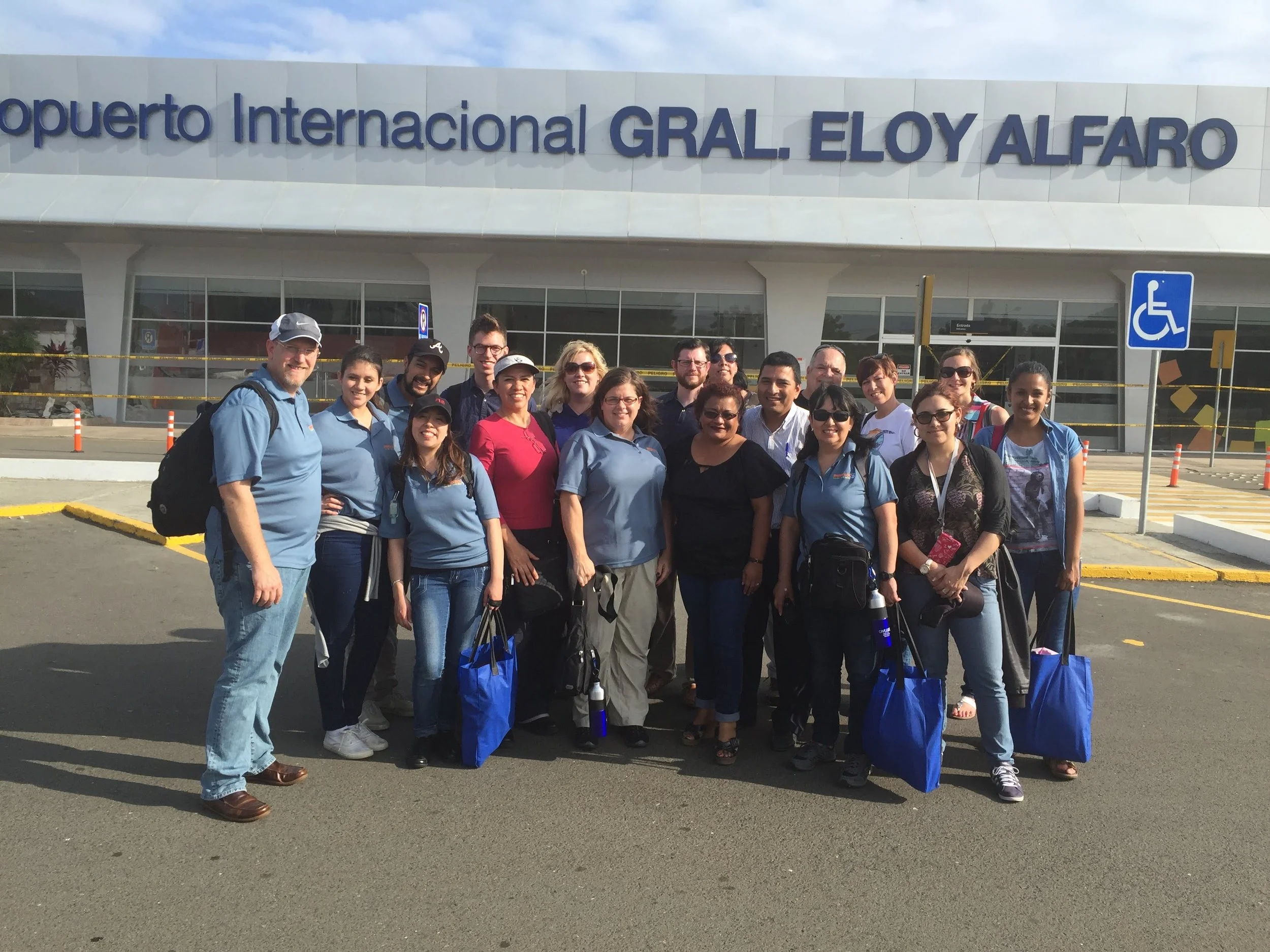
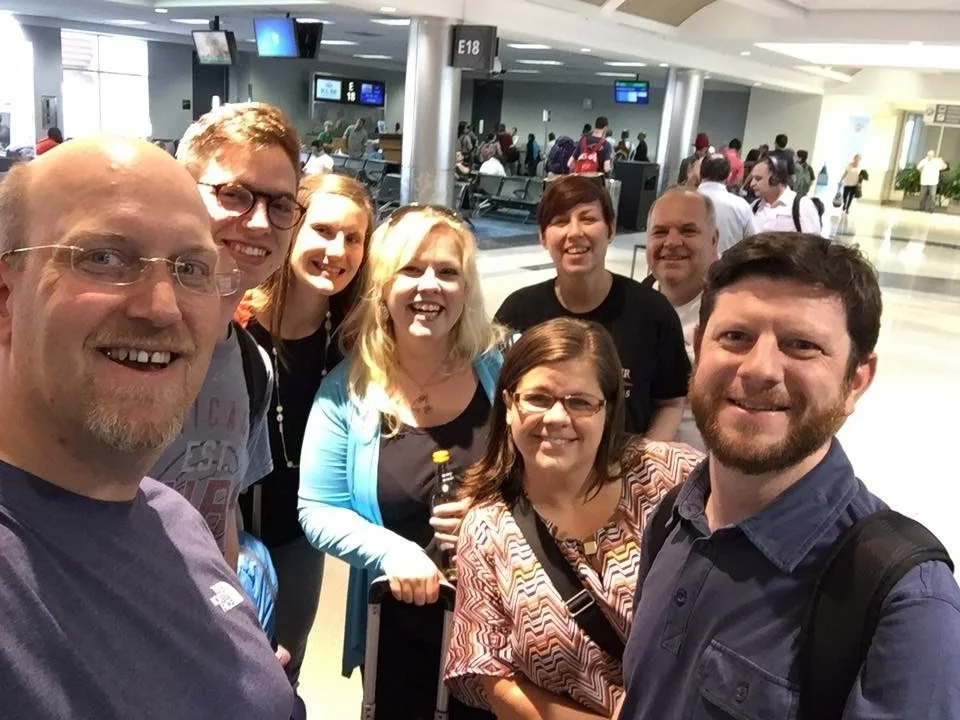
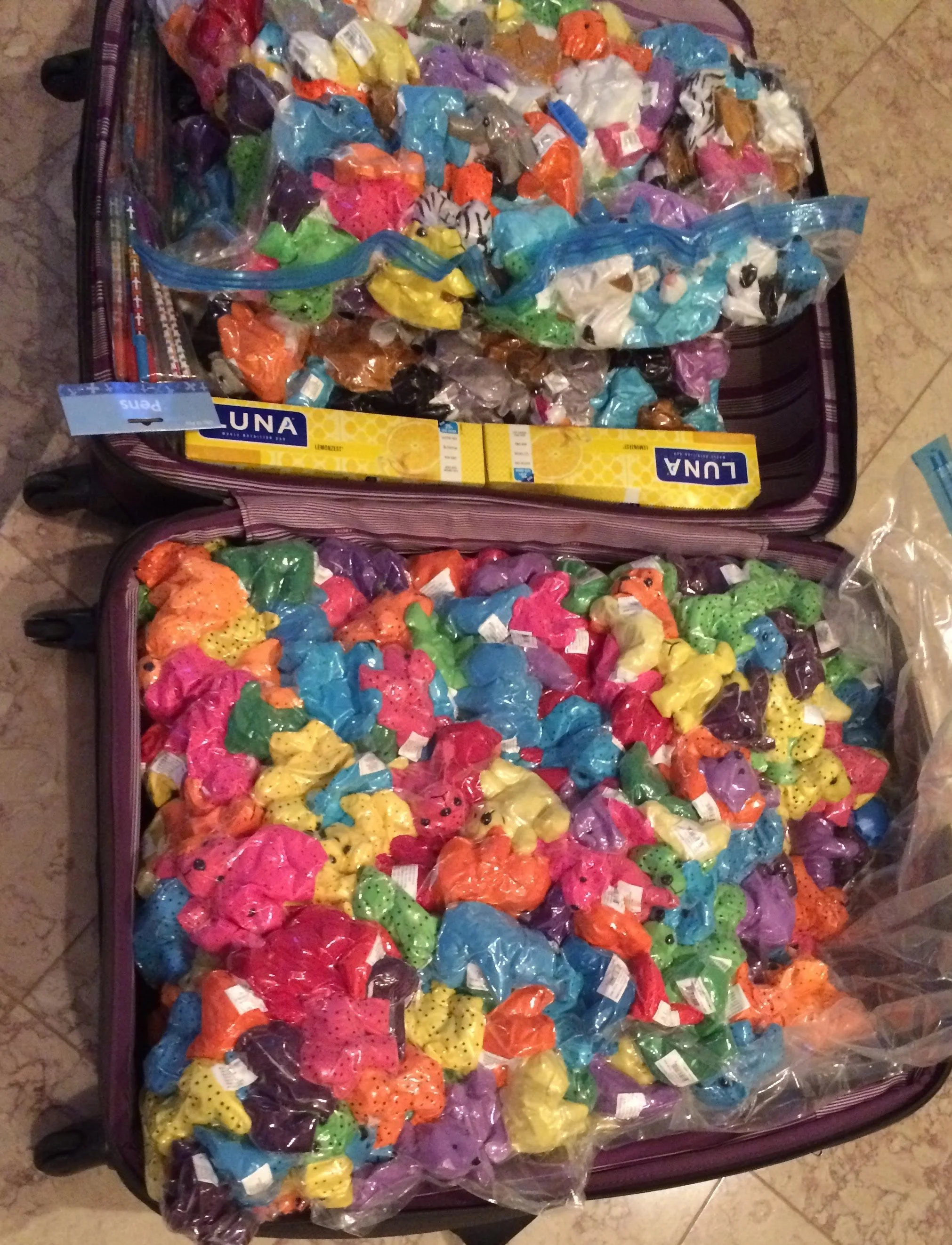
A small Lee University team — led by Dr. Heather Quagliana, joined by Lee colleagues Christy Wyatt (Lee Early Learning Center administrator and Holistic Child Development graduate, whose master's thesis was on school curriculum development after disaster) and Kyle Mitchell (Lee psychology graduate and Heather's former teaching assistant) — flew to Ecuador in mid-May. They brought seven suitcases of supplies, a 40-pageDisaster and Trauma Response for Pastors Handbook, a Sunday school curriculum, and a six-week trauma-focused school curriculum for ages 3–16 — much of it written specifically for this deployment.
The Friday-evening pre-deployment training at SEMISUD prepared 20 HCD students to function as field practitioners. The next morning, the full team flew to Manta.
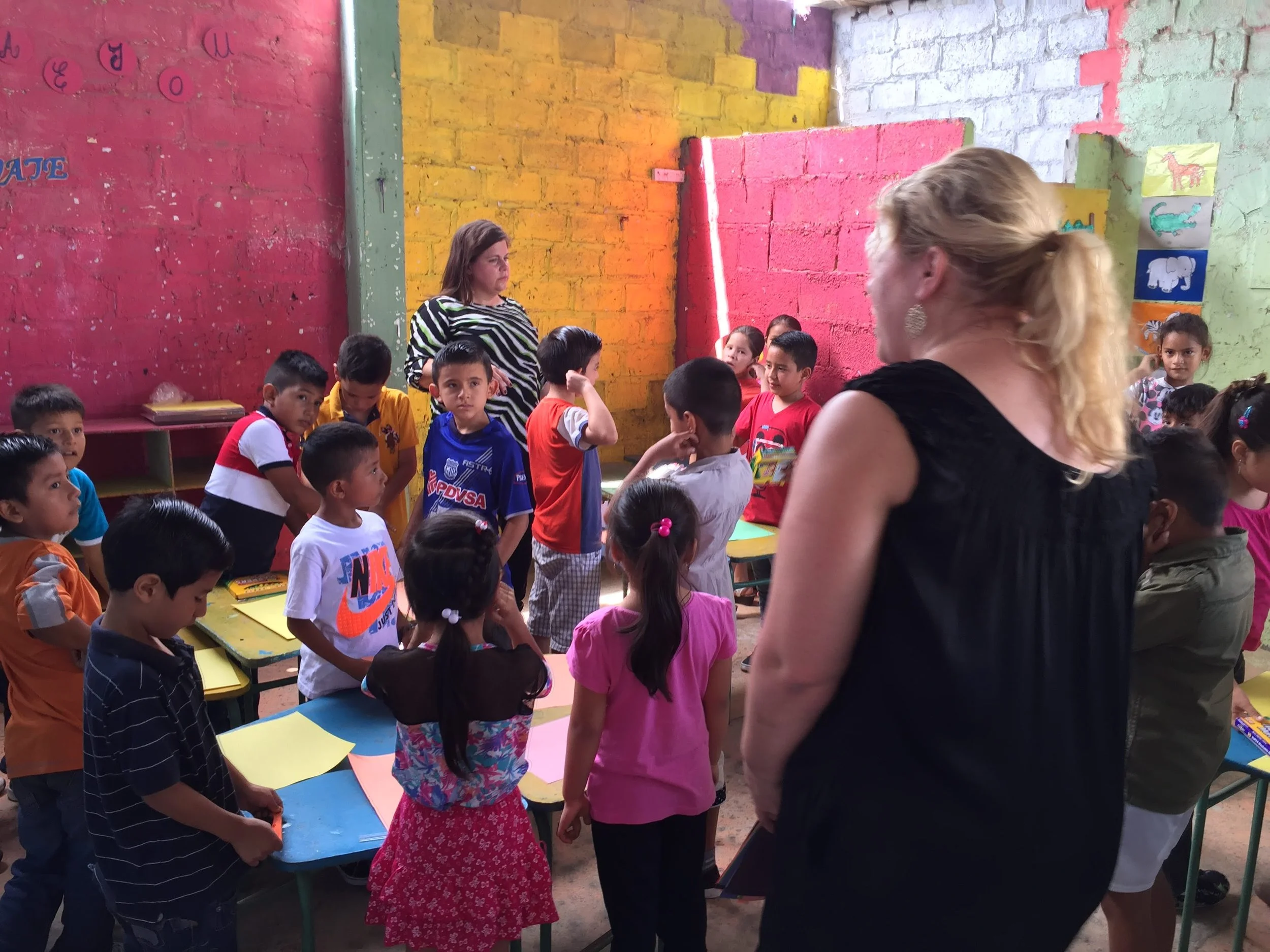
The first training session in Manta was scheduled for eleven pastors. One hundred and fifty people came — pastors, school teachers, church leaders, community leaders. People hungry for tools. The training ran long in the heat and humidity. No one left early.
Over the two deployment weekends, the team:
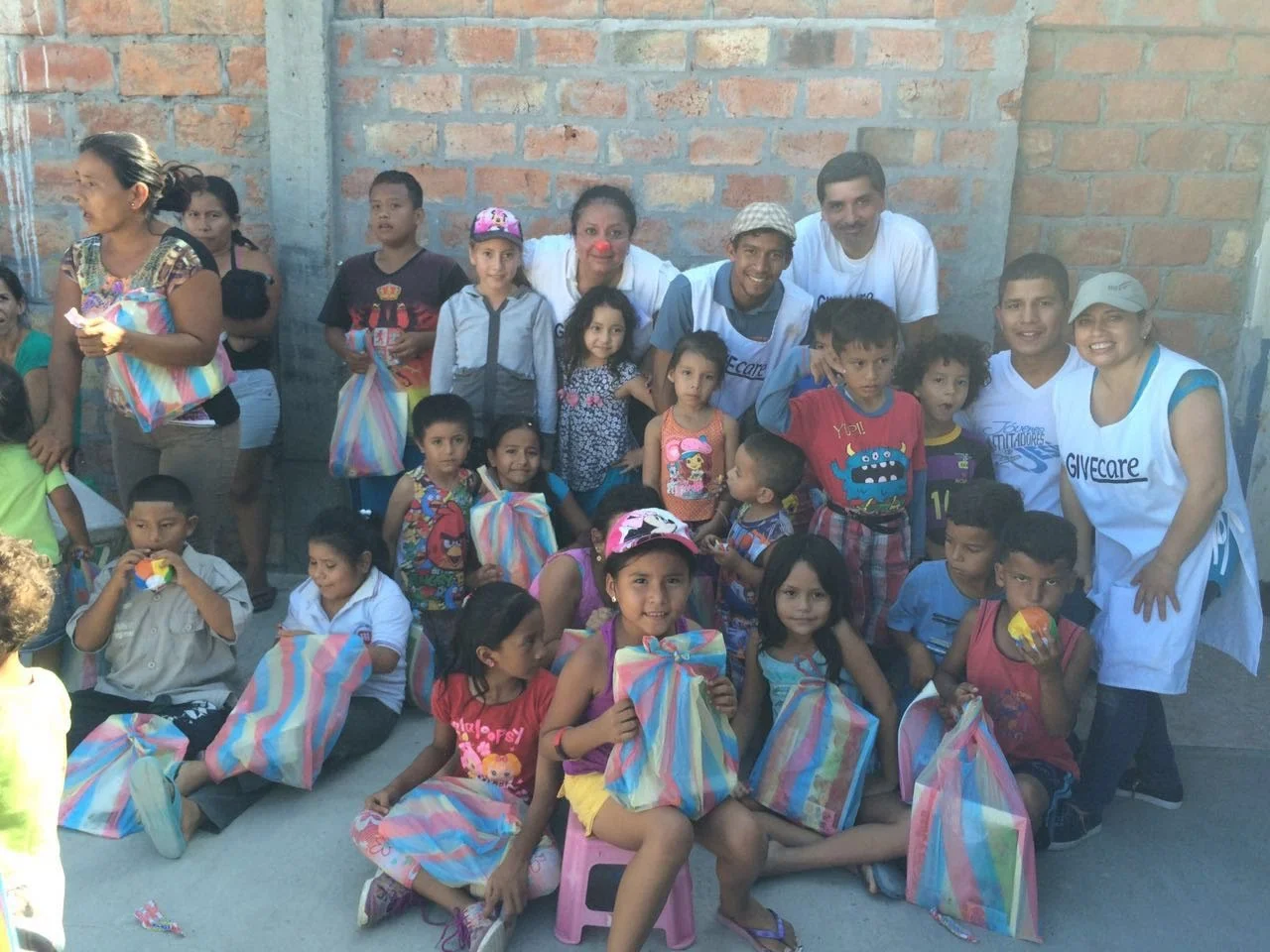
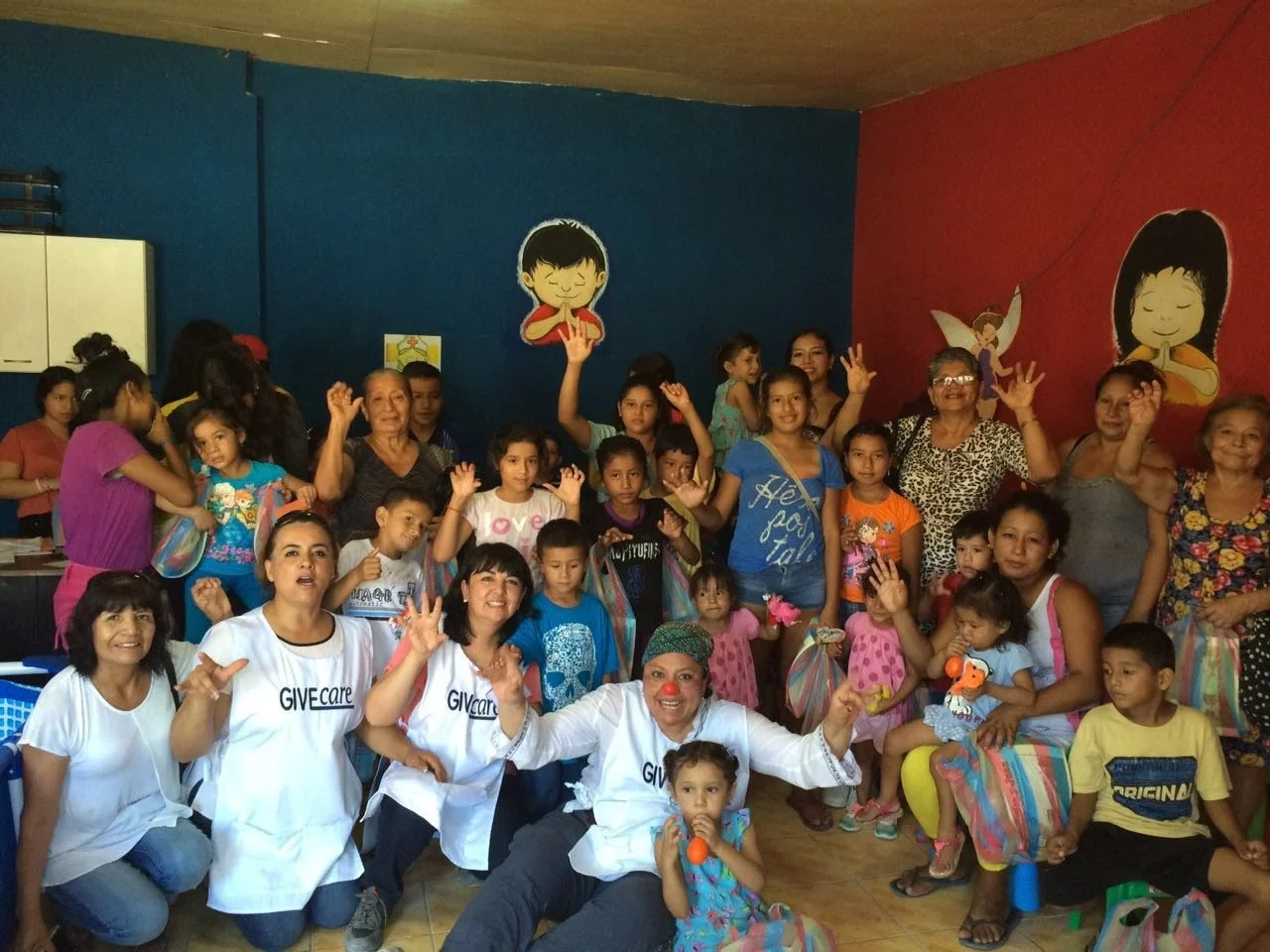
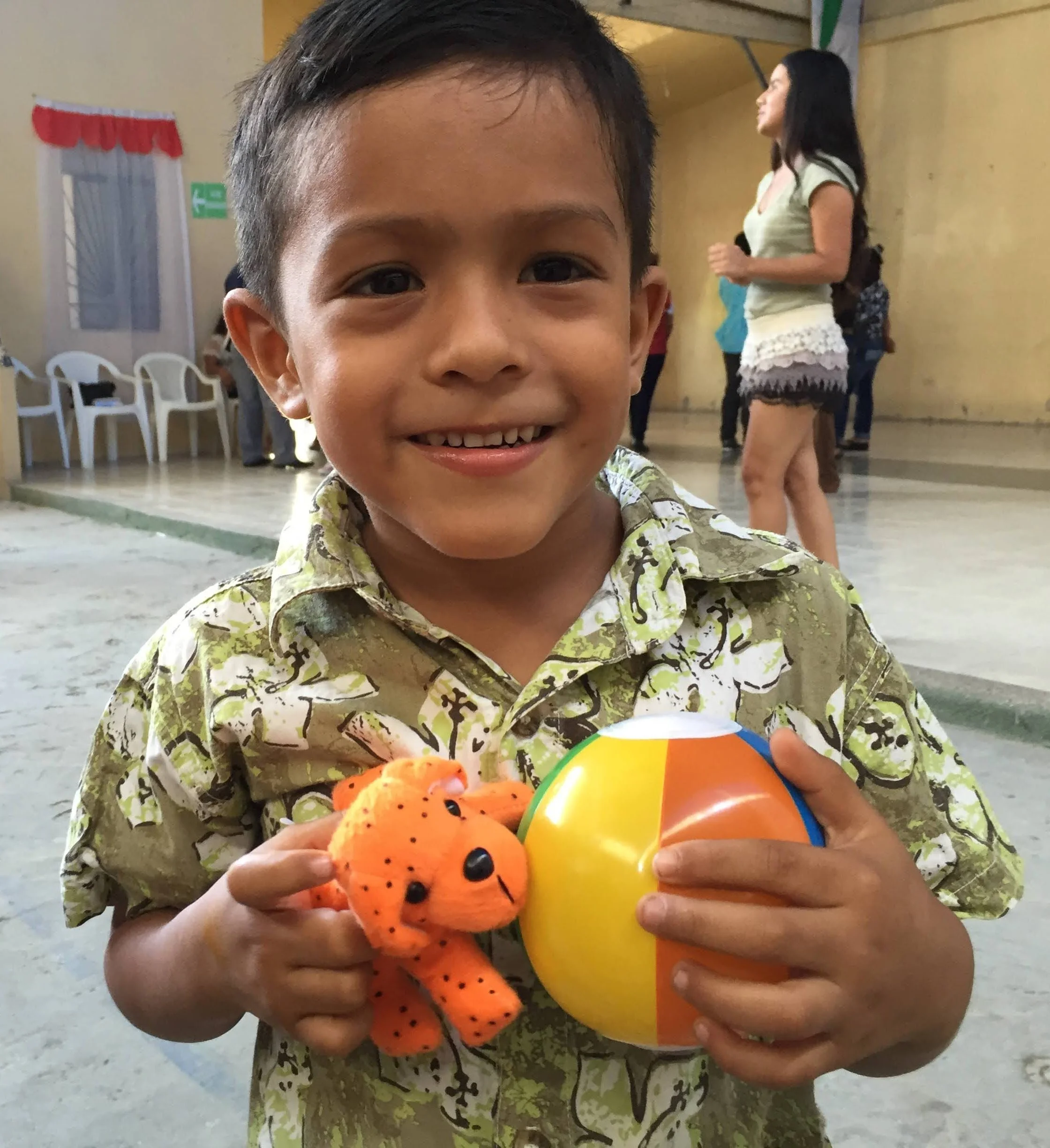
Distributed 2,000 trauma care packages, each one designed with developmental and therapeutic intent — not as comfort items, but as carriers for the coping practices the children were being taught.
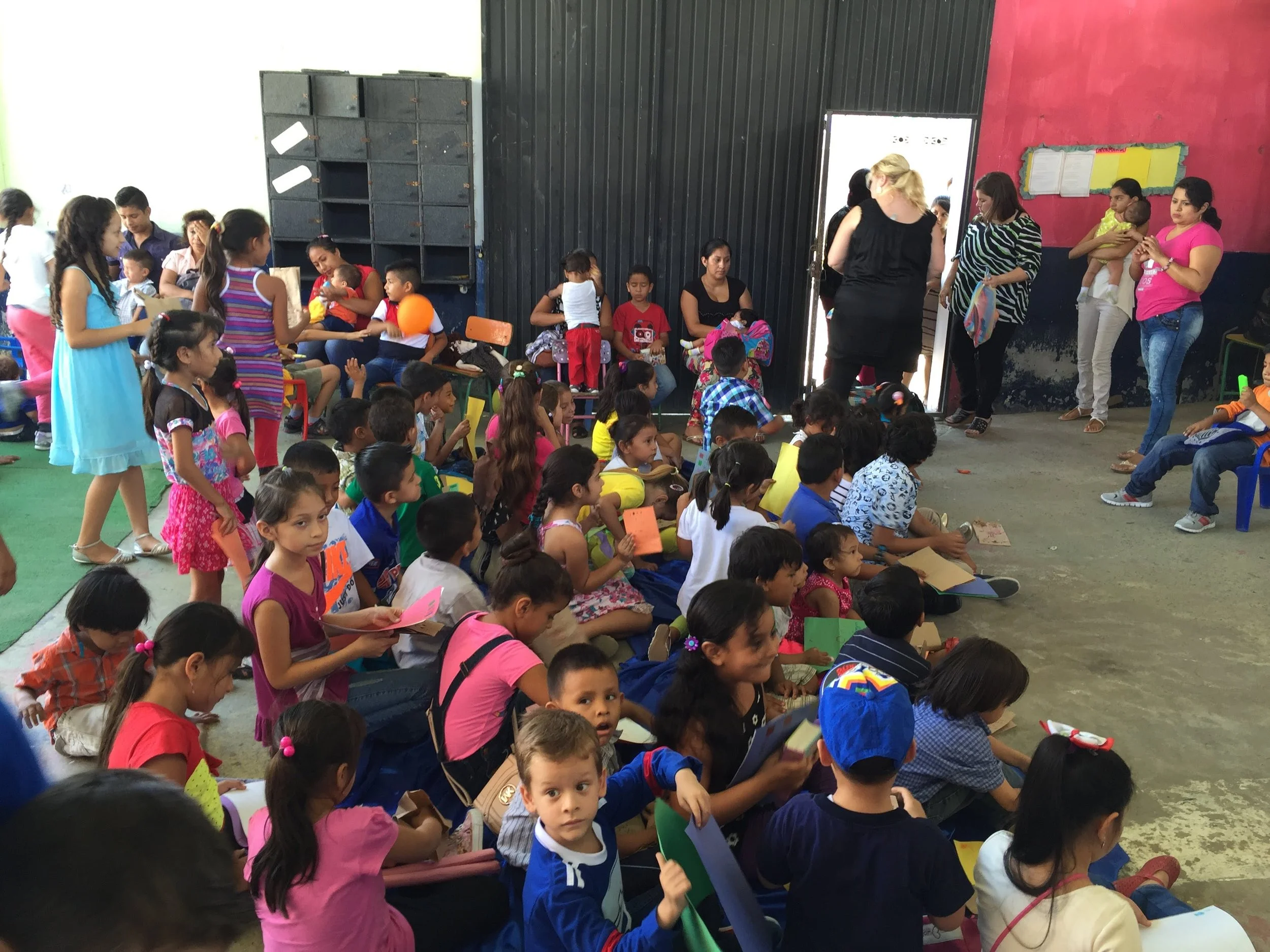
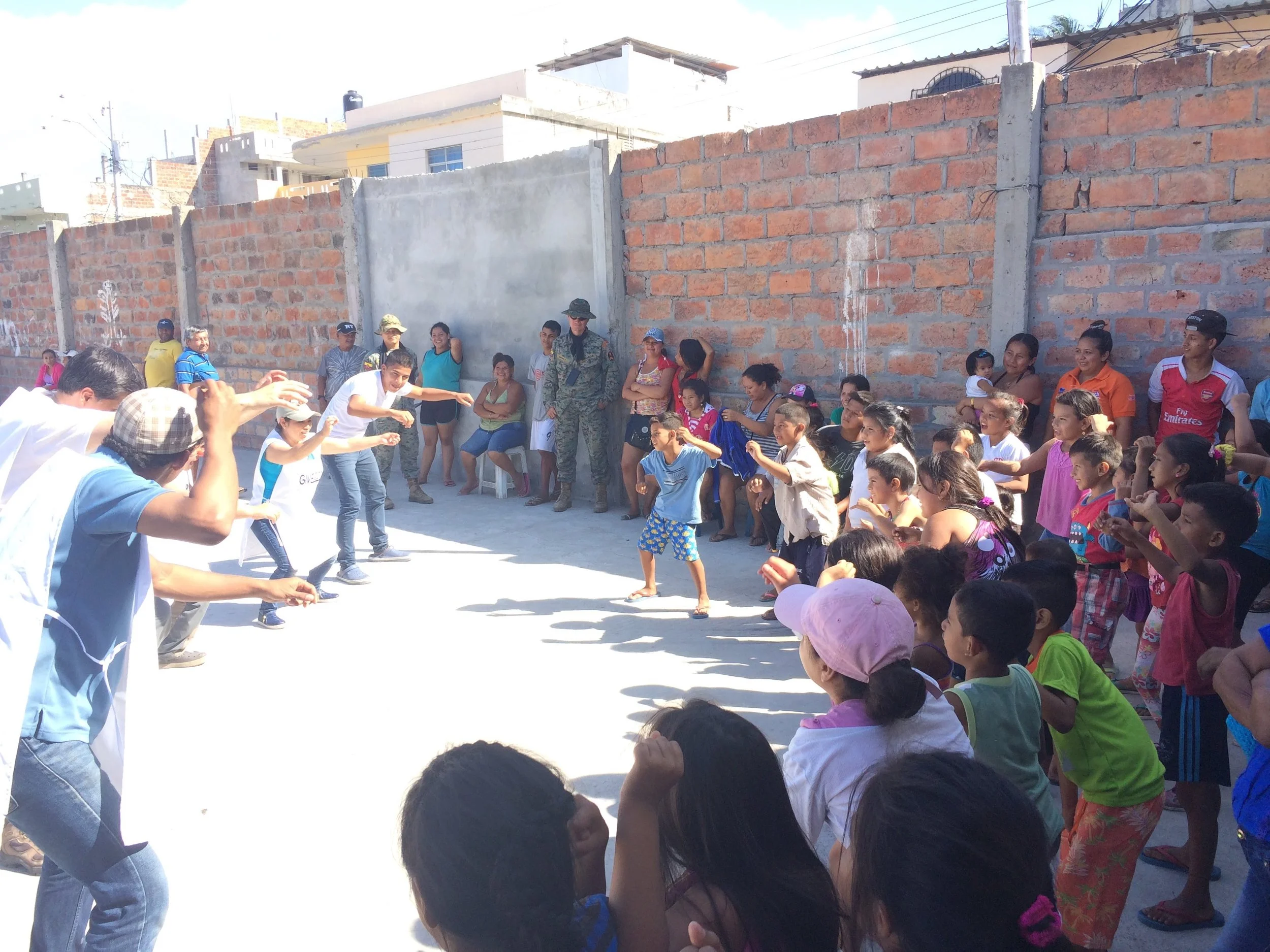
Worked directly with approximately 500 children in Sunday-school settings and classroom environments across five churches and a Church of God school of 250 students.
Held four disaster-response debriefing sessions for roughly 100 attendees.
Trained the 20 HCD students to continue follow-up work with one or two churches each over the next year — turning a deployment into a sustained presence.
It is worth pausing on that last point. When the visiting team flew home, the work did not. Twenty Ecuadorian students — each one trained, debriefed, and assigned a small handful of churches — continued the trauma care for the rest of the year. That is what makes the deployment count.
The Worry Doll
The trauma care packages contained a small Guatemalan-tradition object — a worry doll — paired with explicit instruction in how a child could use it as a coping anchor at night. Worry dolls are not therapeutic equipment. They are a transitional object: something a child can hold to externalize anxious thoughts and re-establish a sense of agency at sleep onset.
A mother from one of the partner churches returned to the team the next day in tears. Her daughter, who had been unable to sleep in her own bed since the earthquake, had used the worry doll, settled herself when nightmares woke her, and slept the full night for the first time since April 16.
It is a small data point. It is also exactly what trauma-informed children's work is designed to produce — and it happened in the first 24 hours of the first deployment. Healing rarely arrives in dramatic moments. Most often, it arrives on nights when a child finally sleeps.
The Receipts
By June 2016, the Manta deployment had been documented in the regional press. The Chattanoogan and the Cleveland Daily Banner both ran feature stories on the Lee–M:25–SEMISUD partnership, including a formal statement from Heather Quagliana:
"Being able to train teachers and other community helpers to come alongside children in their suffering, validate their fragile emotions, and offer them play- and art-based coping tools has been one of the highlights of my career and ministry."
The Lee team member, Kyle Mitchell, wrote what became one of the most-quoted reflections of the deployment:
"We came to offer hope and practical solutions to a people who were looking for answers. What God revealed through us was simple, maybe even obvious, but it will forever impact us and the people we came in contact with."
This is the institutional record: a documented academic partnership, a published curriculum, a credentialed team, and field outcomes attested by independent press. The receipts are real.
The Lineage
The Give Care framework did not stop in Manta. It became the operating method.
The 20 HCD students returned to their assigned churches and continued the work through the year. The trauma-informed package model — a tactile carrier for a taught coping practice, delivered by a trained local helper — became the design template for every M:25 children's package built since then.
The training architecture — outside specialist + local academic partner + on-the-ground pastoral network + M:25 as connector — became the operating model that now anchors M:25's flagship campus at Agua Viva in Quito and the partner-site replication work expanding across Latin America, Africa, and Asia.
The theological-and-therapeutic integration first attempted in the Manta children's seminars — opening with prayer and an art activity, weaving Scripture and emotion regulation, taking grief seriously enough to plan for it — became the practitioner DNA inside what M:25 today articulates as the THRIVE Model™: trauma-informed, holistic, relational, identity-and-hope grounded, vitality-oriented, equipping.
And the Lee University partnership formalized in those late-April 2016 emails is, ten years later, still the academic anchor of M:25's Holistic Child Development pipeline — training the next generation of practitioners who will deploy in the next disaster, in the next country, with the same logic that Heather Quagliana and her colleagues helped name in the spring of 2016.
What the Field-School Taught
Three convictions hardened into method during that season — and they have not loosened since:
Local trust is the delivery system. Trauma-informed care fails at the point of delivery unless it is delivered by someone the family already trusts. The pastor. The schoolteacher. The neighbor who survived the same night.
Practitioners must be trained, not flown in. Outside experts add capacity; they do not replace it. Sustainability is built when the in-country practitioner can run the workshop after the visiting team flies home.
The object carries the practice. A worry doll, a coloring book, a hygiene kit — something real they can touch that reminds them of the lessons they learned. The intervention is the skill. The object is its handle.
The 2016 earthquake was not the moment M:25 started caring about children's trauma. It was the moment caring became method — and the moment a partnership with Lee University, born over a one-week email exchange, became the academic backbone of a decade of children's work."