
Things You Can Hold: What We Learned About Care After the 2016 Earthquake
Worry Dolls and Water Filters
A reflection on what we learned about care, ten years after the 2016 earthquake.
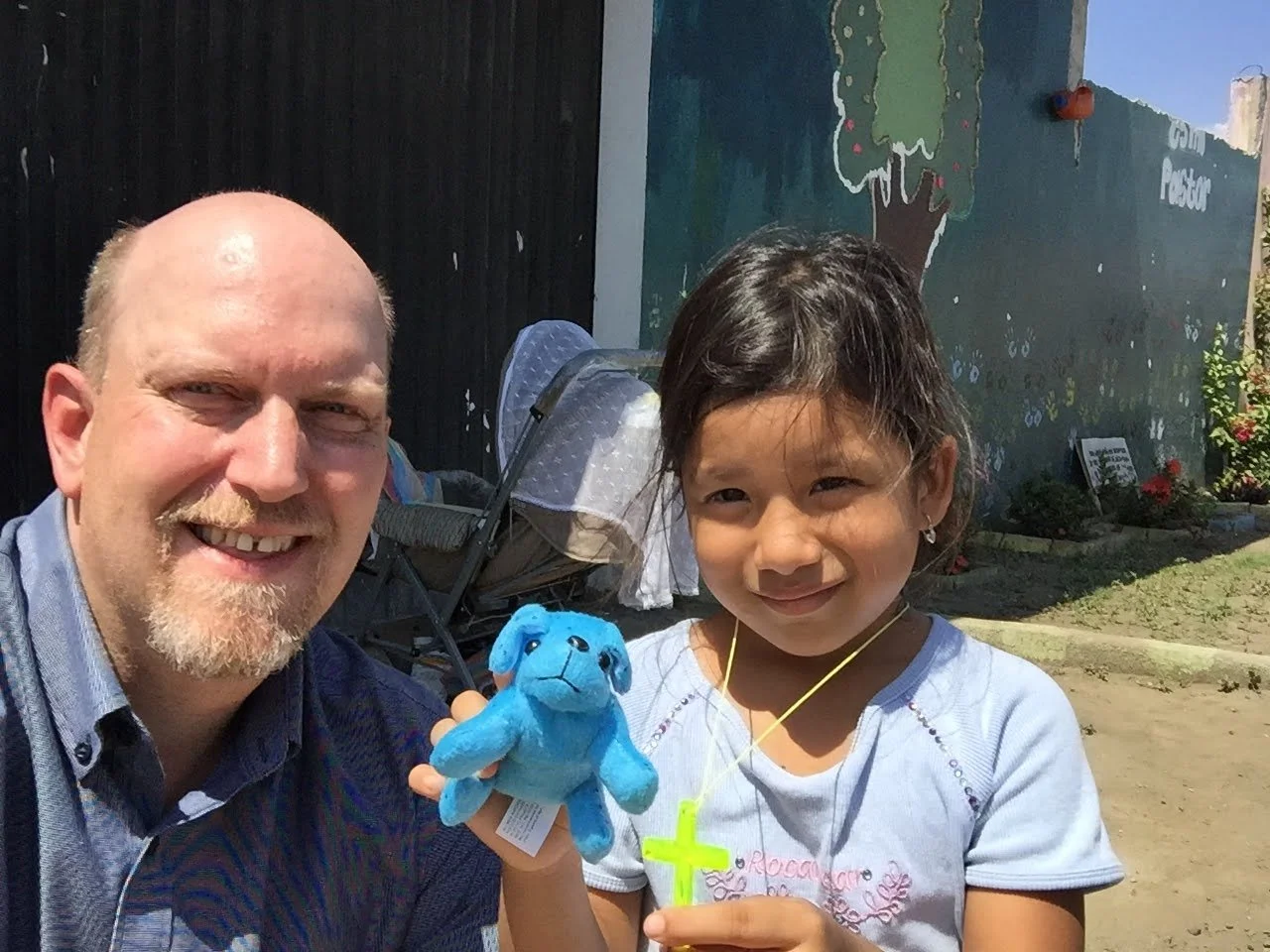
She came back to us the next morning, in tears.
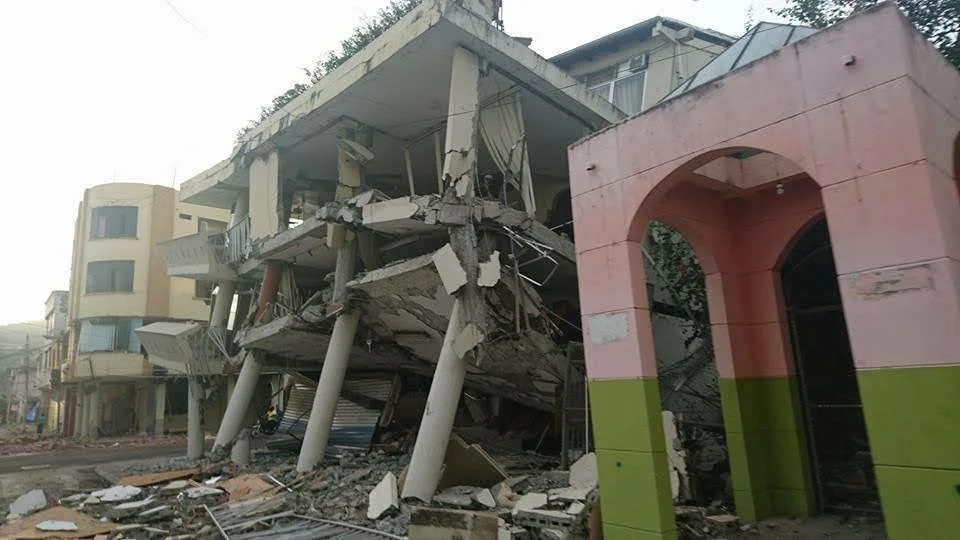
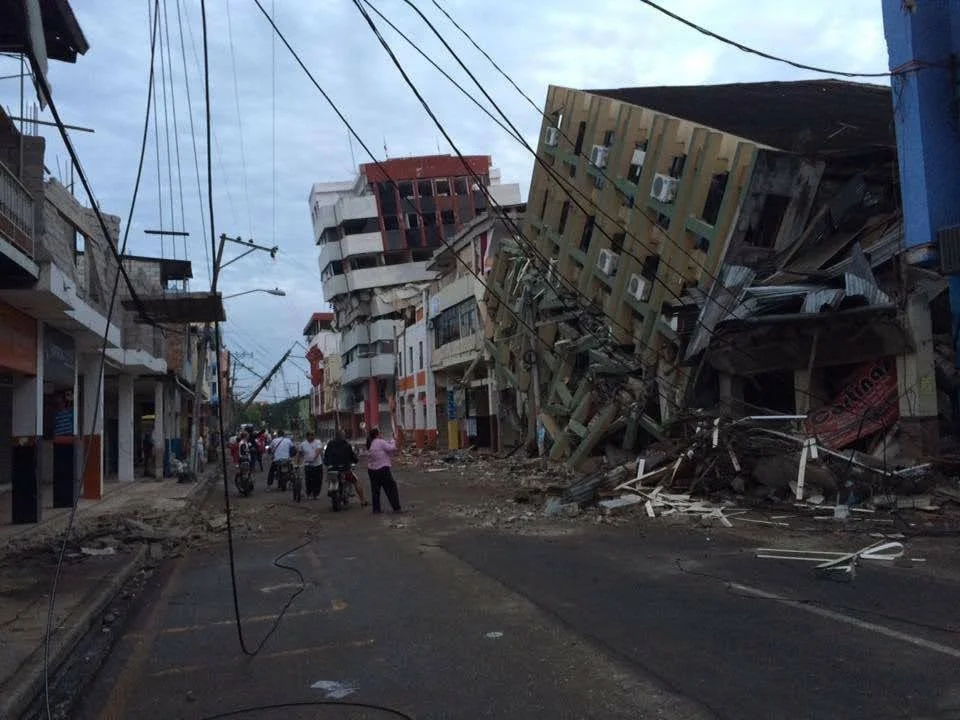
Her daughter had not slept in her own bed since the earthquake. The bad dreams kept waking her — the wind, the floor, the way the world had moved without warning. For weeks, the mother had been sleeping on the floor of her child's room or holding the child in her own bed just to rest.
The day before, our team had given her daughter a worry doll. A small thing the team had made by hand — a wooden clothespin, a scrap of fabric, a face drawn in pen. We had shown her how to use it — say what is keeping you awake, set the doll aside, and try to sleep — and she had taken it without much expression. It was hot. The line was long. A thousand small hands were waiting for stuffed animals and balloons, and we did not know what would land and what wouldn't.
The doll landed.
The little girl slept the whole night. In her own bed. For the first time since April 16, 2016.
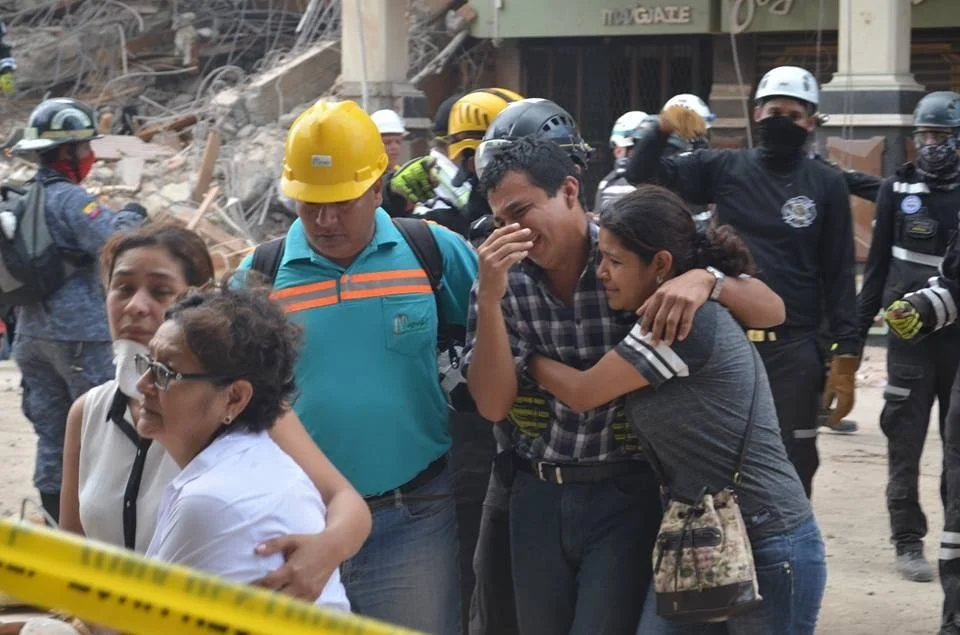
The mother stood in front of us the next morning and could not get the words out for crying.
What was it about a small handmade thing?
We have asked ourselves that question for ten years.
It was not the doll. The doll was a wooden clothespin with a face drawn in pen, wrapped in a scrap of fabric, handmade the week before the team flew. It cost almost nothing. It is not, in any clinical sense, a therapeutic device.
But it was something the child could hold.
That turns out to be everything.
When a child has lived through a thing too large for words — a building falling, a sibling lost, a night the ground would not stop moving — adult words bounce off. Are you doing okay? Do you want to talk about it? Is there anything you'd like to share? These are kind questions. They are also useless to a seven-year-old at 2 a.m. when the wind picks up, and the room feels like it is breathing.
What helps, at 2 a.m., is a thing in the hand—a small weight on the pillow. A taught practice — say what scares you, set it down, try to sleep — that gives a small child something to do with the fear.
The intervention is the practice. The doll is the practice's handle.
It took us a long time to learn that. Then it took us about an hour, one humid evening in Manta, to see it work.
The suitcase
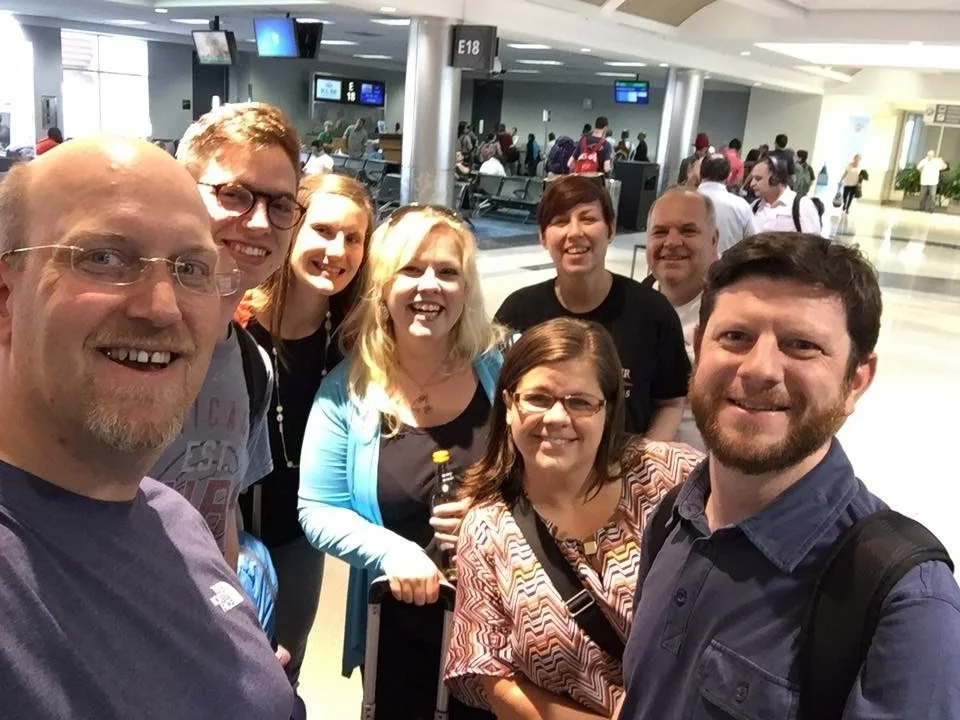
A week before the deployment, our team posted a photo of a packed suitcase. The caption read:
"2,000 beach balls, 2,000 cross necklaces, 200 stuffed animals, and 1,000 balloons — all in 1 suitcase."
There were six more suitcases to go.
Inside those suitcases were items chosen, each one, by a team of psychologists, educators, and pastors working overlapping email threads at all hours of the night. The list was not casual. Every item had a job.
The coloring book was illustrated specifically for children processing an earthquake — page by page, a story they could color through—a way to put shapes and words around what happened.
The journal gave a child a place to draw the feelings she could not yet say.
The stuffed bear was a transitional object — a soft thing she could hold while she learned to sit with fear without running from it.
The balloons were, for the moment, what everyone needed to breathe again. You cannot do trauma work for three hours straight with children. You stop, you release a balloon, you laugh, you keep going.
The cross necklace was for the child to look down at her own chest and remember she belonged to Someone.
The worry doll — a clothespin, a scrap of fabric, a face drawn in pen — was for the night. Something small enough for a small hand. Something a child could practice setting down before sleep.
The stickers — Spanish Jesus Loves Me stickers, 24 sheets of them — were for the moments in between, when a child needed to see something cheerful stuck to her notebook on a Tuesday morning.
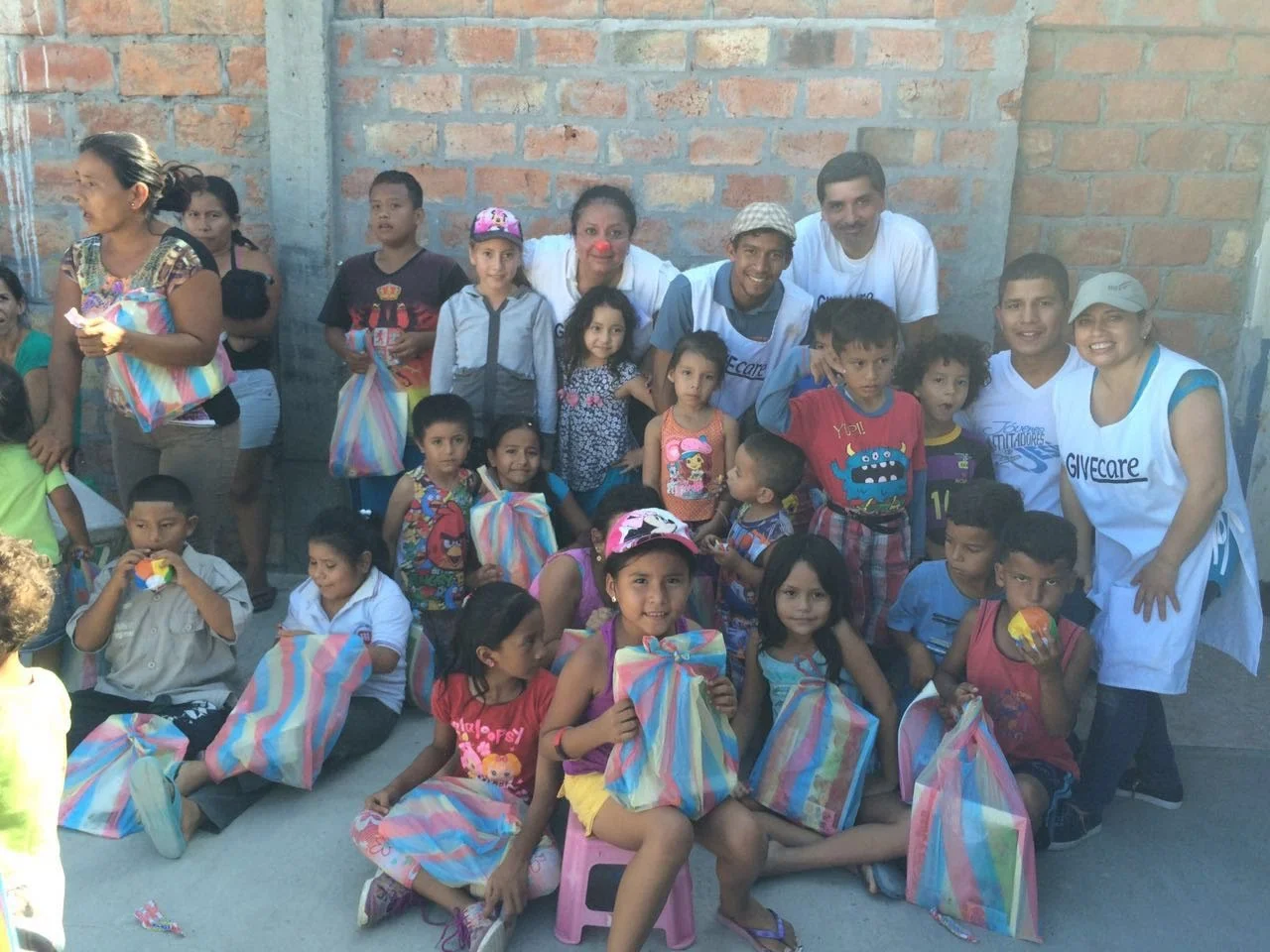
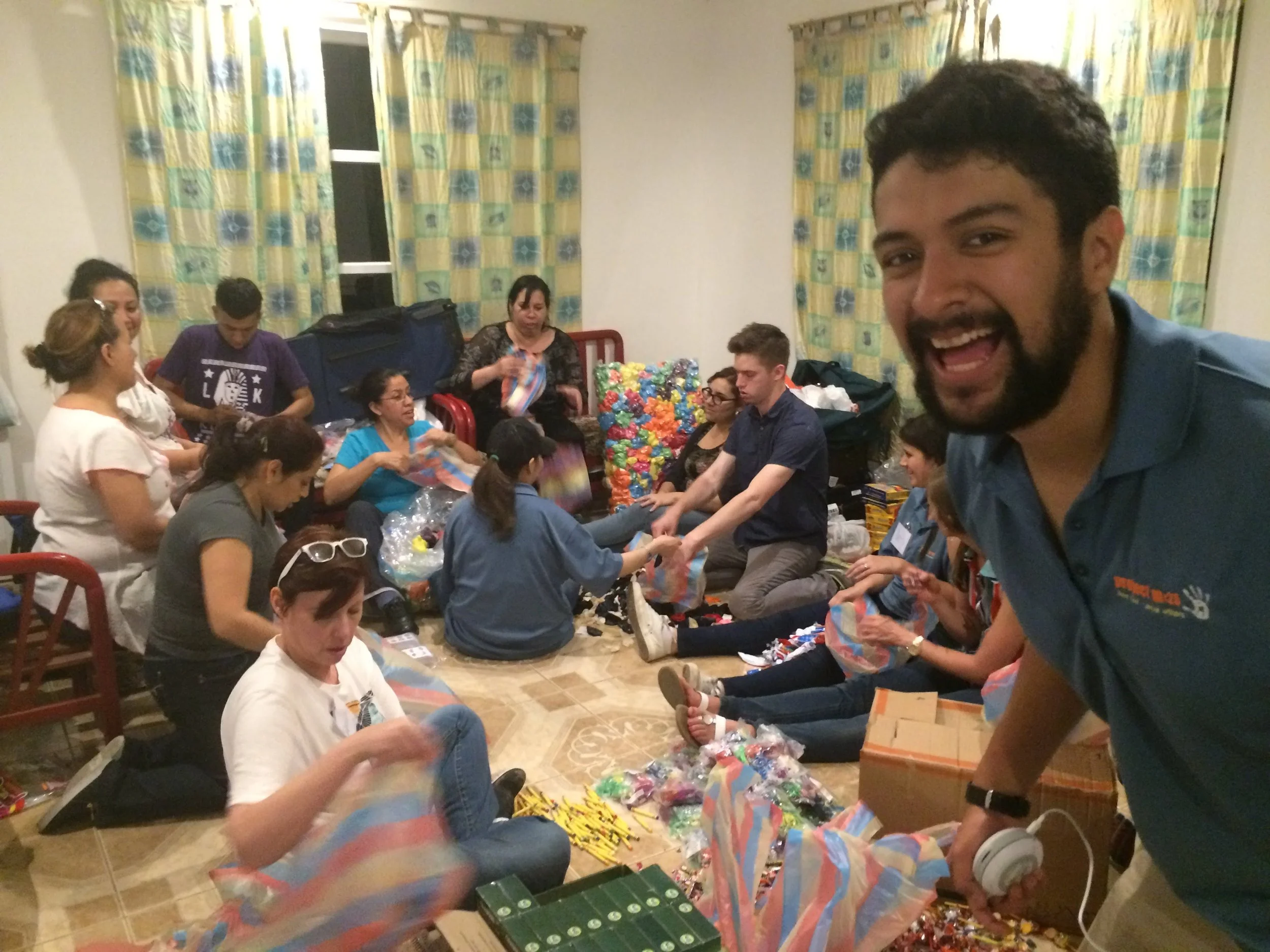
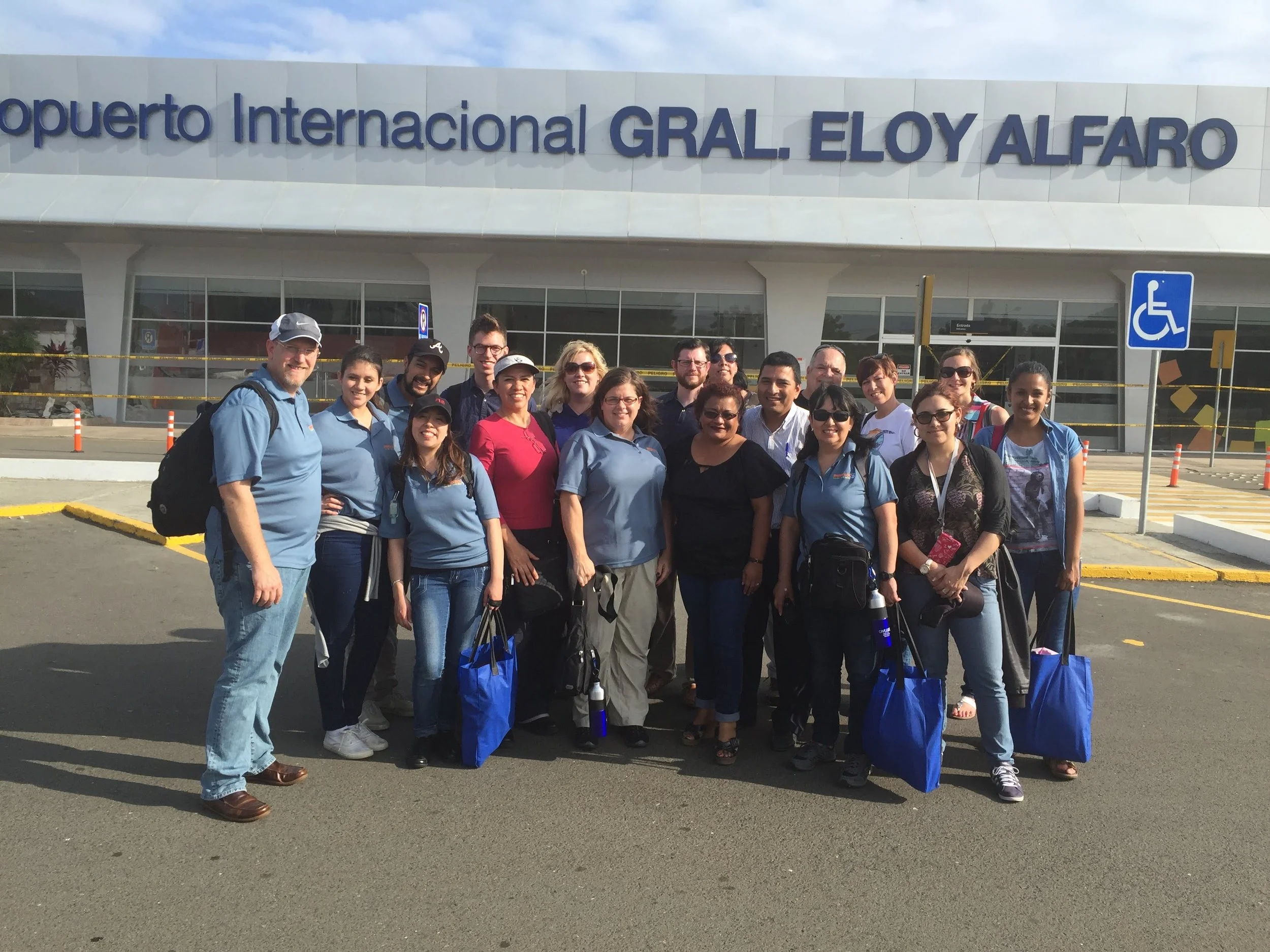
Two thousand packages were assembled by hand, in Quito, by a team that included American faculty from Lee University, Ecuadorian seminary students from SEMISUD, M:25 staff, and visiting volunteers. Each package took about ten minutes to fill. Each one was identical. Each one was for a specific child.
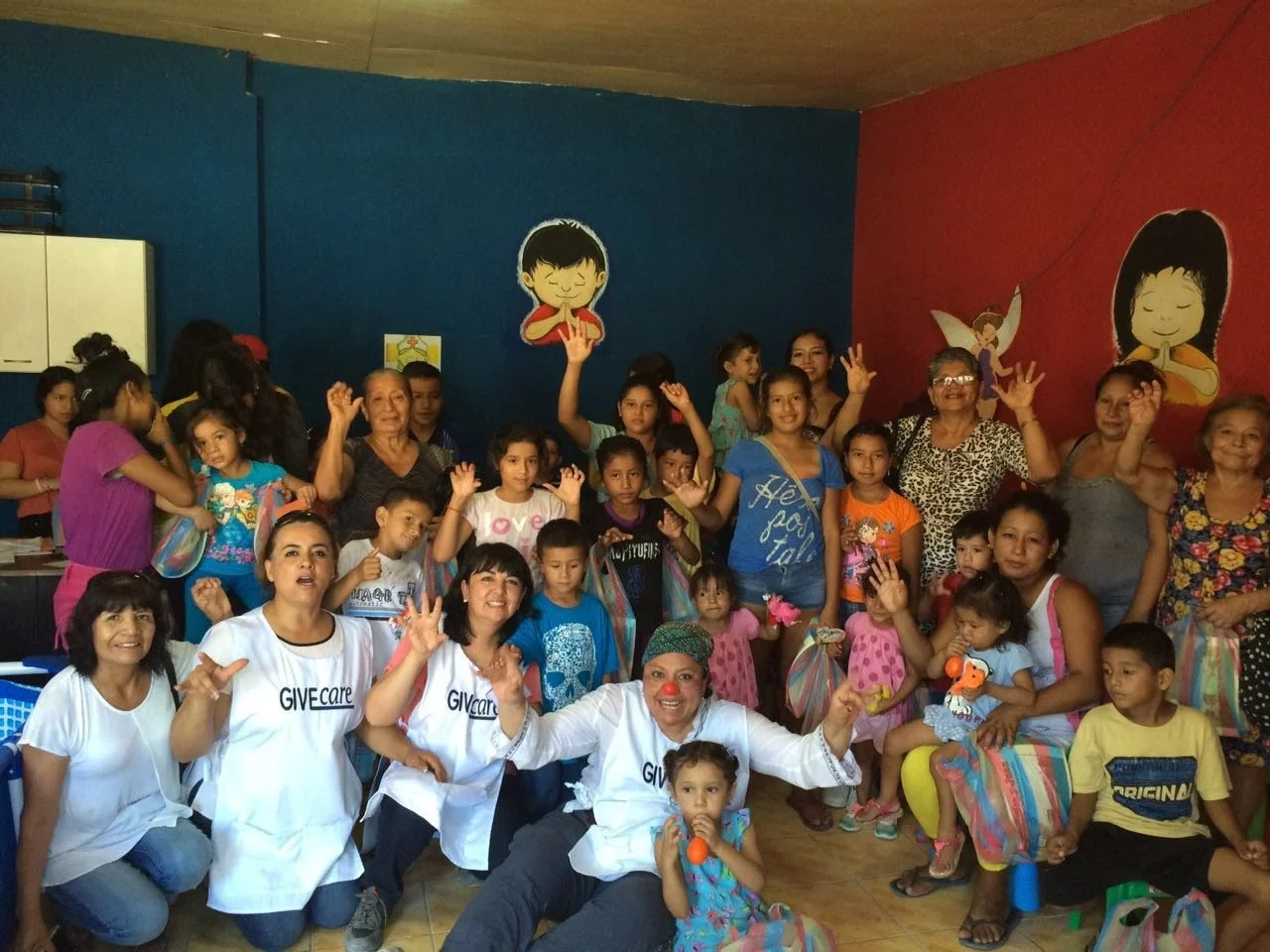
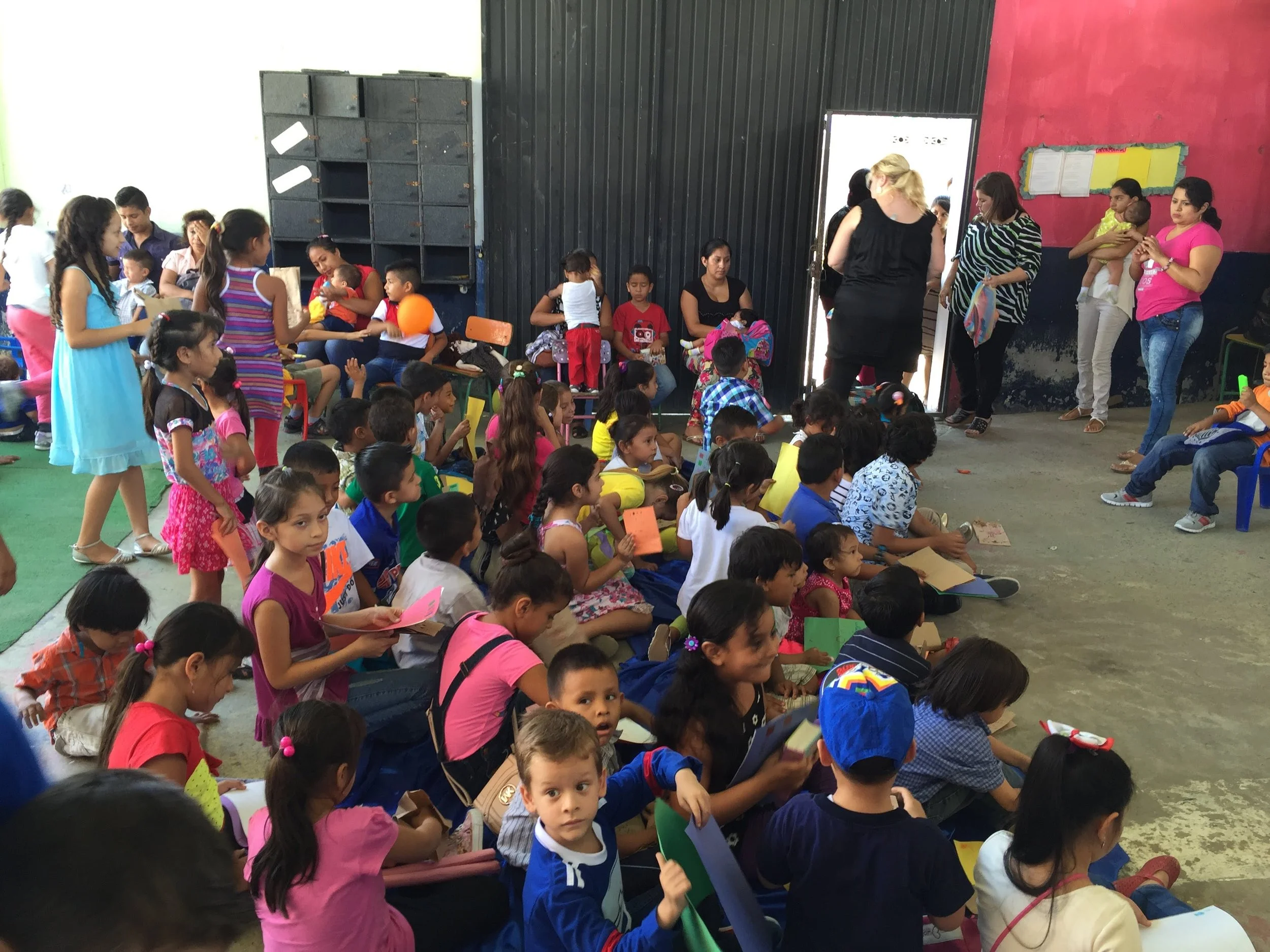
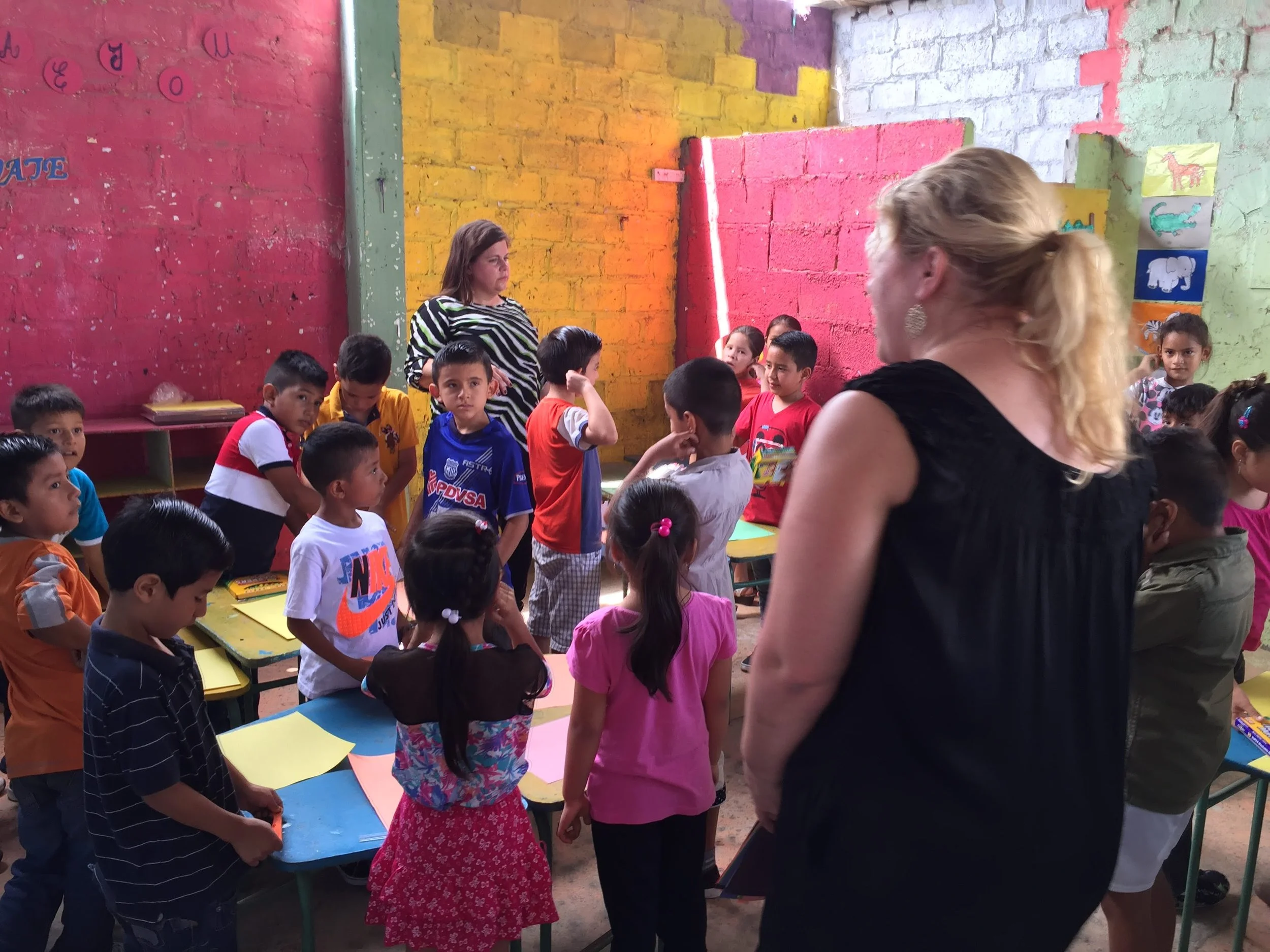
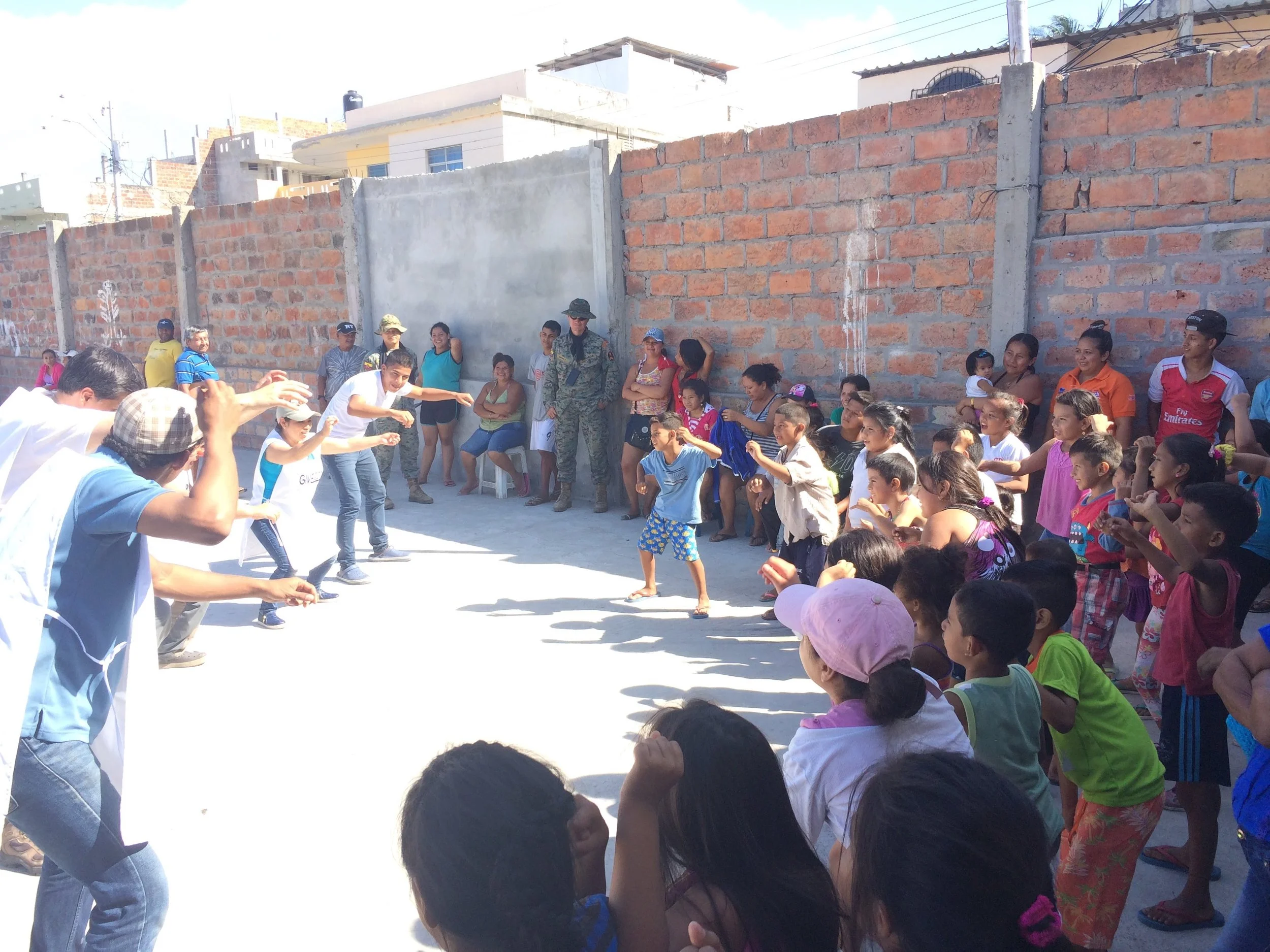
When the packages reached children in the coastal towns — across five churches and a Church of God school of 250 students — the children opened them slowly, the way children open things that feel sacred. Some hugged the bears immediately. Some pulled out the necklaces first. Some sat with everything in their lap and looked at it for a long time.
What they were holding was a message that said: "Someone who has never met you took the time to think about exactly what you might need tonight and put it in your hand."
That sentence is the gospel in miniature.
A filter in a church
The same week the suitcases were leaving Quito for the coast, a different shipment was leaving for Manta and the surrounding towns.
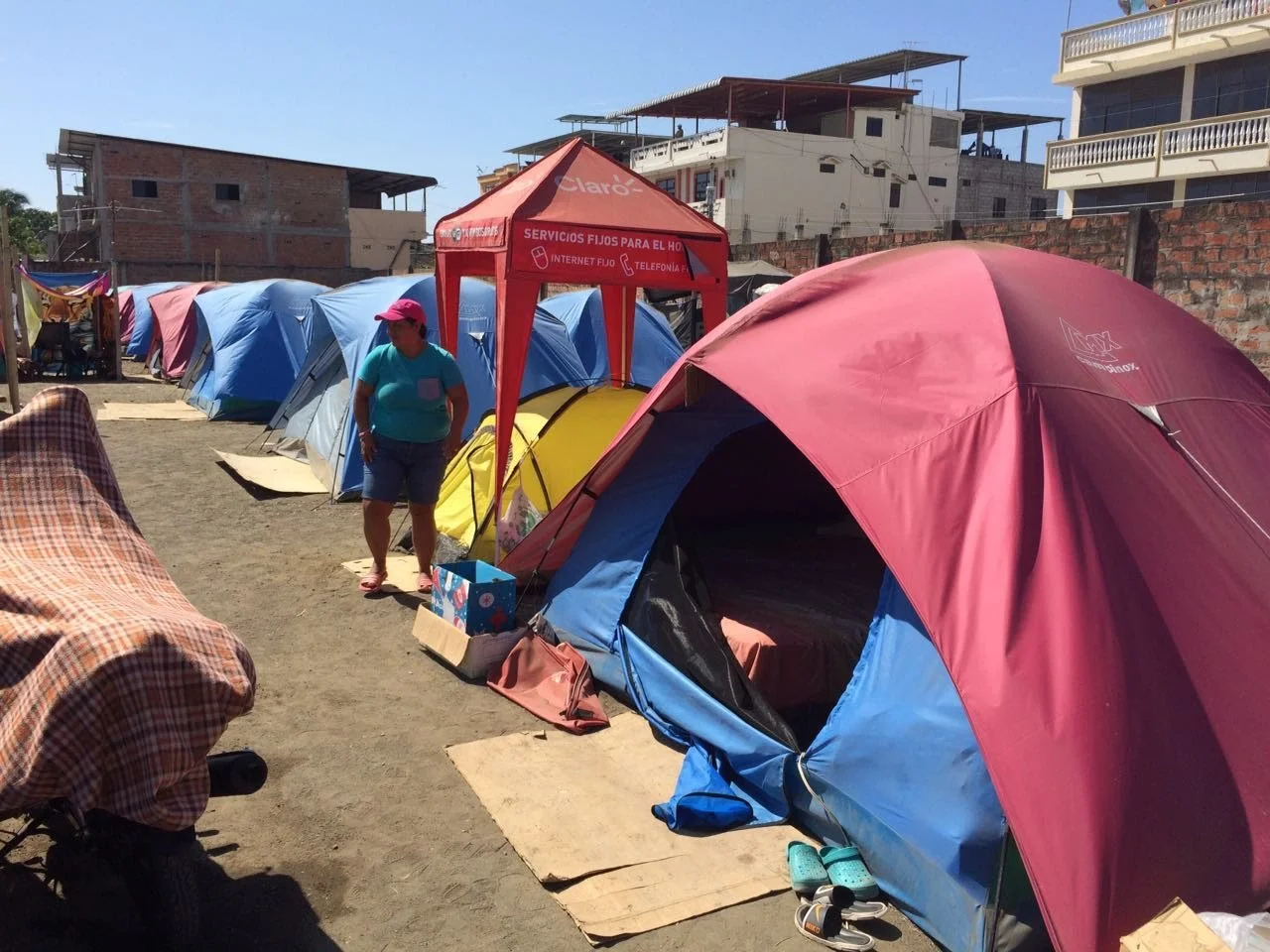
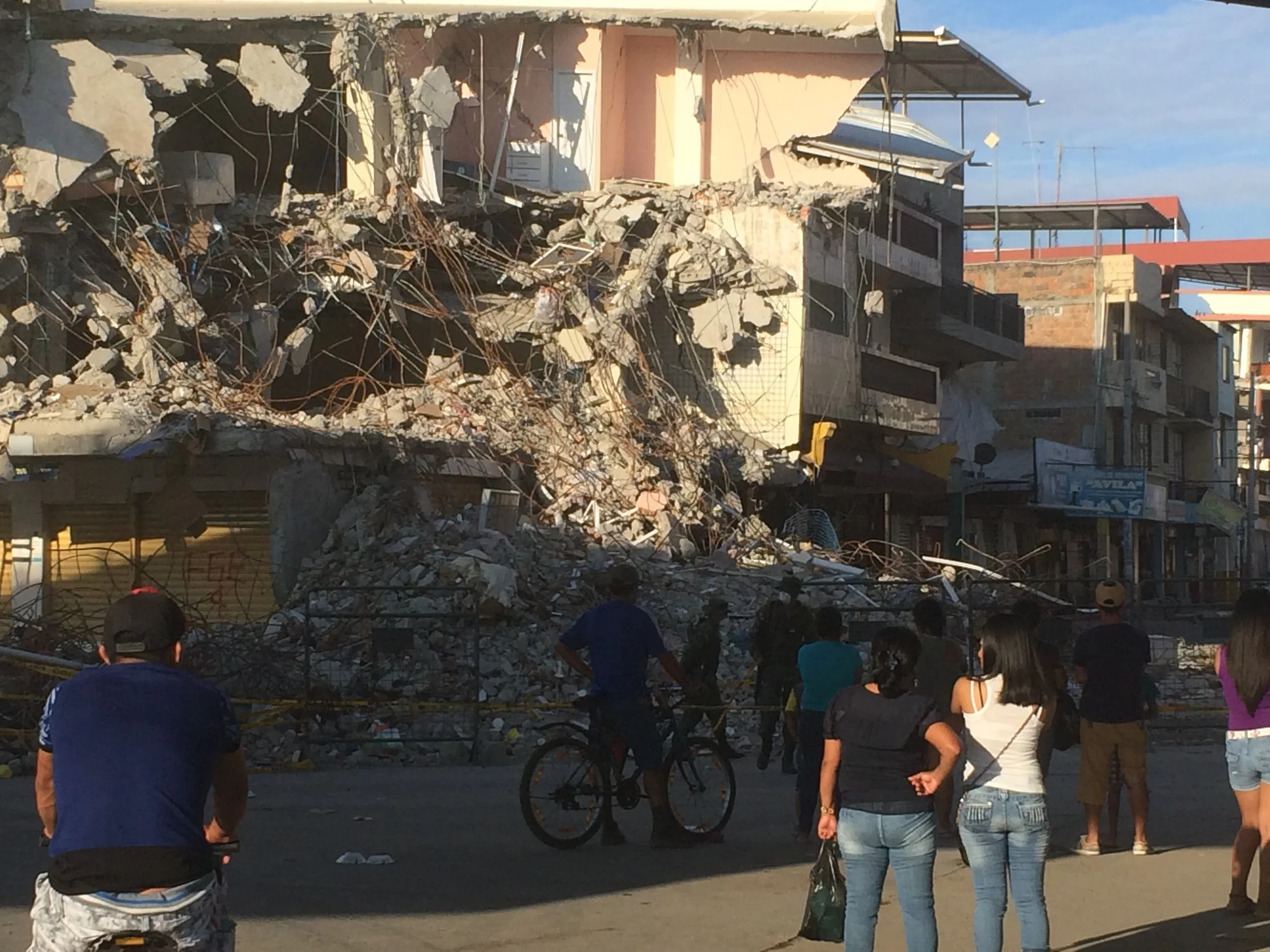
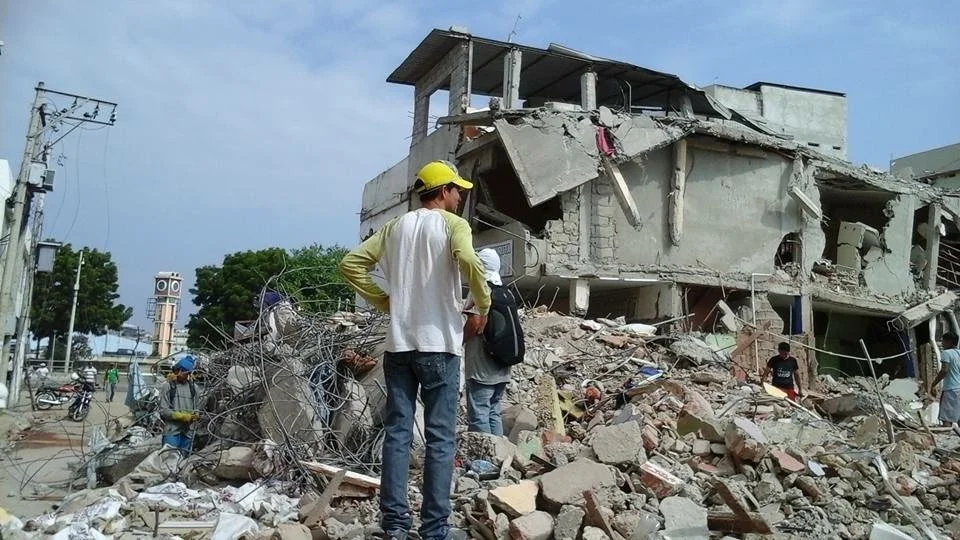
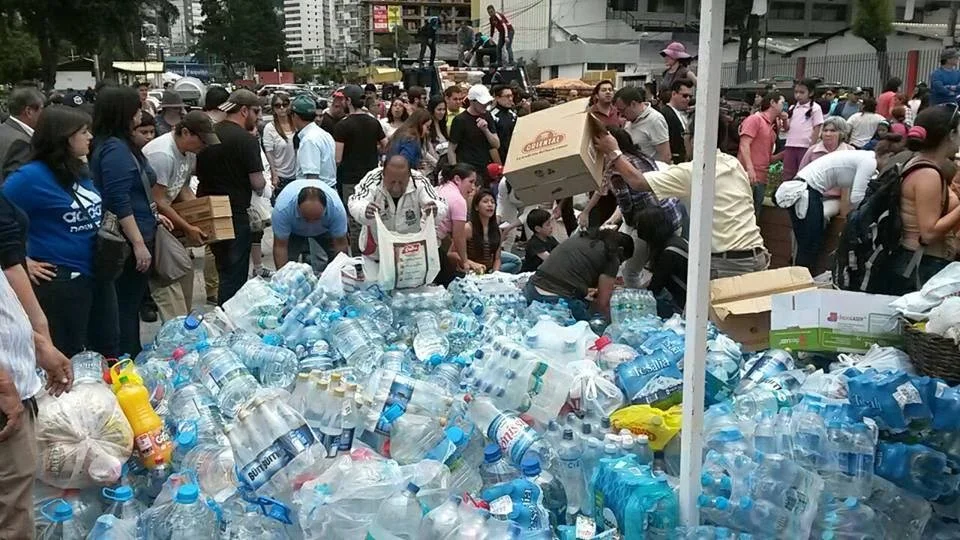
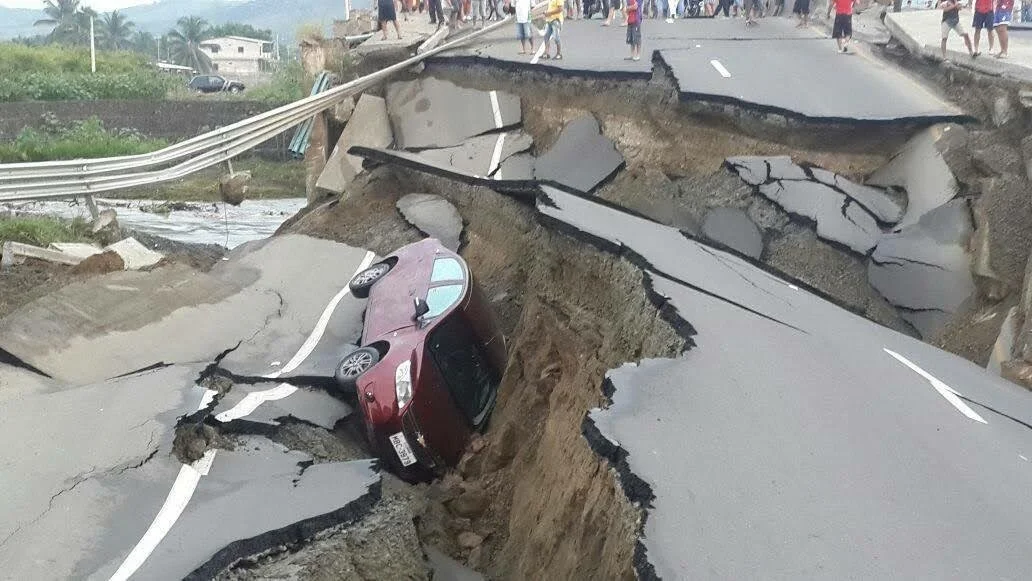
Water purification systems—small, portable, installable in a church building. The towns we worked in had lost their water infrastructure in the earthquake; bottled water was running out; tankers could not reliably reach the smaller communities. People were drinking from sources that were going to make their children sick before the week was over.
A local pastor in La Pradera took two of those filters and used them strategically to help many community members. He set them up in his church, opened the doors to the community, and arranged a system to monitor their use. He committed to weekly check-ins with our team. Within days, families in his neighborhood had clean water from their own pastor in their own church, using a filter with a maintenance plan and a name attached to it.
That filter, like the worry doll, is theology you can hold.
Clean water is vital and tangible. It is a thing in a jug, in a kitchen, on a Tuesday — handed to a child whose mother does not have to worry, this morning, about whether the water will make her sick. The filter does not heal the country's water system. It does not solve poverty. It does not fix what the earthquake broke.
It gives a child potentially life-saving, clean water today.
The pattern
Ten years later, this is still how M:25 builds children's care.
Every program we run — at our flagship campus at Agua Viva in Quito, at our partner sites across Latin America, in our trauma-informed training for pastors and teachers — carries the same shape. A taught practice. A small object. A trusted adult to deliver it. A child who can hold something while she learns what to do with what happened to her.
When a child arrives at one of our homes after losing a parent, we do not greet her with a clinical assessment. We greet her with a backpack, and inside is a journal, a small stuffed animal, a few practical items, and — often — a handmade reminder of the practices we will teach her. We sit with her. We do not ask her what happened. We show her how to use what is in her hand. We tell her she does not have to talk about anything she does not want to.
We learned that in 2016. From two thousand small packages. From a mother in tears. From a pastor with a water filter. From a little girl who finally slept.
What this means
There is a phrase the Christian tradition has been turning over for two thousand years: the Word became flesh. God sent his Son as a small, hungry, held, carried, real enough to be passed from one set of hands to another.
We are not making theological claims about a clothespin and a scrap of fabric. The doll is the doll.
But the logic of how we work — the conviction that care has to be touchable to be received, that healing arrives most often through small objects in small hands, that the people who deliver the care must be the ones the child already trusts — that logic comes from a tradition that has always insisted love is a thing you can hand to someone.
When you support M:25's children's work, you're sending practical tools: a small handmade thing, a clean cup of water, a doll a child can hug at 2 a.m. when the wind picks up.
You can hold it. So can she.
To learn more about the trauma-informed children's care that grew out of the 2016 Ecuador earthquake response — and continues today at M:25's Agua Viva campus and partner sites across Latin America, Africa, and Asia — visit projectm25.org.
