Who Said Yes When Nobody Had To
FROM THE M:25 ARCHIVE · FOUNDING STORIES
How Agua Viva came to be — and why the founding of Project M:25 belongs to more than two people.
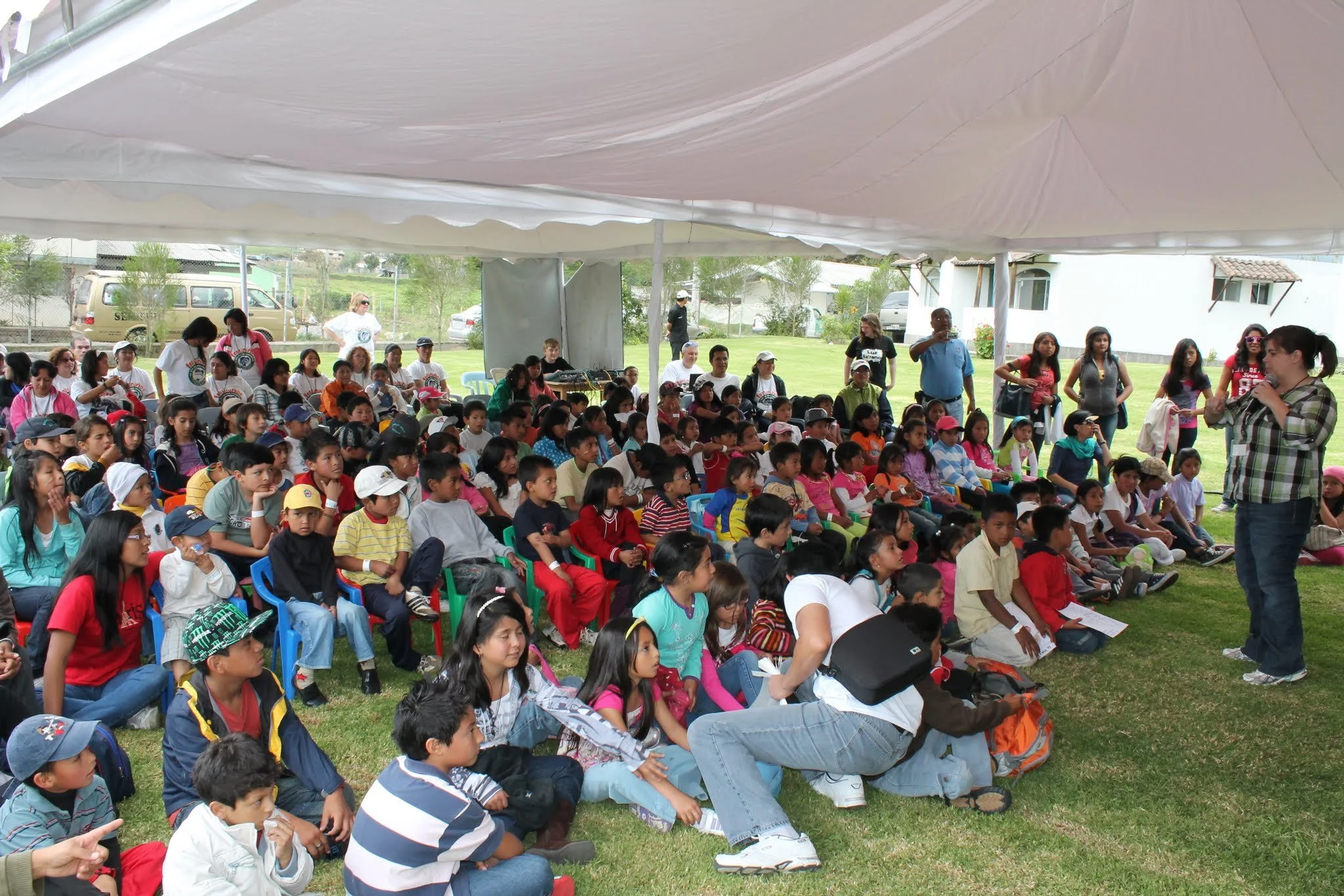
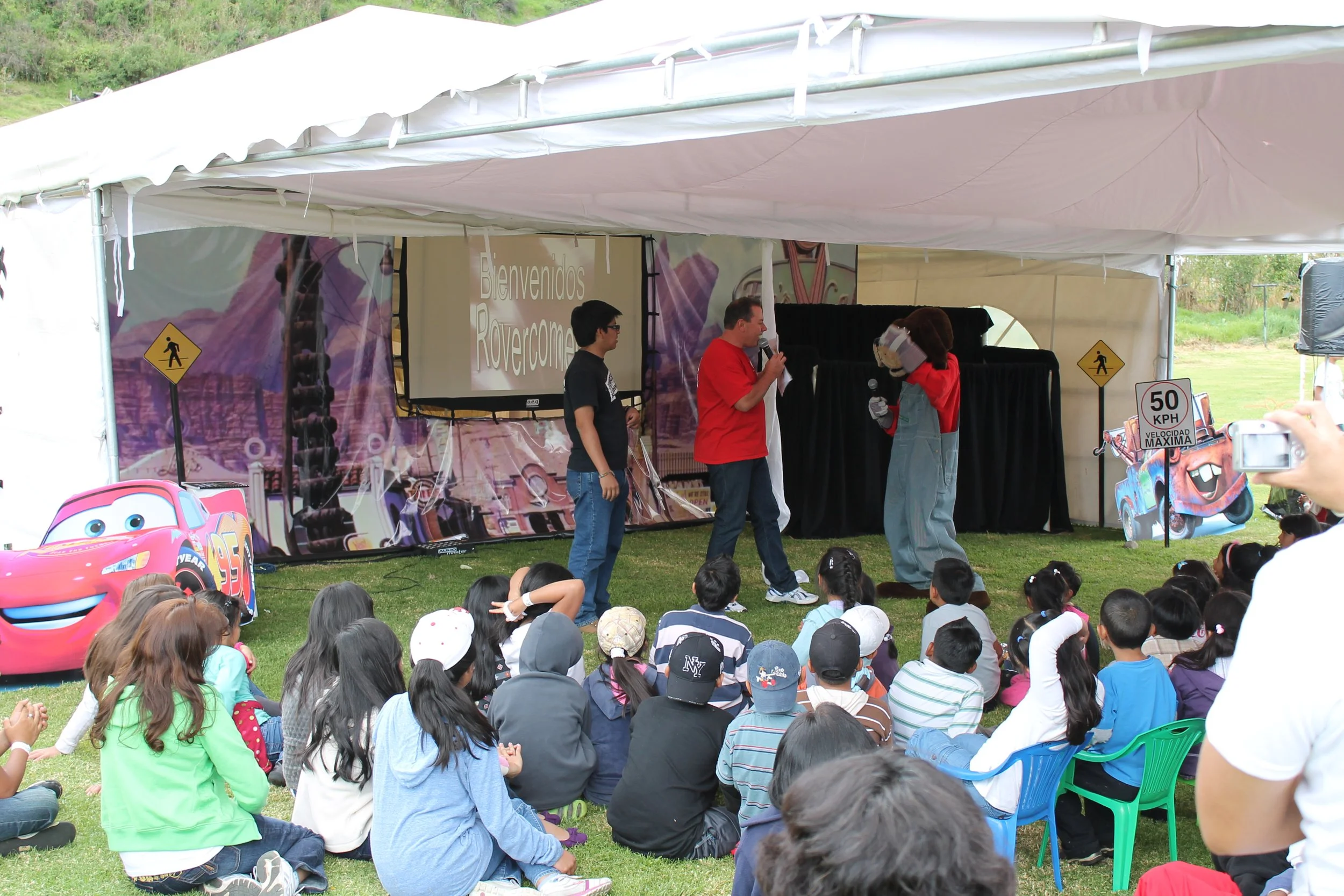
“As the first kids' church service began, I stood at the edge of the tent and saw these neighborhood children laughing and enjoying the songs, and I began to weep at the realization of this dream and the anticipation of the ministry opportunities yet to come.”
— Tamitha Lynch, June 7, 2012
Before Any of It Was Ours
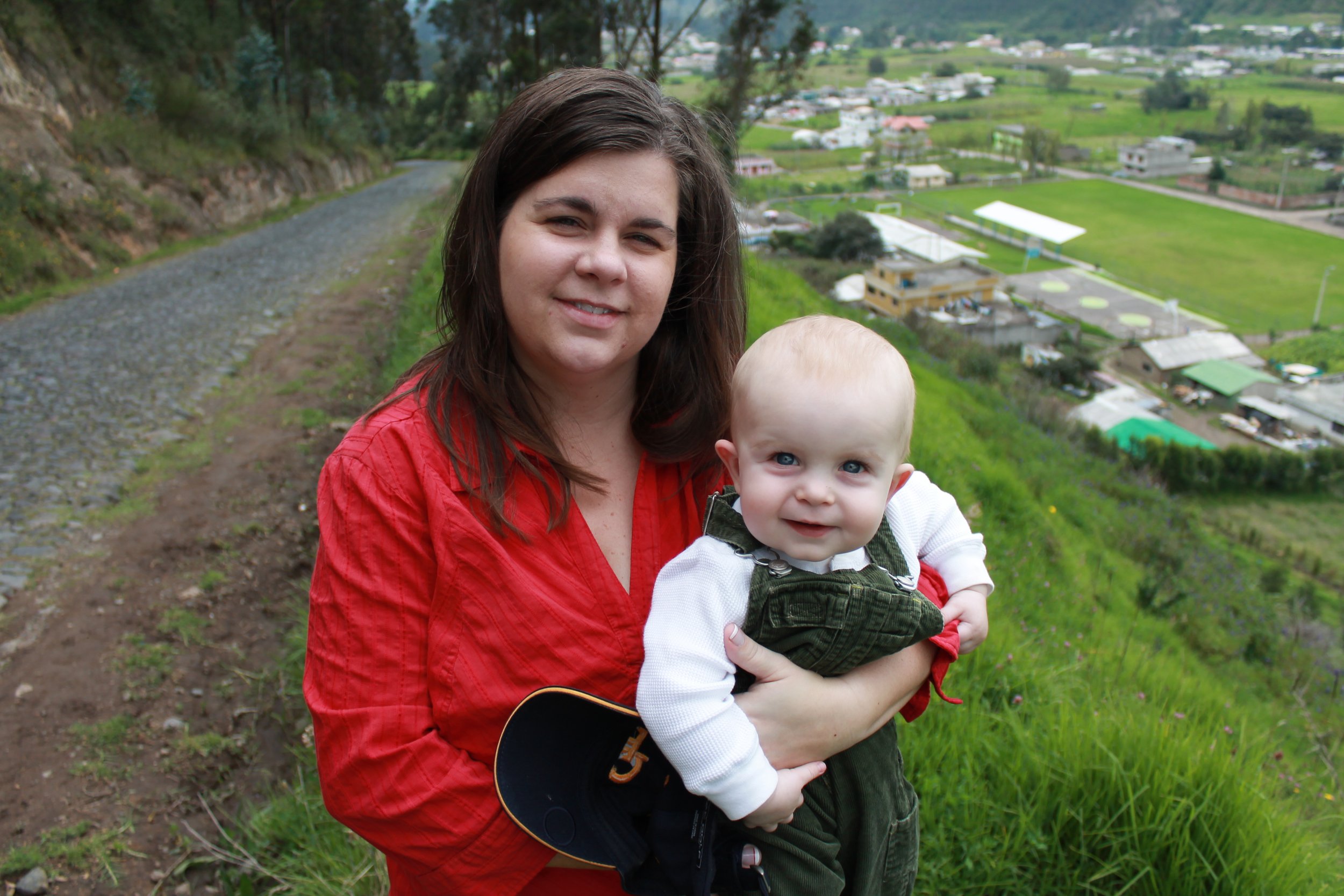
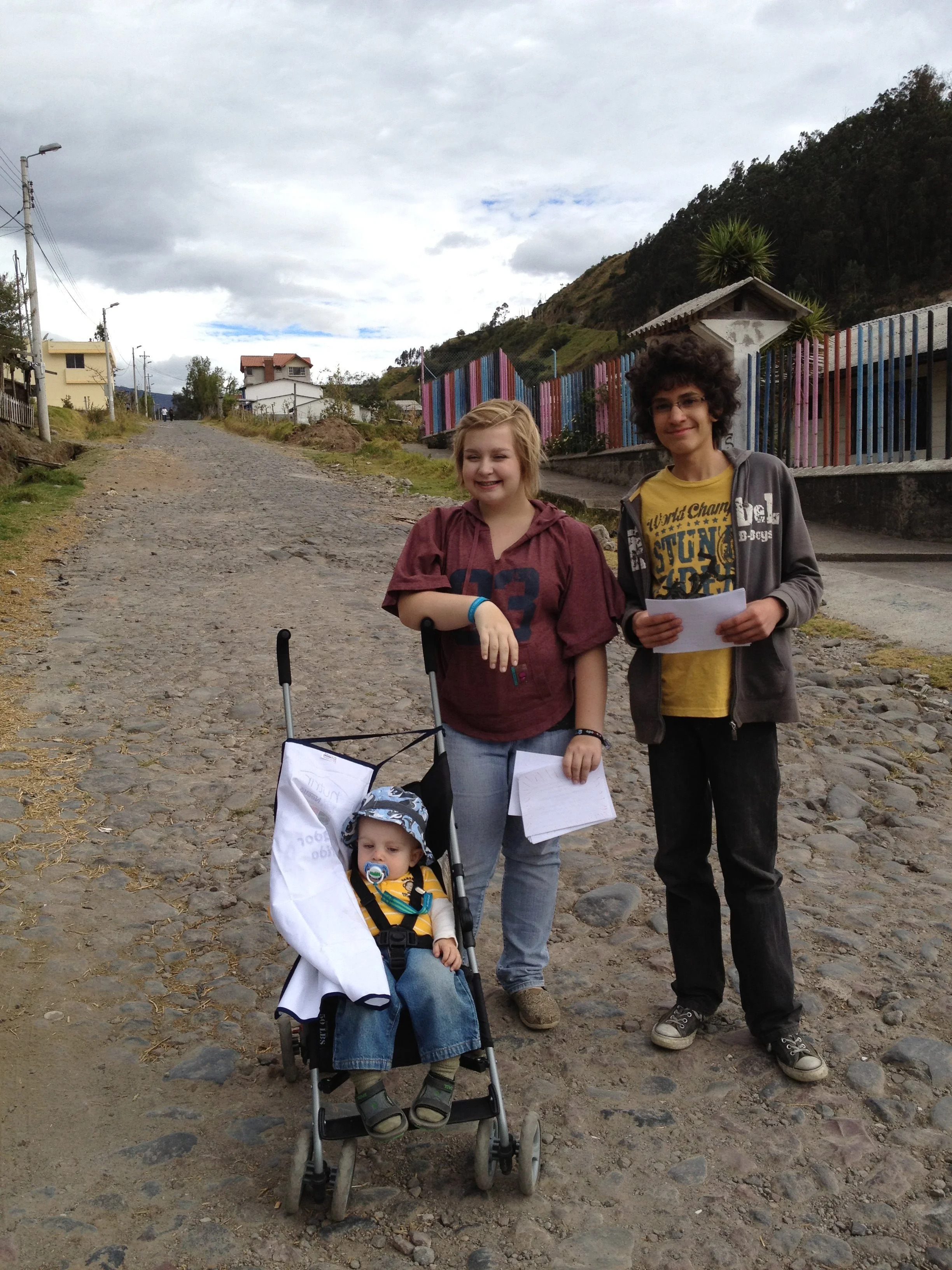
In early 2012, before Project M:25 had a campus, a property, or even a name, Bobby and Tamitha Lynch climbed a hill on the outskirts of Quito.
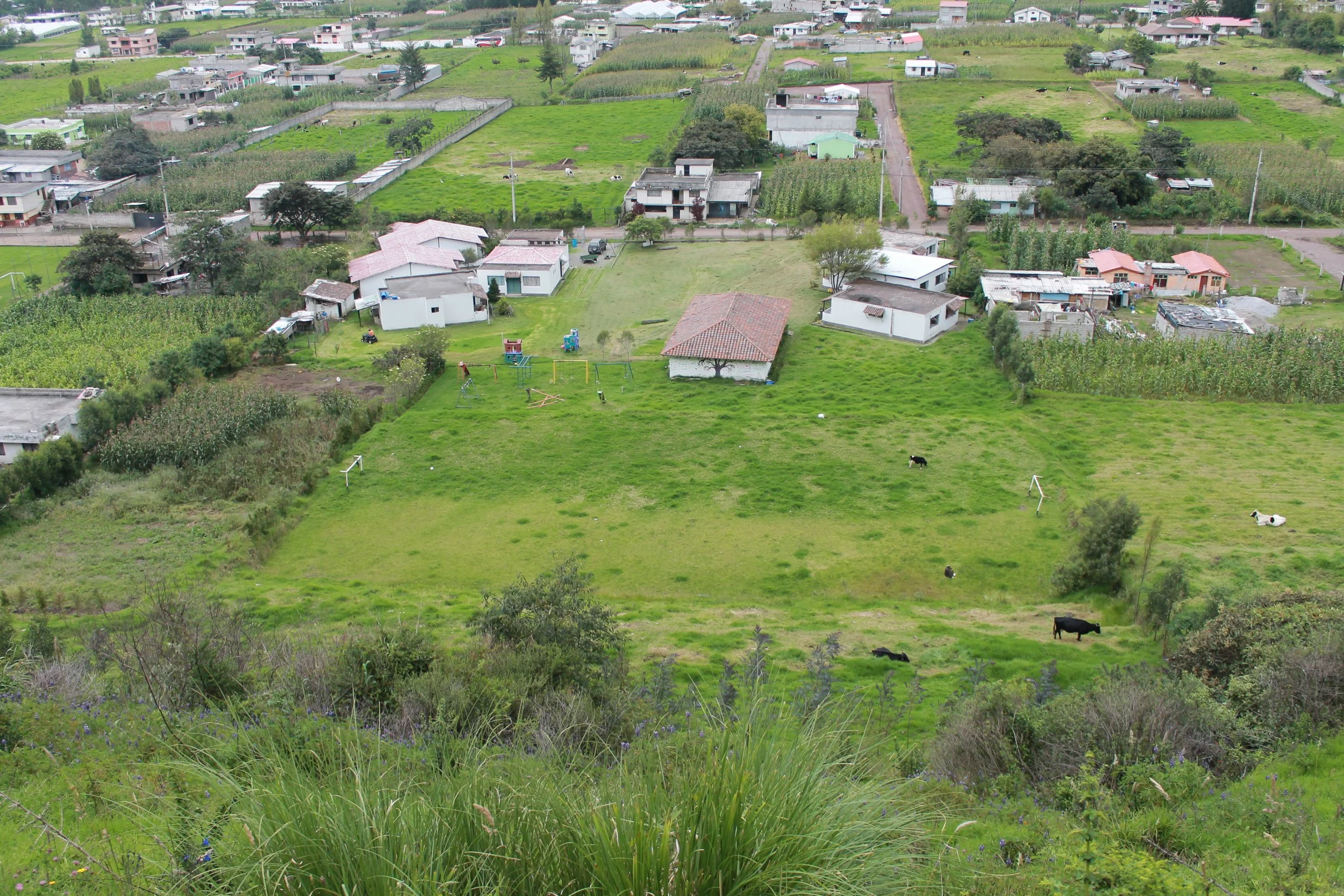
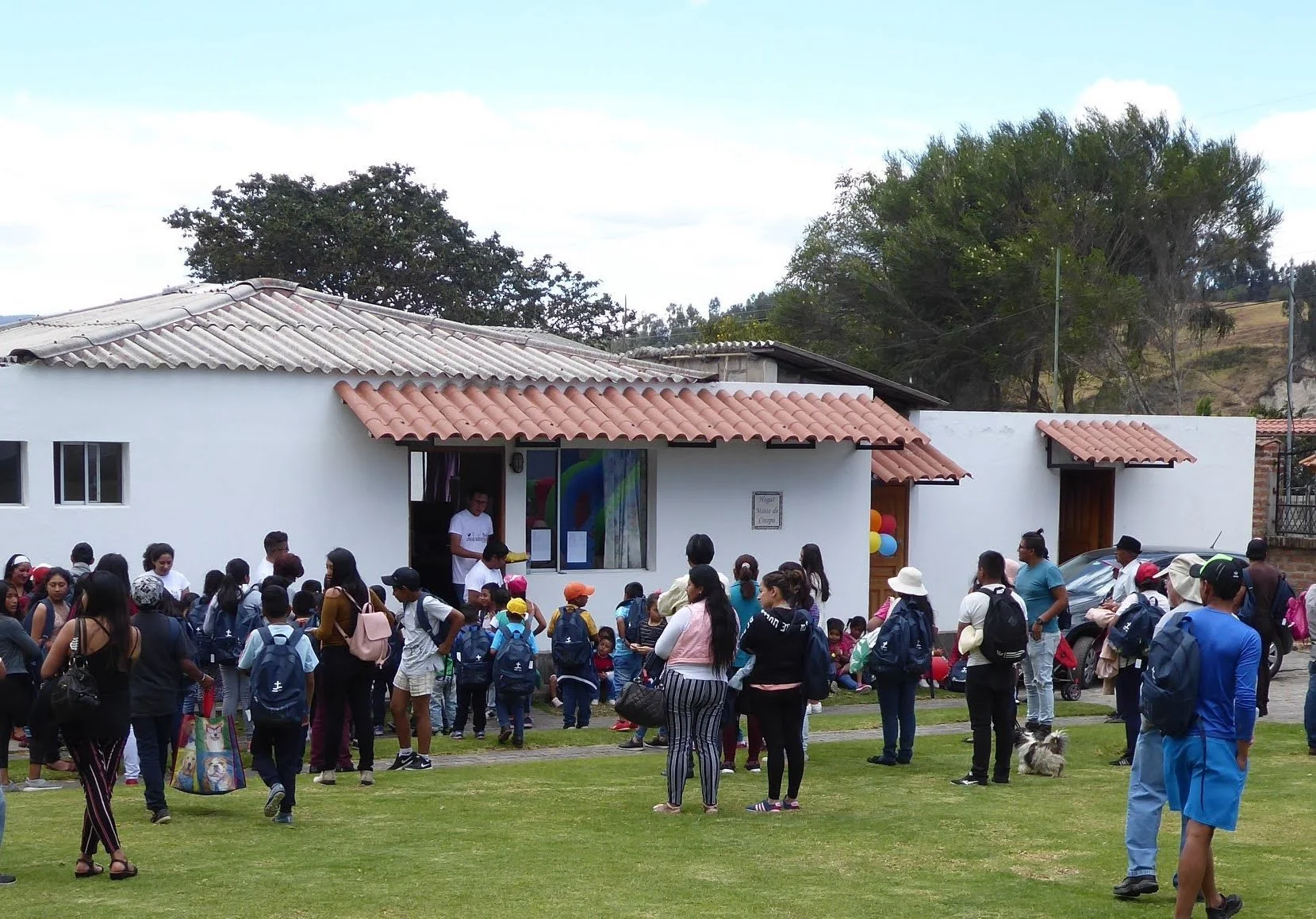
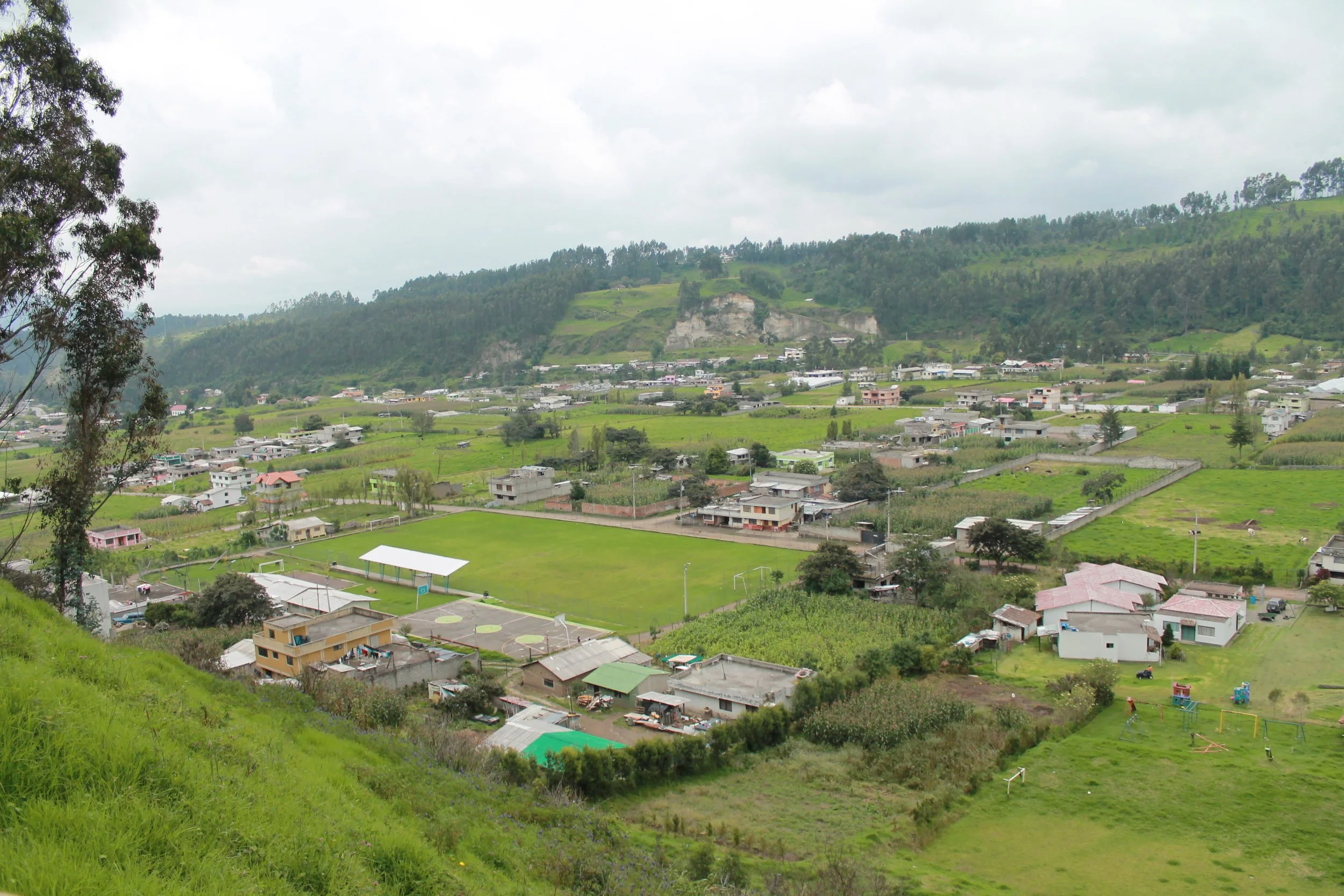
They were missionaries with Church of God World Missions, serving as faculty at SEMISUD (South American Seminary) and helping at a small feeding center for vulnerable children. Tamitha was carrying their son James, who was one year old. Bobby was beside her. Below them, the hillside opened onto a 2.5-acre former orphanage in the rural community of San Fernando. This property had been closed since January, surrounded by a valley with no evangelical church for miles.
Standing at the top of that hill, God gave them the same vision at the same time.
Tamitha had spent years pouring herself into children's ministry. Bobby had spent years preparing pastors. Up on that hilltop, the two passions became one passion. One dream. A place where children could be discipled, and ministry leaders could be trained on the same campus, in the same posture, anchored in Matthew 25's call to care for the least of these.
They said yes to the dream before they had any idea how to pay for it.
That is where the story starts.
The First Call
The property was being offered at $150,000 against an appraised value closer to $350,000 — a Catholic foundation was liquidating its assets, and the price was a fraction of what the campus was worth.
$150,000 is a small price for a 2.5-acre former orphanage.
It is not a small price when you do not have any money.
Bobby picked up the phone and called Pastor Dan Moore.
Dan was the pastor of Living Waters Christian Fellowship in Southern California — a church Bobby and Tamitha had gotten to know a couple of years earlier, while Bobby was studying at Fuller Theological Seminary in Pasadena. Dan and Living Waters had a heart for Ecuador. They had been praying for it. They had been giving toward it. They knew the Lynches' work.
Bobby told Pastor Dan about the property. He told him about the hilltop. He told him what he and Tamitha believed God was saying. He told him there were other buyers in line and that the window was small.
Dan's reply was four words long.
“I think we can do that.”
— Dan Moore, Living Waters Christian Fellowship, Pasadena, California
Dan committed to raising the money.
Then — because the closing window would not wait for the fundraising window — Living Waters wired the funds before they had been raised.
The church said yes, the way a friend says yes when the phone rings at 2 AM.
The Father
There was still a gap.
Closing costs. Title transfer. Notary fees. The small army of expenses that come with international property acquisitions — alcabalas, hipoteca registration, abogado fees, the things that do not make it into the appraisal but always make it onto the invoice.
Bobby called his father.
His father wrote the check. The loan itself was the kind of loan a father gives a son who has just told him he is buying an orphanage in another country.
The Other Yeses
Around the same time, our realtor worked patiently with the seller's foundation, helped coordinate the Panama bank account that would receive the wire, shepherded the deal through Ecuadorian notaries, and never once tried to talk the price up. He could have walked the deal up. He chose to walk it through.
Within the Church of God, it took days of negotiation across multiple levels of denominational leadership — international, regional, national, and district — to secure the proper approvals. Some leaders asked hard, legitimate questions about why a project this consequential was moving this fast. Others moved quickly to vouch for the work. By the end, the property was being purchased in the name of the Iglesia de Dios de Ecuador, with full denominational cover, and with the Lynches as administrators answerable to the broader institutional body.
The denominational leadership said yes. None of them had to.
On the Ecuadorian side, regional and district leaders absorbed the operational risk. One pastor handled the food planning for the upcoming kids' event — getting three quotes from caterers and weighing the costs so that some children could attend on scholarship. Another carried the local logistics. Another endorsed the project to the national office. Each of them treated a small children's event with the same seriousness they would have given to a regional conference, because each believed the children of the valley were worthy of that seriousness.
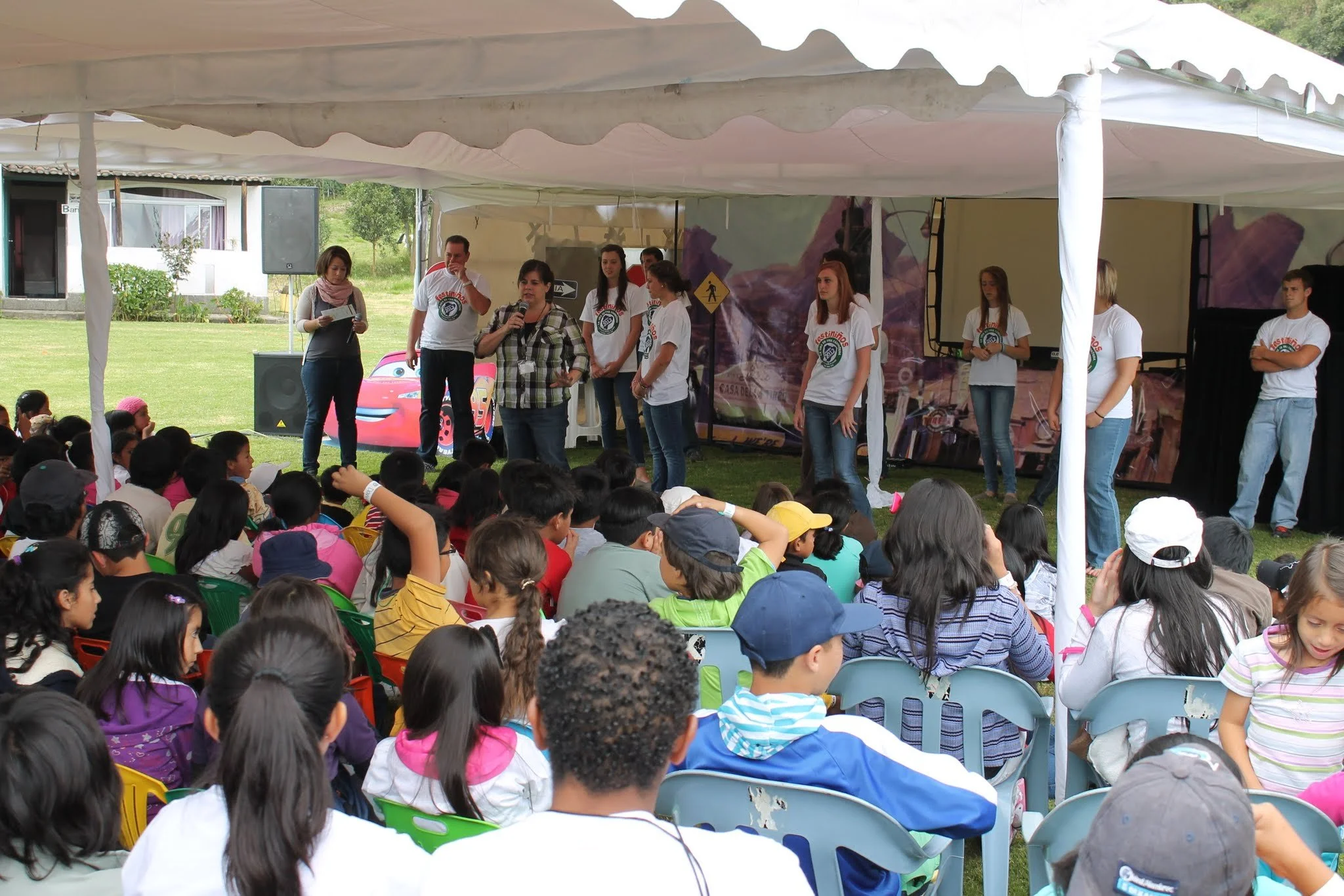
From Cullman, Alabama, a children's ministry team from Daystar Church — led by Steve and Angie Patrick — had been preparing for months to come and lead Festiniños 2012, the second annual kids' event the Lynches had been hosting. They were planning to hold it at a rented campground. When Tamitha wrote to Steve in early May to let him know the venue was changing because the property was being purchased that week, Steve's reply was one sentence:
“We want to minister to 1,000, so whatever will work! :-)”
— Steve Patrick, Daystar Church, May 2, 2012
That is what a flexible partner looks like. A team that had spent a year preparing for one venue absorbed a venue change with a smiley face and a target of a thousand children.
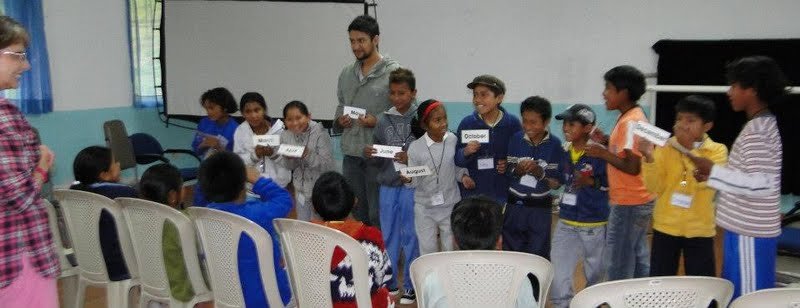
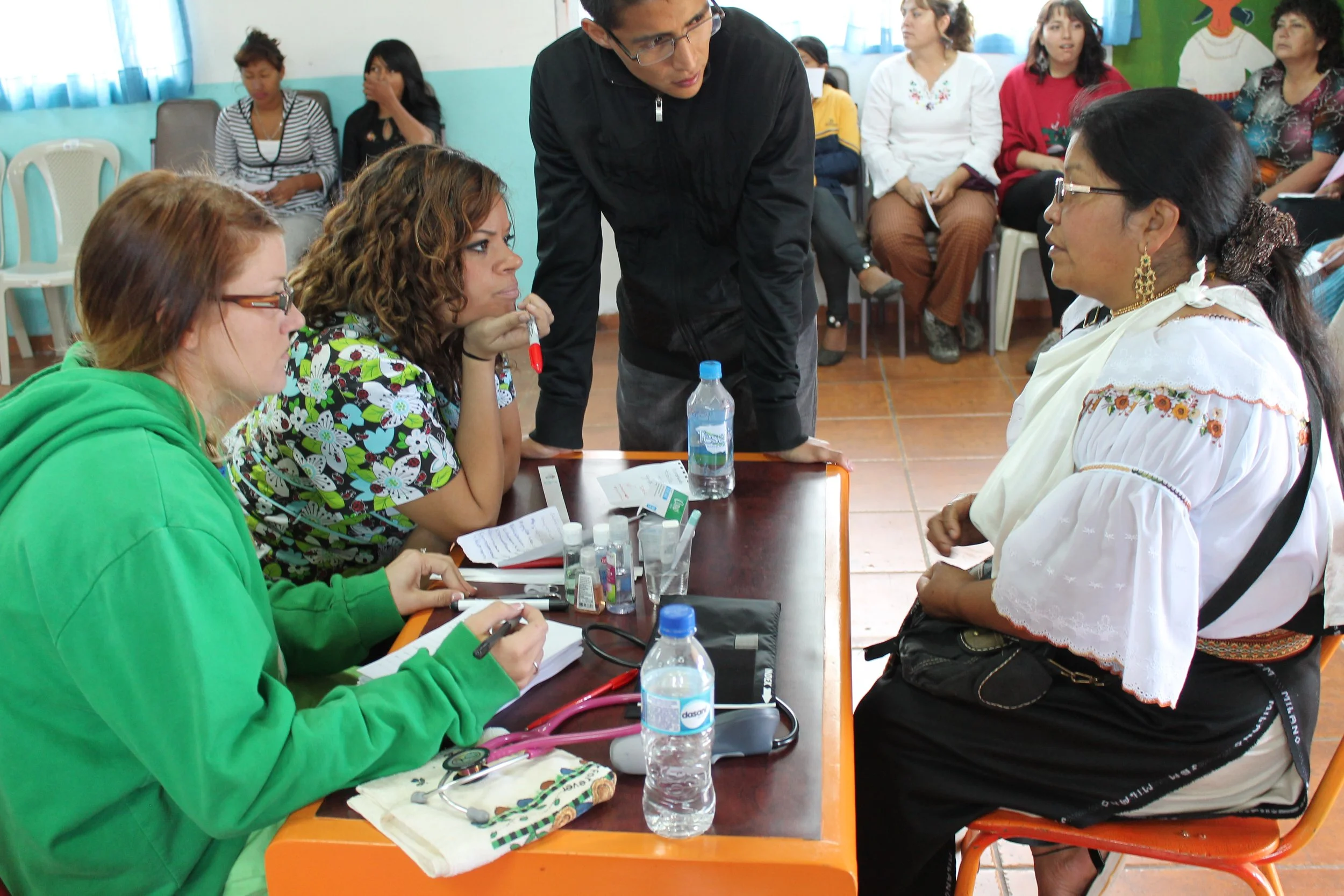
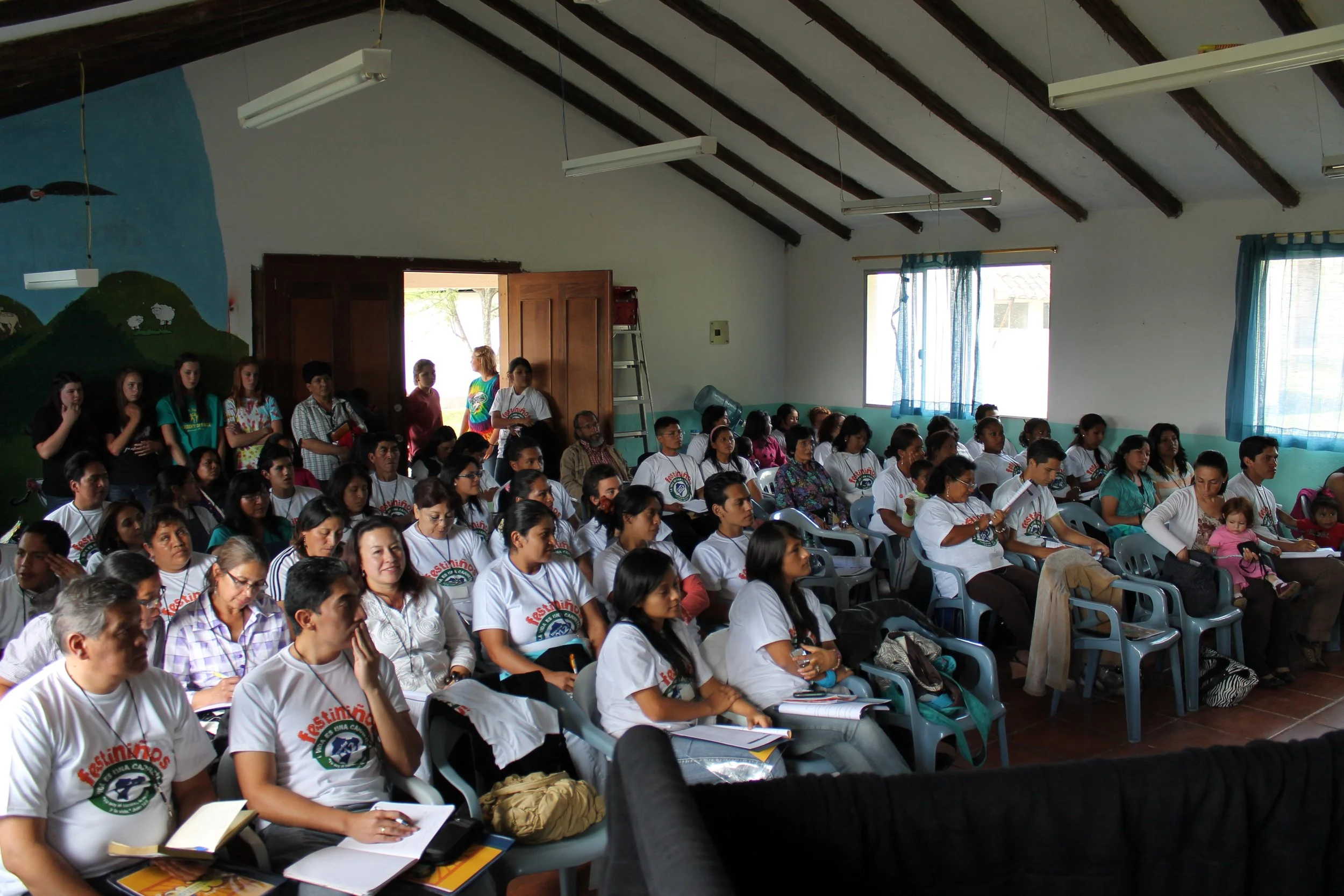
And then, the teachers. Eighty Ecuadorian children's ministry workers attended the training held on the property the day after the closing papers were signed. Some had ridden buses for more than ten hours to attend. They came because they believed the children in their churches were worth the trip. They are the partners whose names do not appear in donor letters, but they are the reason the work was credible from day one.
Thursday, Friday, Saturday
The papers were signed on a Thursday in late May 2012.
By Friday afternoon, the property was — in Tamitha's words — “crawling with activity.” Eighty teachers, the Daystar team, the Patricks, the Lynches, and an extended group of Ecuadorian leaders had gathered for the all-day training. It was the first event hosted on the new campus, less than 24 hours after it had legally become a campus.
Saturday morning, at 8:30 AM, the children began to arrive.
In Latin America, almost nothing starts on time. A 9:00 AM event begins at 10:00. Three children show up in the first hour. The rest drift in by noon.
On that Saturday morning, the line was already long at 8:30.
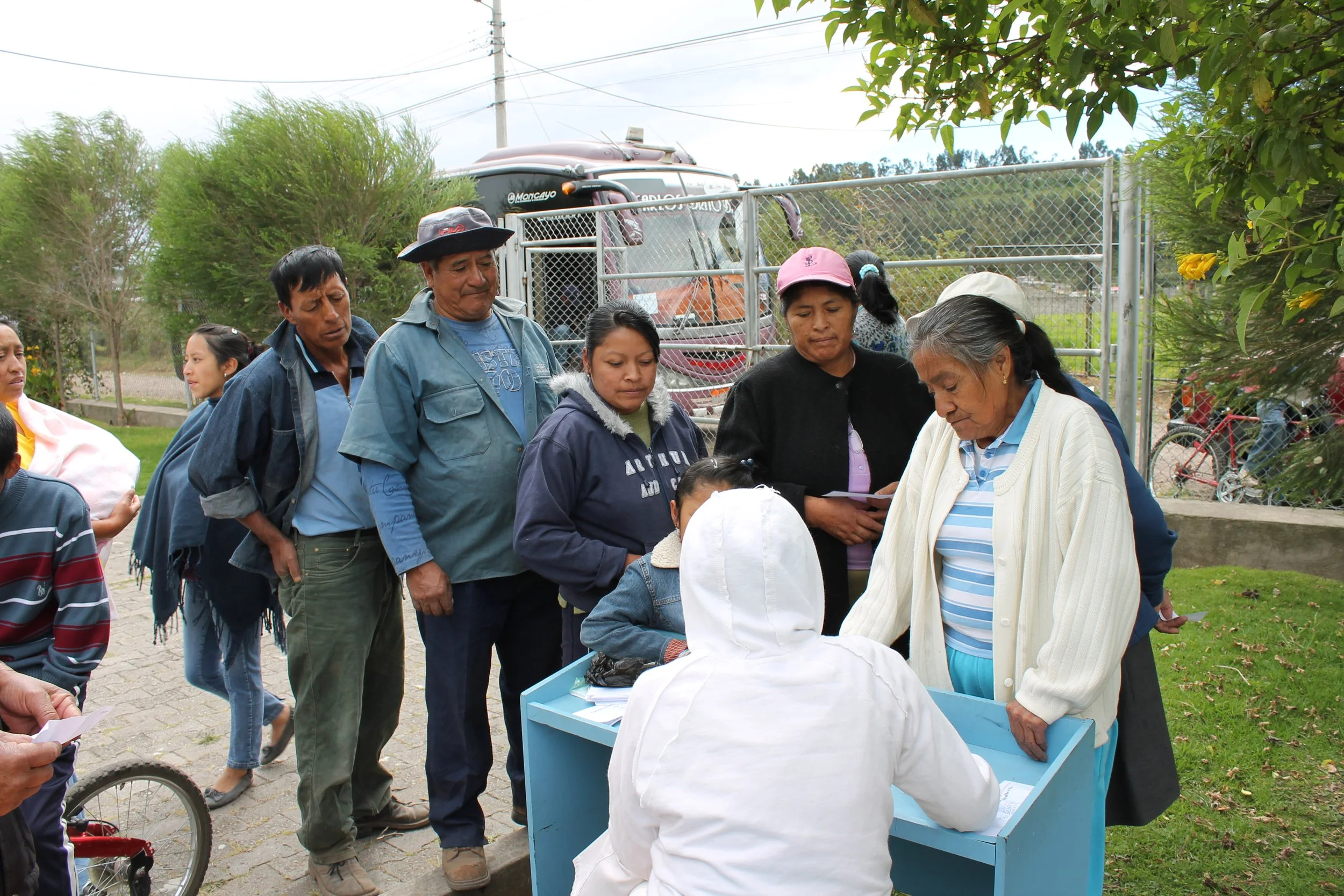
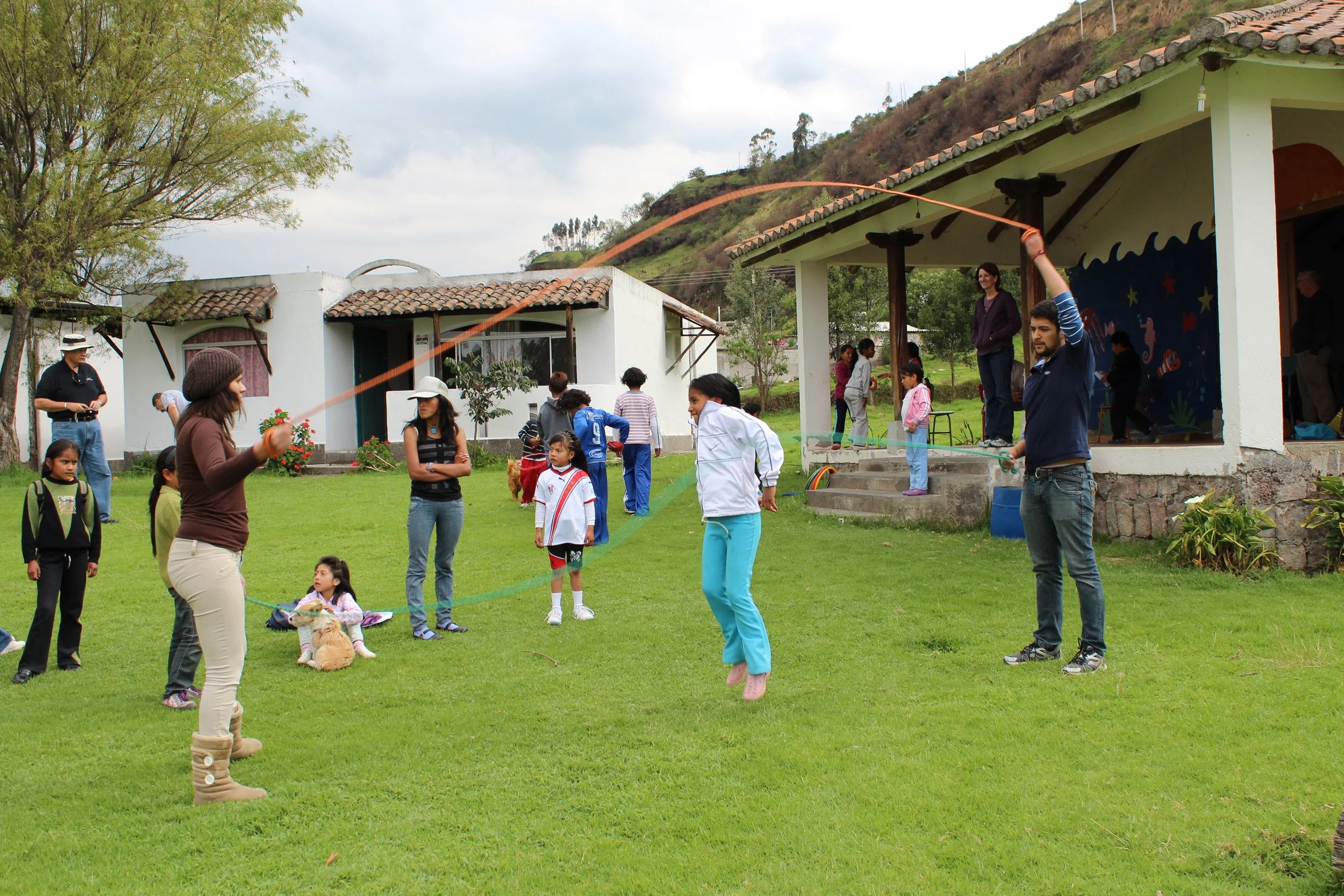
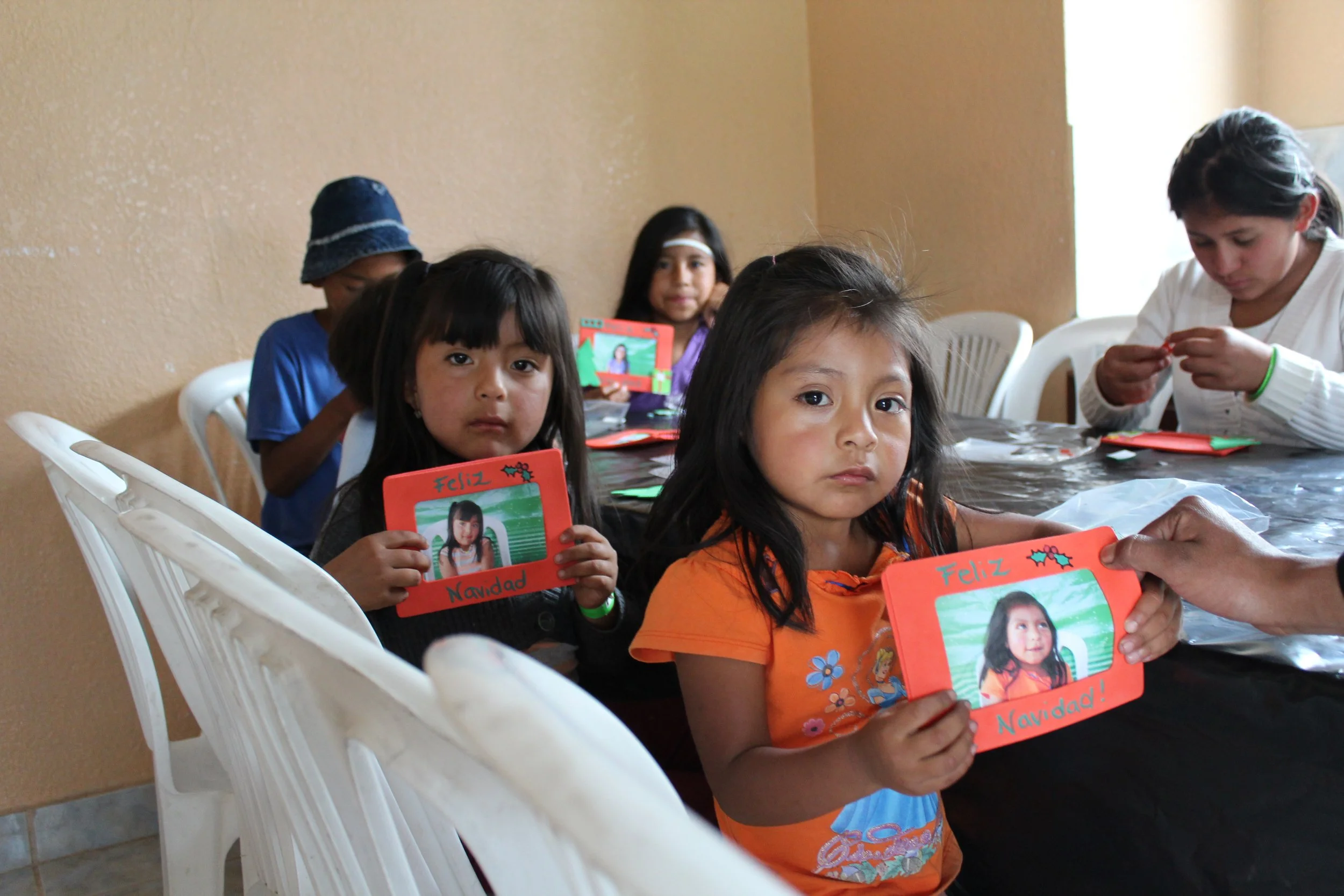
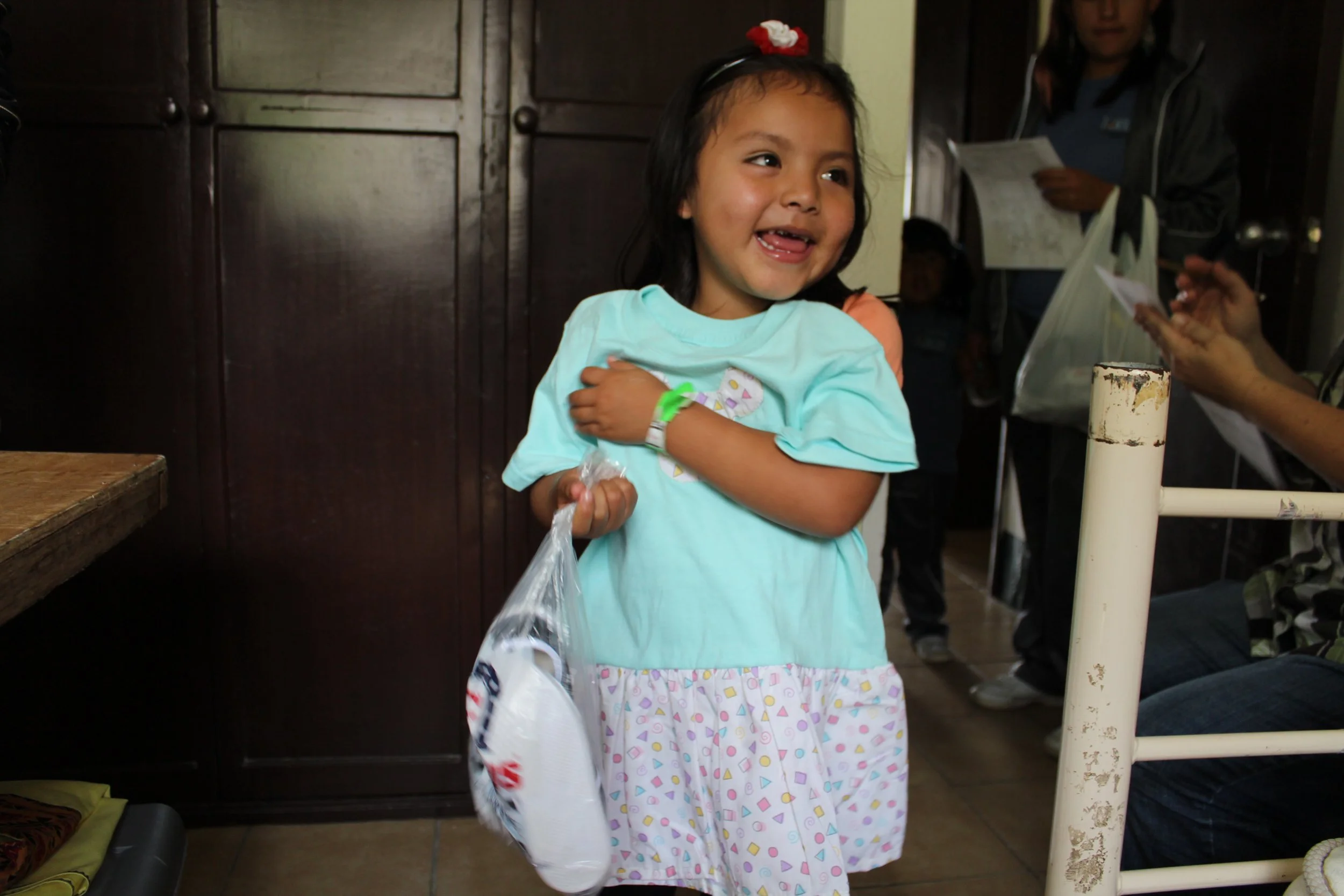
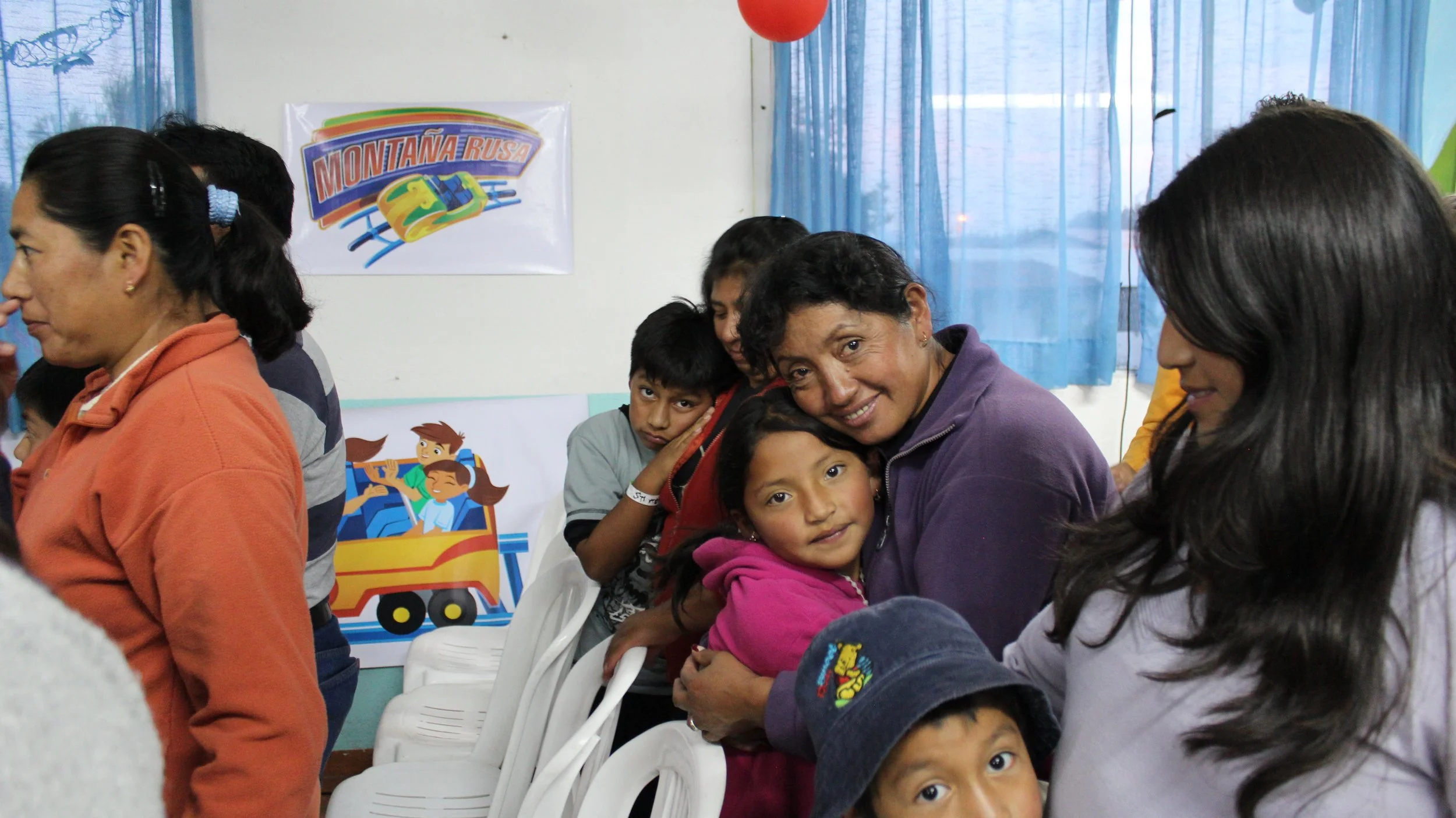
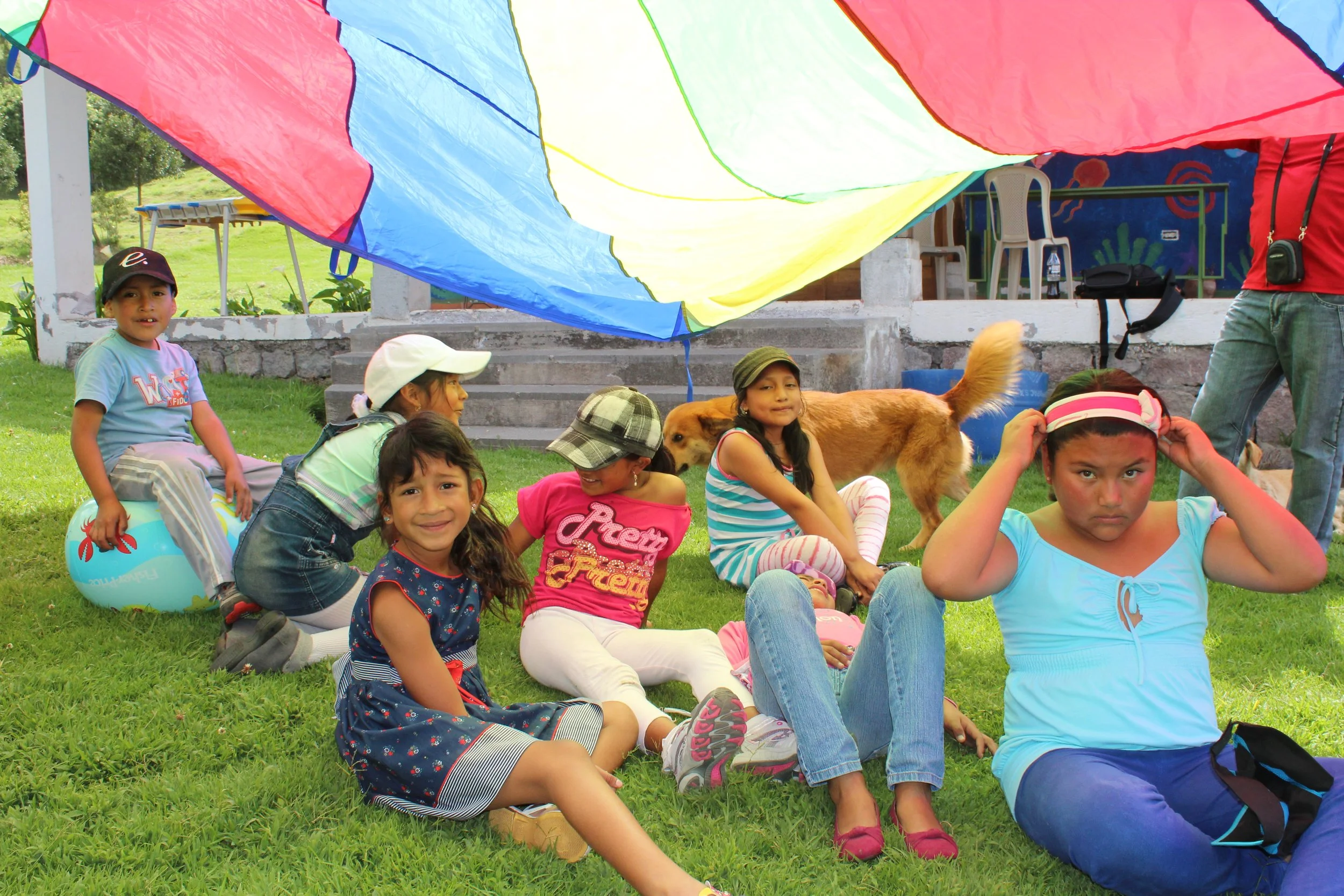
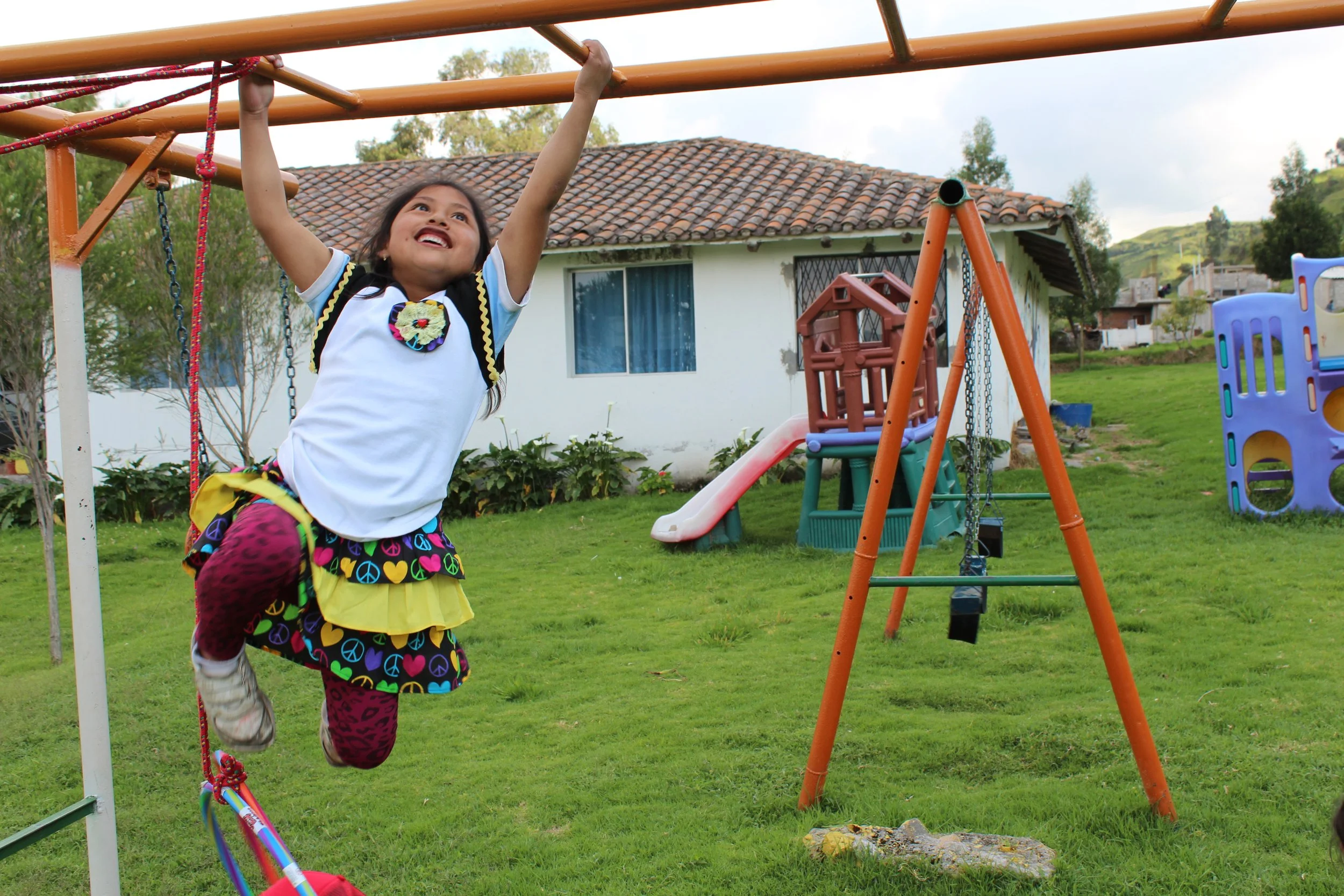
They had walked from the neighboring houses. Their parents had walked them. Word had moved through the community in the few days between Thursday's signatures and Saturday morning. The closed orphanage was open again. There were going to be games. There were going to be songs. There were going to be cotton candy, three meals, and a carnival. There was going to be a place to belong.
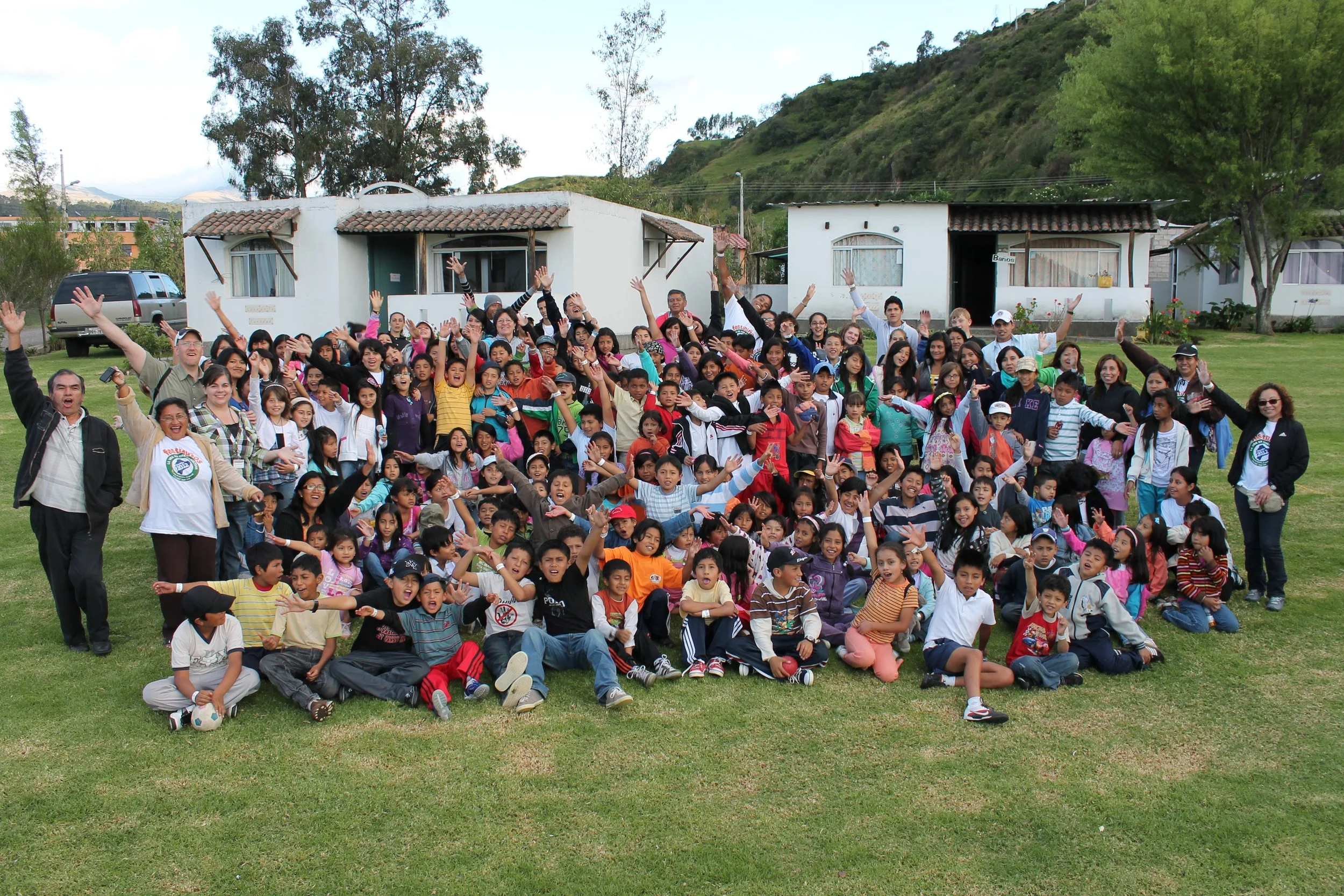
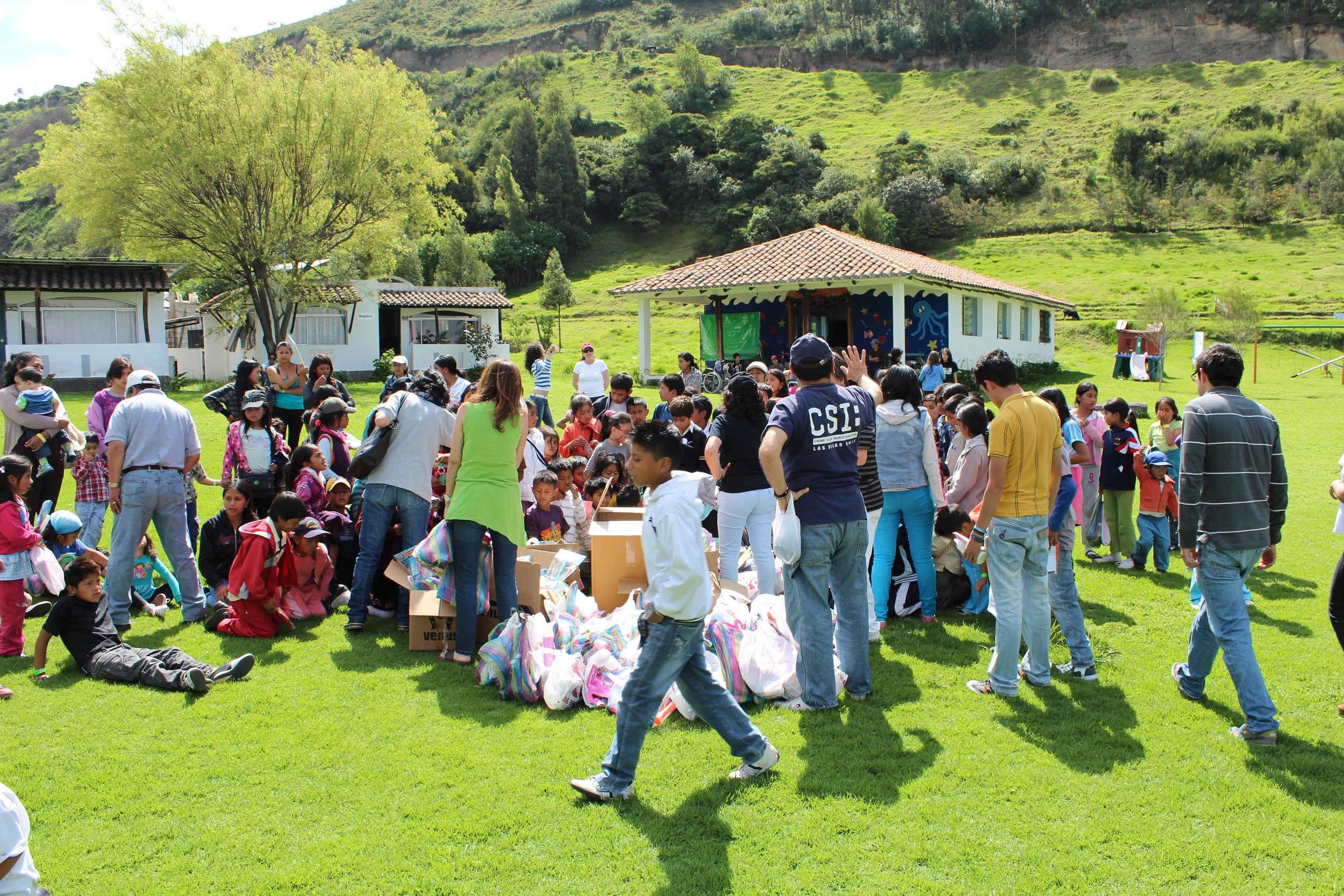
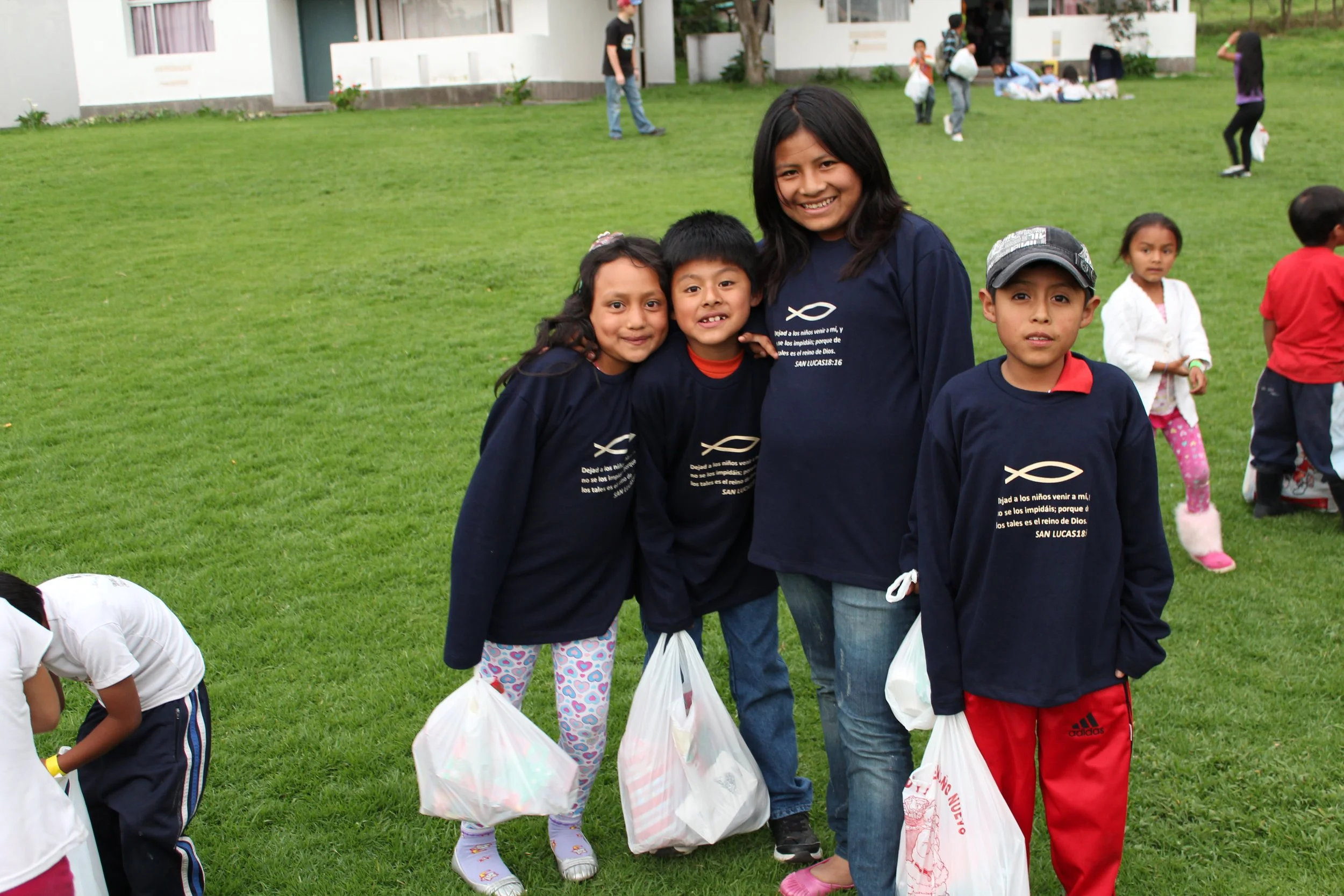
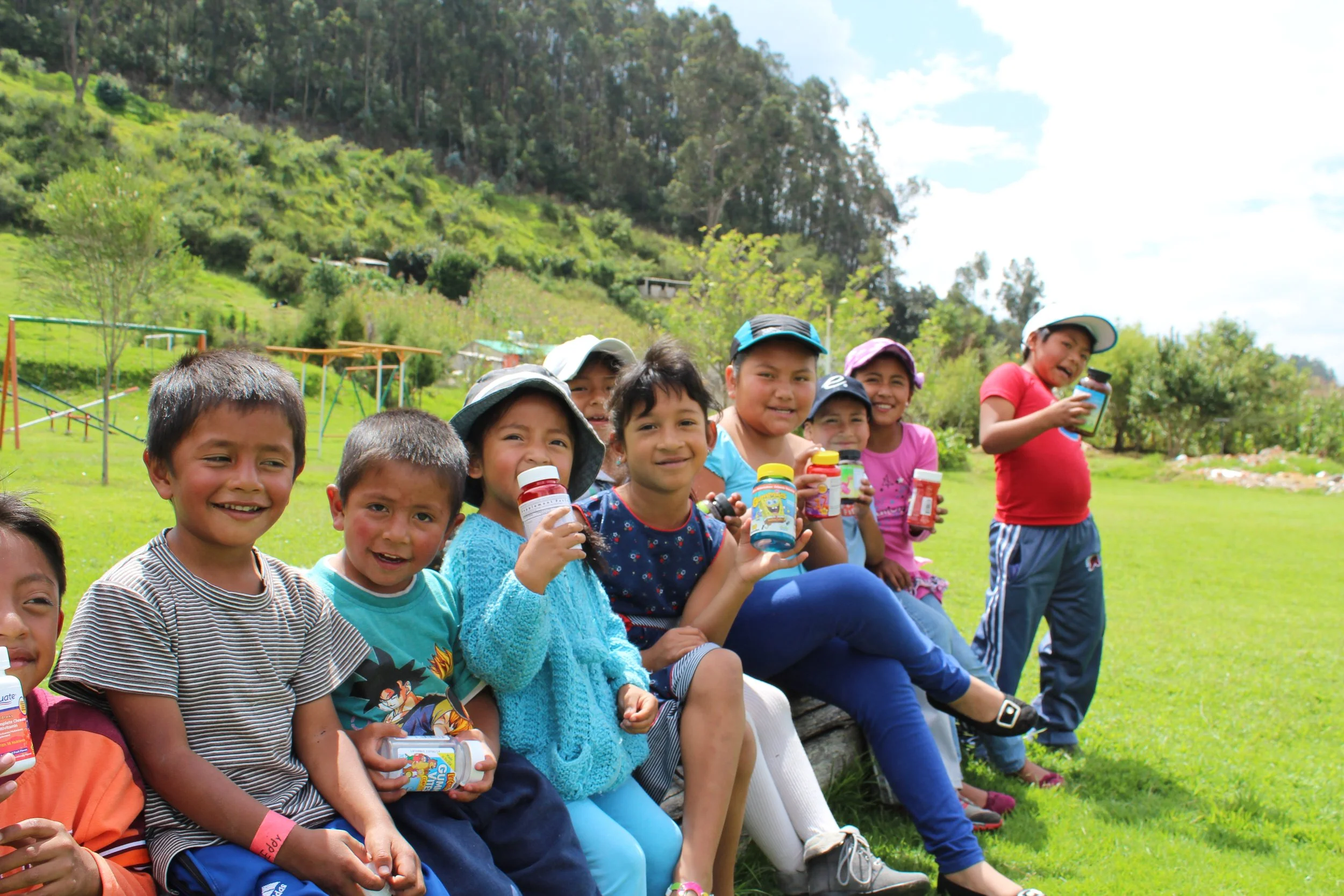
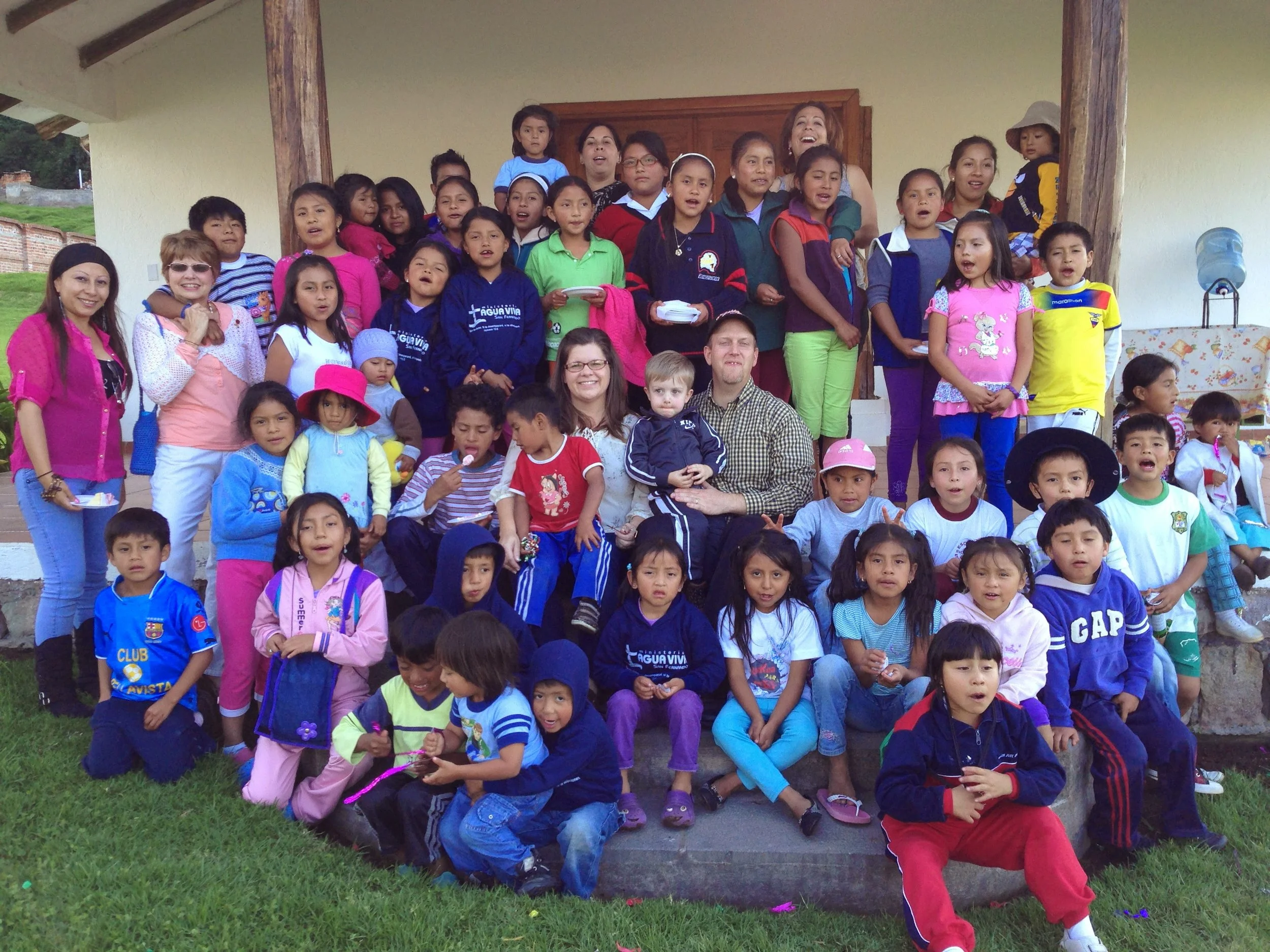
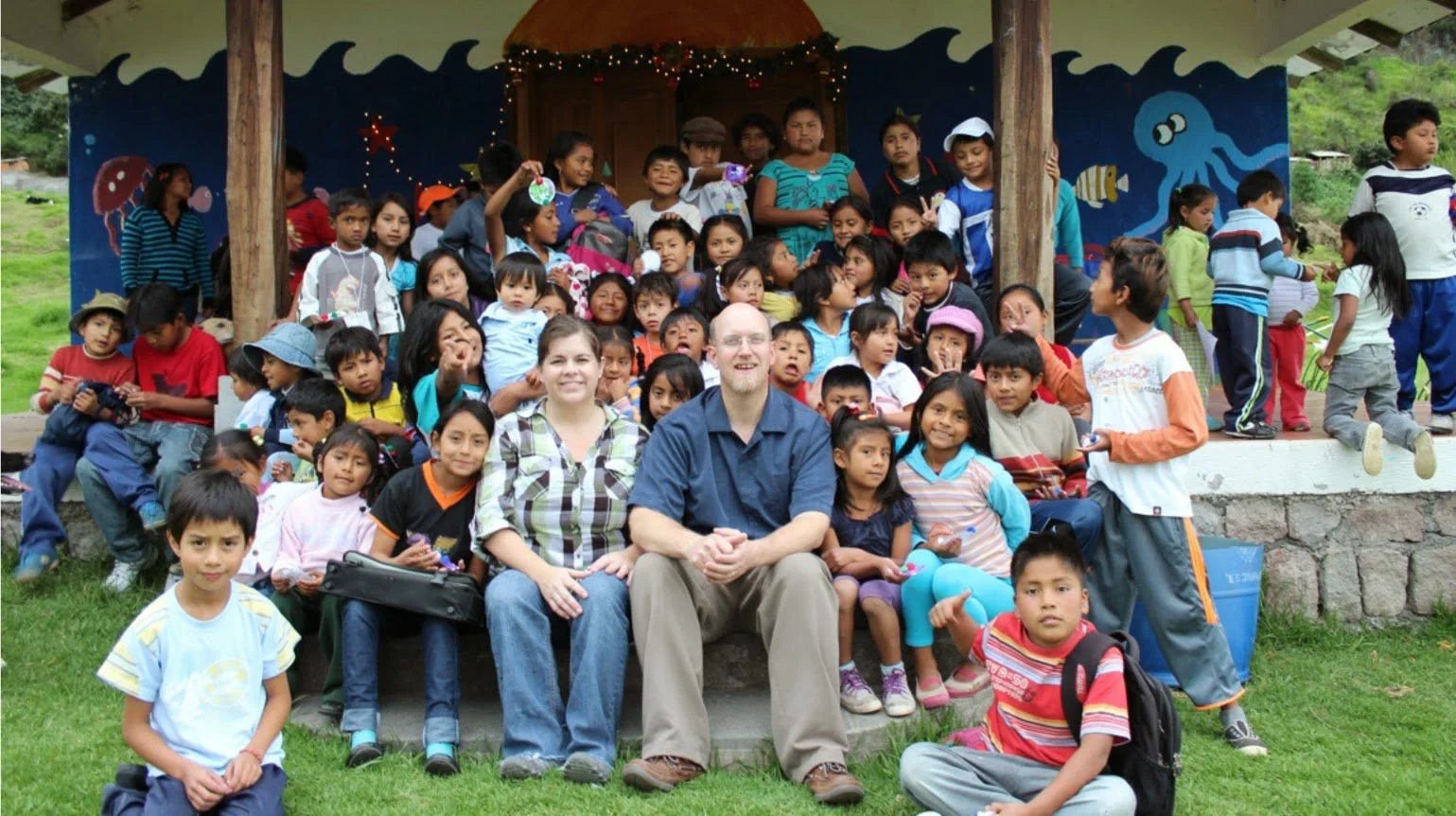
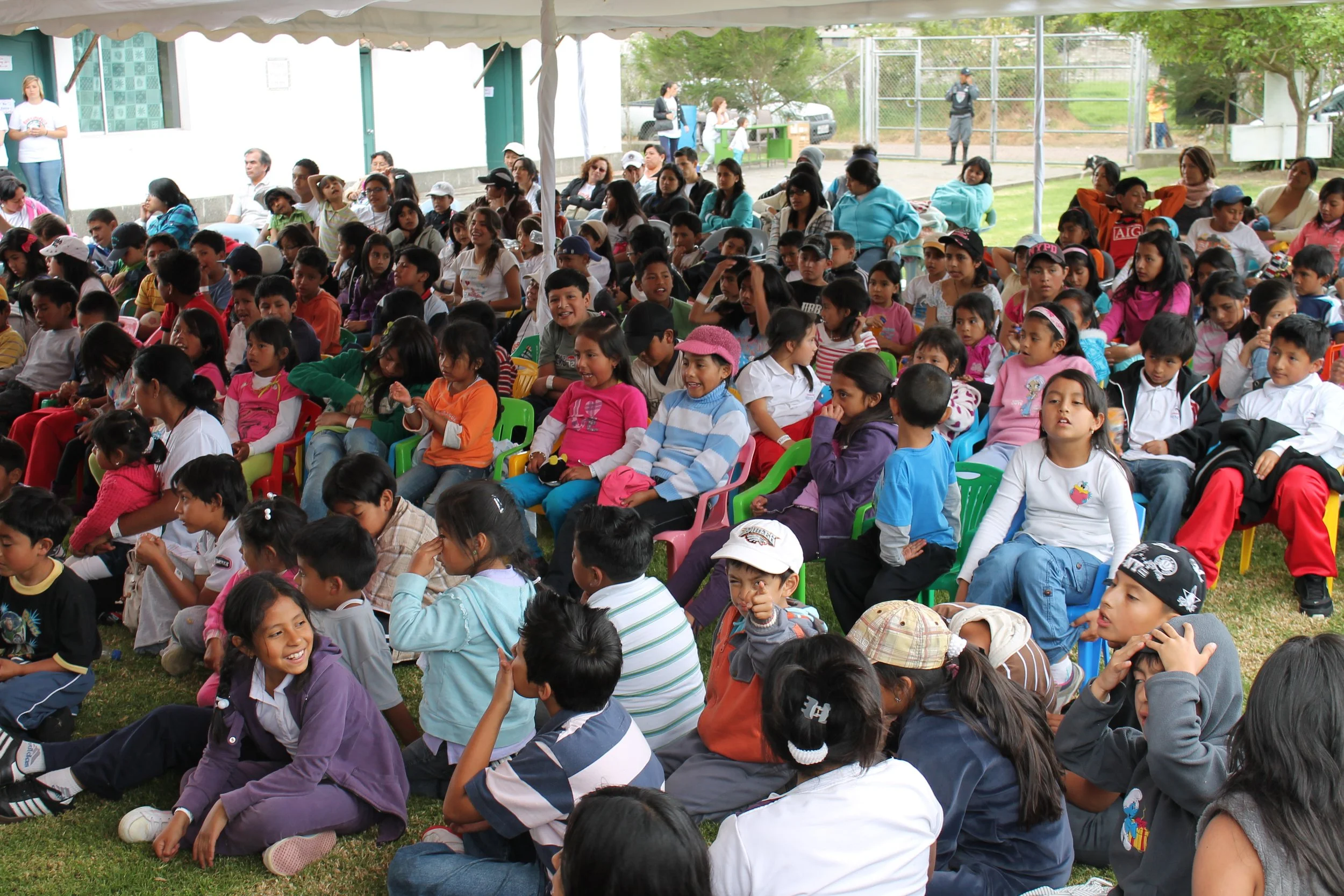
Approximately 200 children came that day.
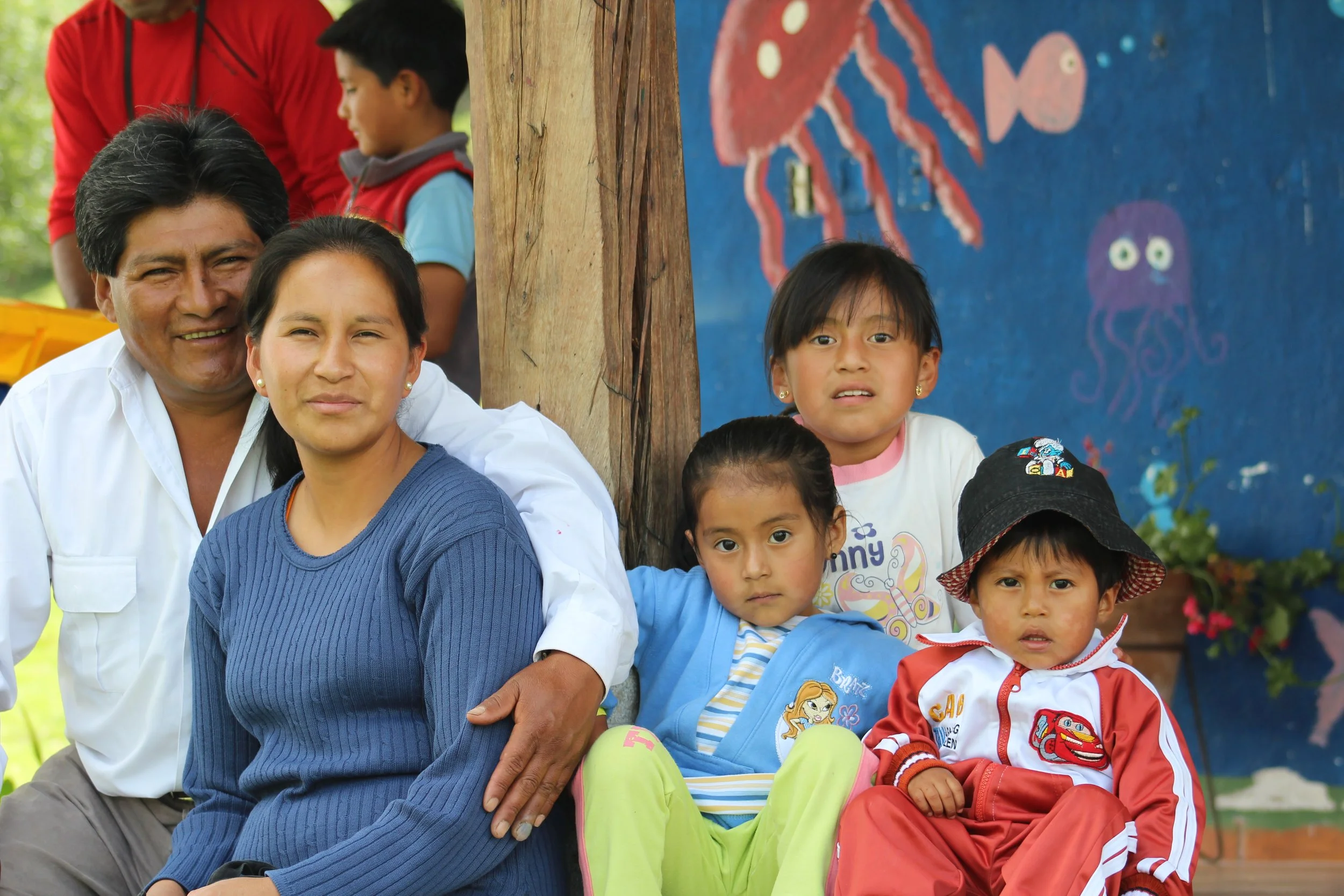
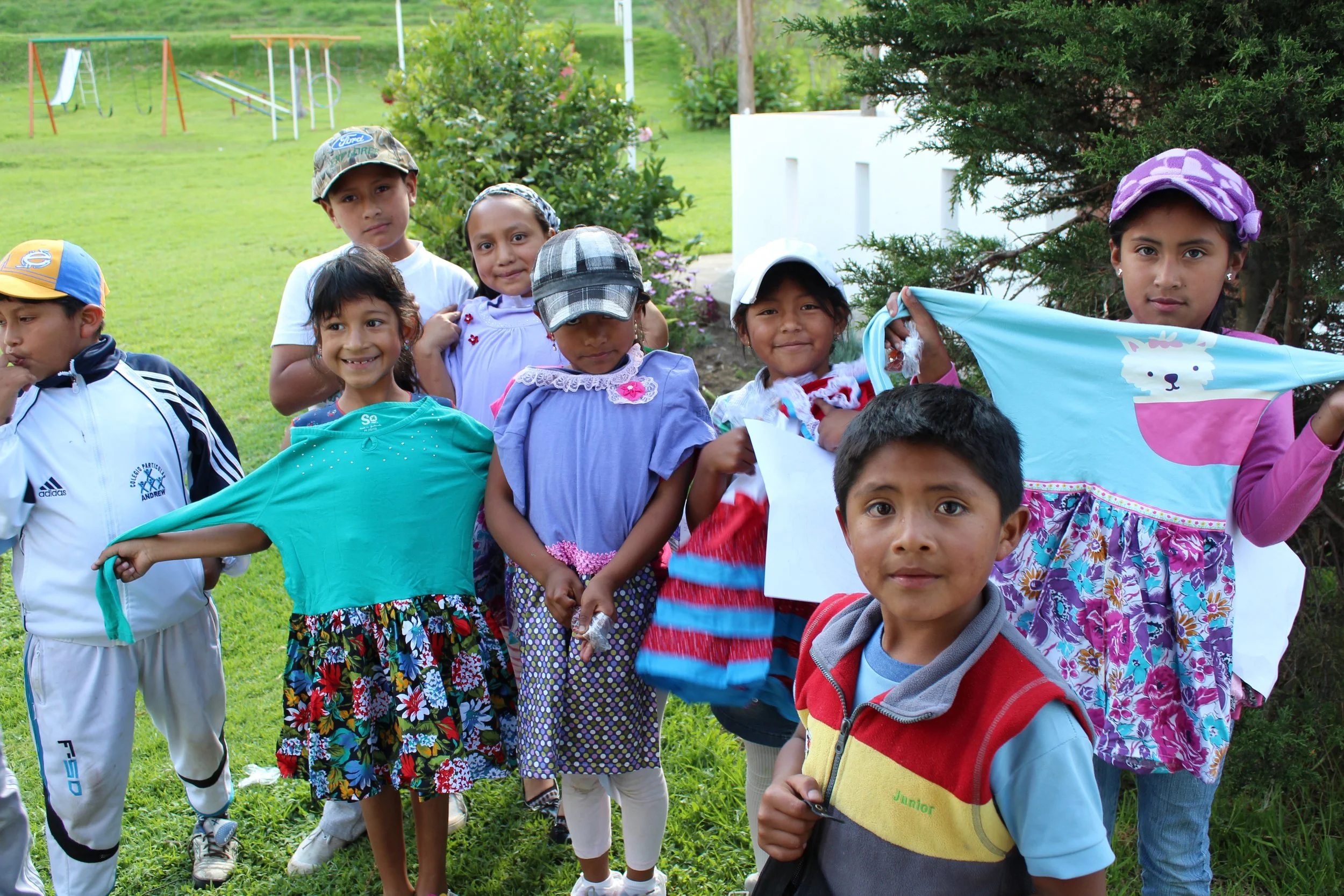
Most came from existing churches in the valley. But the Lynches had also walked door-to-door in San Fernando — the immediate neighborhood — and offered free tickets to local children whose families had no church connection at all. Of the children identified, more than twenty came. It was the first time those families had ever set foot on the property.
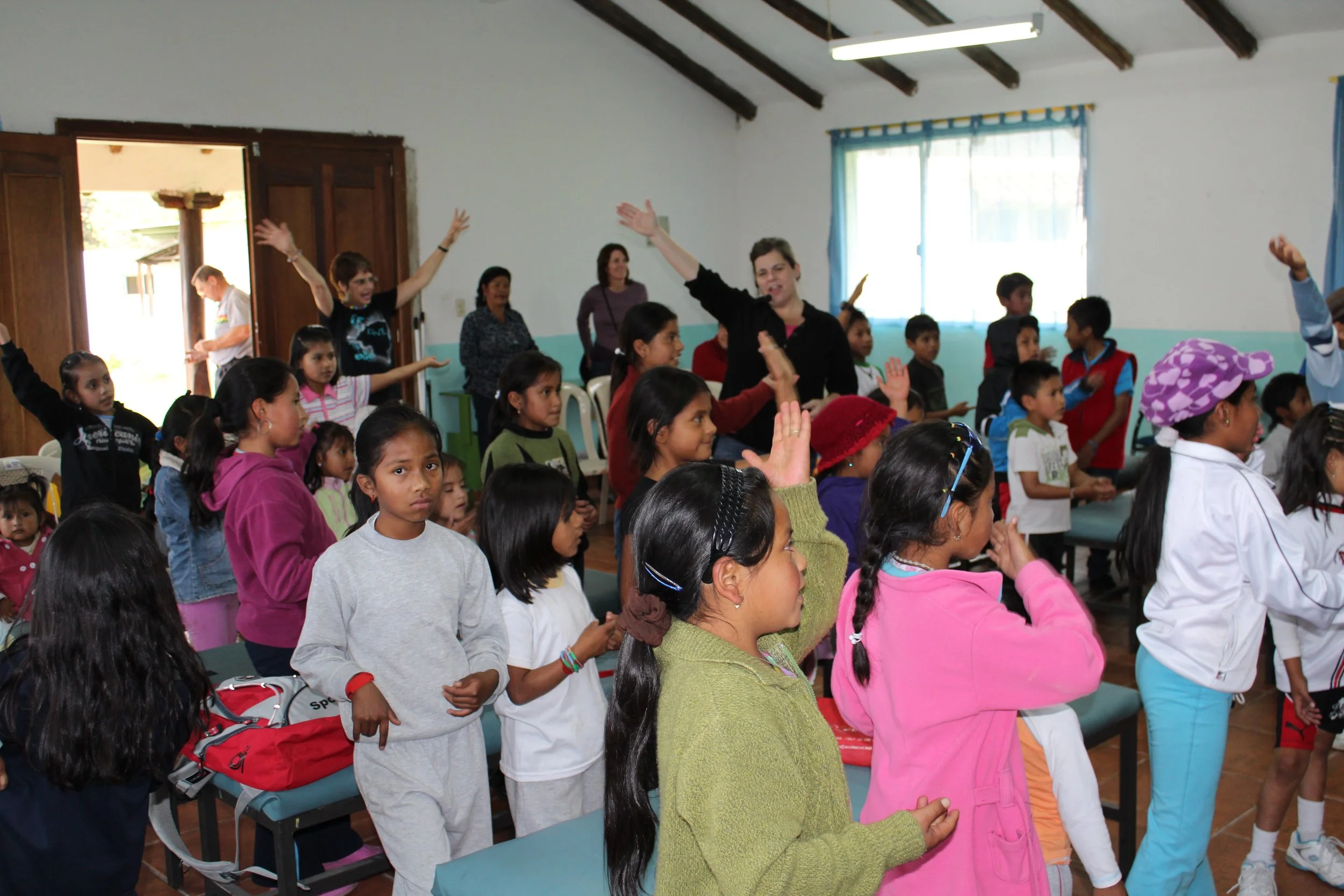
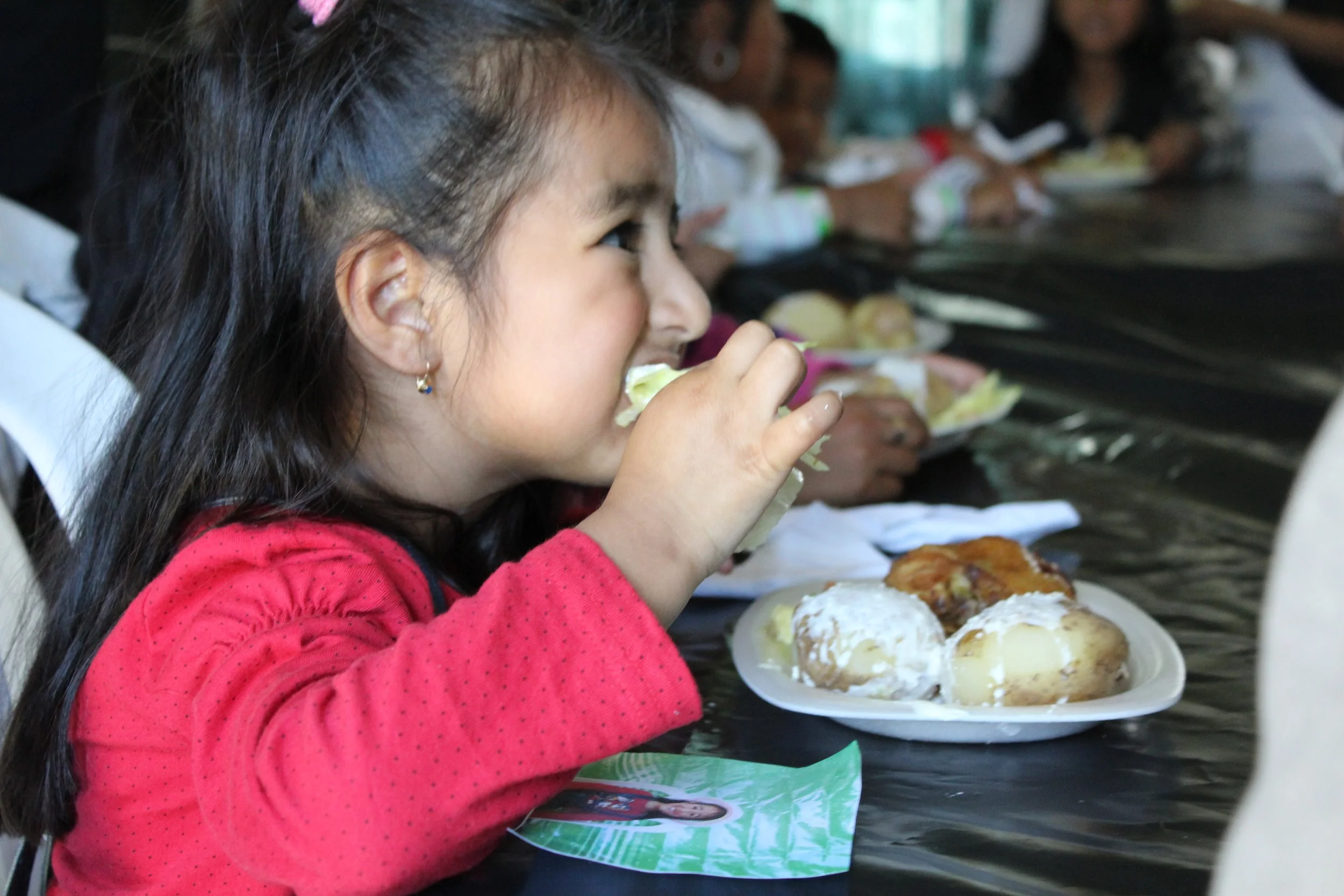
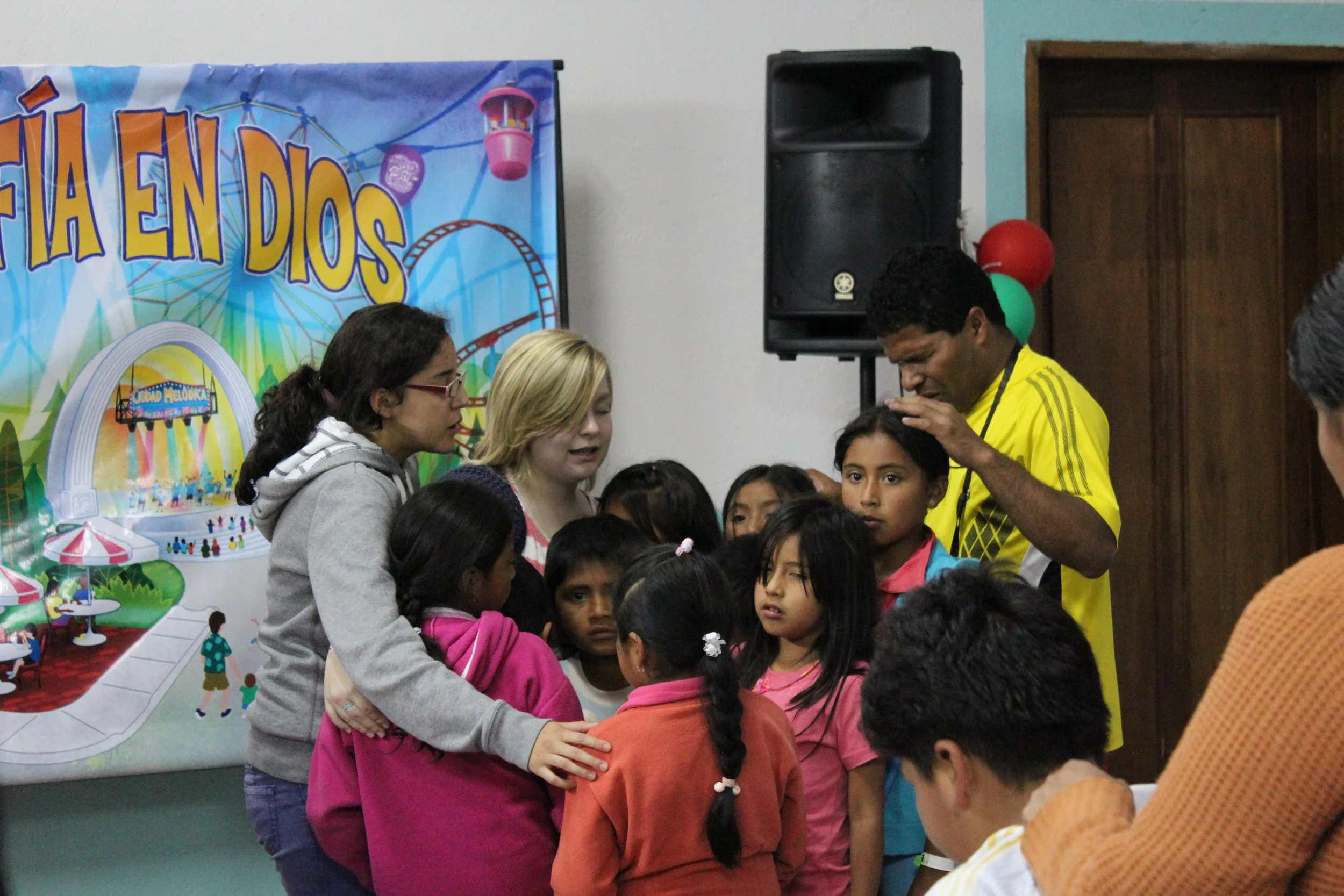
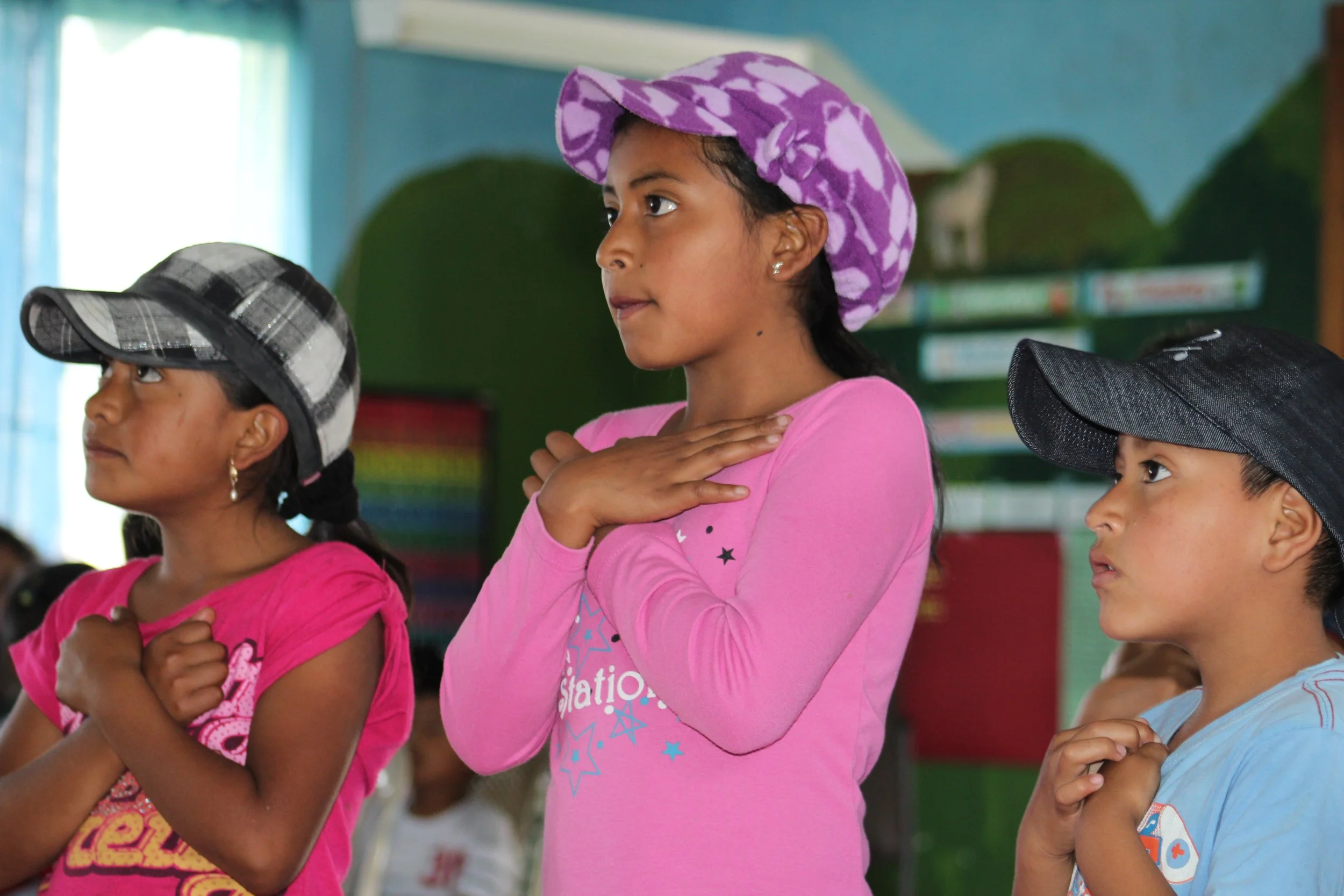
There were three kids' church services that day. Two meals. A carnival. Altar times when children prayed for healing for family members, for each other, and for many, to know God’s love.
Two Hundred Children, and a Soccer Ball.
As the first kids' service began under the tent, Tamitha stood at its edge.
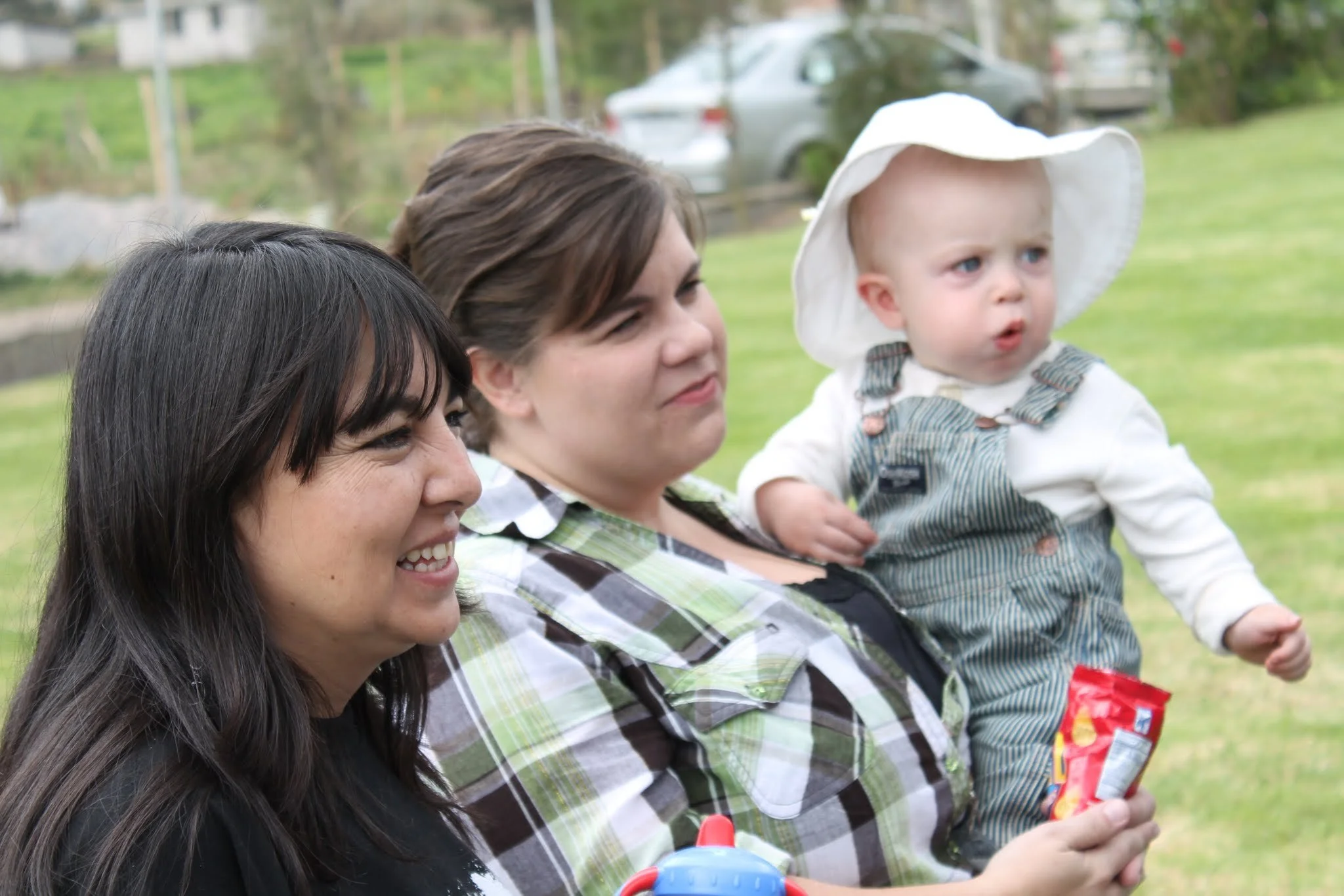
She had been holding James, one year old, for most of the morning. She set him down for a moment to watch the service start and wept at the beauty of this vision becoming reality.
That same weekend, on the same campus, James took his first steps.
A little boy who had been carried up a hill some weeks before — carried up to the moment his parents received the vision — found his feet on the property the vision had bought. Within minutes, he had found a soccer ball. He could not yet walk steadily, but he was already trying to kick.
It was, perhaps, the smallest miracle of that weekend. Two hundred children sang under the tent. One child, one year old, took the first steps that would carry him across that same campus for the rest of his childhood.
Both miracles happened on the same Saturday. Both were answers to the yes that had been said on the hilltop.
What the Chain of Yeses Built
Twelve years later, Agua Viva is still there — the flagship campus of Project M:25 — now home to children's programs, holistic child development training, pastoral cohorts, and an academic partnership with Lee University that grew out of the 2016 Ecuador earthquake response.
Every campus and partner site M:25 has helped open across Latin America since has carried the same operating logic. The work moves at the speed of trust. Trust gets built one yes at a time. The buildings come after the children, not before. The founders are not the heroes; the partners are.
None of it would have been built without the chain.
A church in Fountain Valley that wired the money before the money was in hand. A father who wrote the check his son had not asked for. A realtor who shepherded the deal. A denomination that said yes after asking the right questions. Ecuadorian leaders who carried the local weight. A children's ministry team that absorbed a venue change with a smiley face. Eighty teachers on long bus rides. Two hundred children are at the gate before the start time.
And on the hilltop above all of it, on a morning before any of it was real, a young couple holding a one-year-old, saying yes to a vision they did not yet know how to pay for.
That is how Agua Viva came to be — and how the chain of yeses still works today.