
A N T I - T R A F F I C K I N G I N I T I A T I V E

Safe Homes Where Children Can Heal
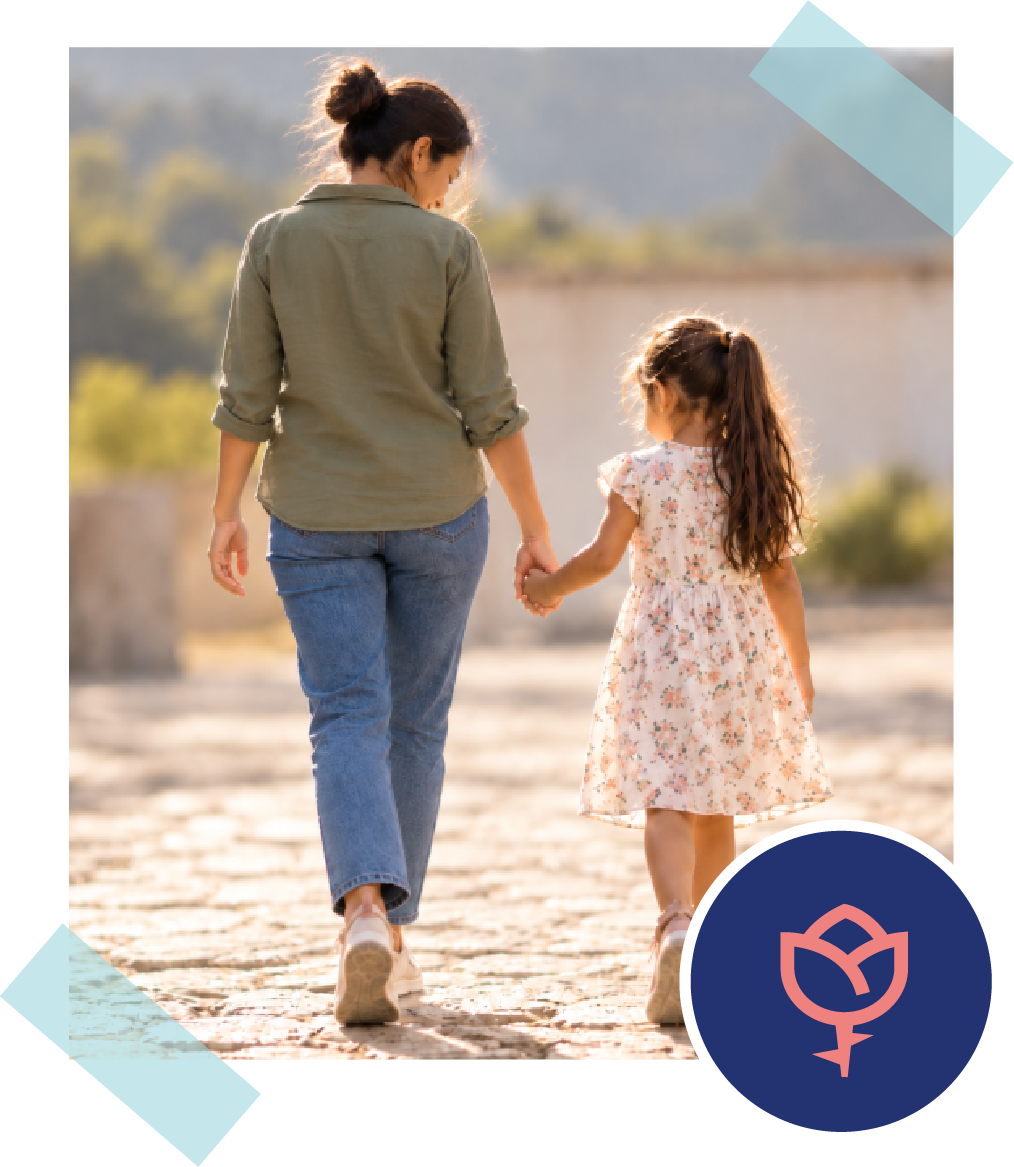
For children coming out of trafficking, healing takes time, trust, and people who keep showing up.
You can equip safe homes around the world to provide the consistent, Christ-centered care children need to heal, rebuild trust, and have hope for the future.


See Why What Happens After Rescue Matters
Why 66 Cents?
Sixty-Six Cents. Two Very Different Stories.
One little girl was exploited for just 66¢ at a time.
Praise God, she was rescued.
But rescue didn’t erase what she’d been through. Healing would take time, trust, and people willing to walk alongside her.
Today, about 66 cents a day can help support the kind of care children like her need to begin again.
Her past doesn’t have to define her future.


Help A Child Be Seen. Safe. Loved.
SEEN
Known, heard, and surrounded by people who care.
SAFE
A stable home with prepared, consistent caregivers.
LOVED
Relationships rooted in Christ that help rebuild trust and hope.

Every Gift Helps Write a New Chapter
$25,000 helps support one safe home for one year.
Behind every safe home are the people who make healing possible. Caregivers who offer stability, build trust, and walk alongside children through difficult days and hopeful milestones.
Your generosity helps equip these caregivers with trauma-informed tools, training, and ongoing support so children have more than a safe place to stay. They have people who stay.
Whether you give $20 a month or another amount, your gift helps make that care possible.
More Than Survival
A future worth looking forward to.
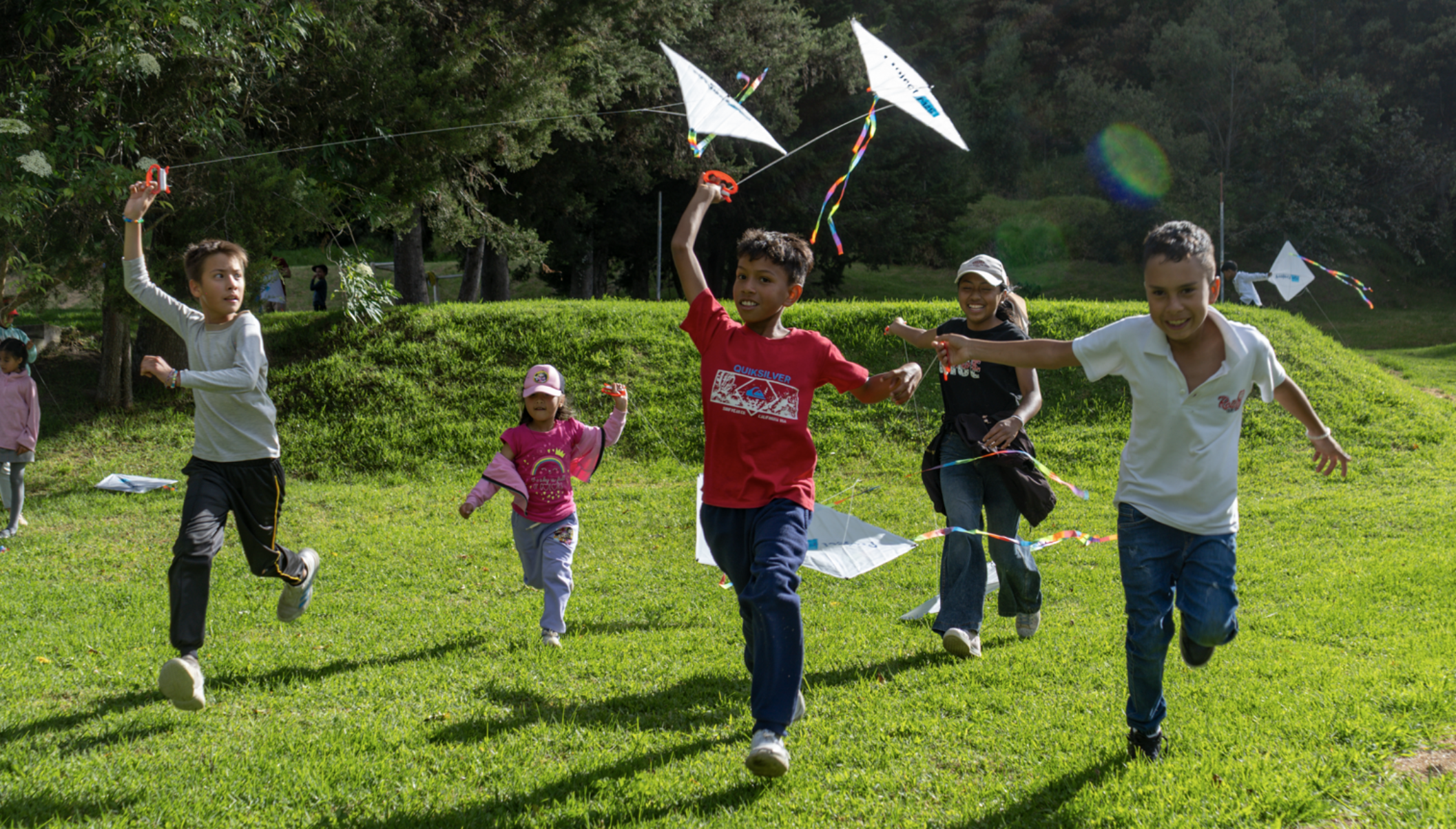
Imagine a child who once lived in fear beginning to laugh freely again. Learning something new. Forming friendships. Discovering their gifts. Dreaming about tomorrow.
That’s the future we’re working toward.
Through local partnerships, Project M:25 helps children move beyond survival toward lives marked by resilience, purpose, and hope.
Anti-trafficking awareness
Protect as well as give
Most of what churches hear about trafficking is about the moment a child is found. Our part is the home she goes to and the people in it, so a child who gets out has somewhere safe to heal and people who stay.
What trafficking is: someone controls another person through force, lies, or threats, and profits from what that person is made to do. Under U.S. law, any child under 18 who is used for commercial sex is a victim of trafficking, whether or not anyone forced them.
A child who gets out with no safe place to go is most often trafficked again, usually within two years.
children are in forced labor on any given day. 1.7 million of them are in commercial sexual exploitation.
ILO, Walk Free and IOM, Global Estimates of Modern Slavery, 2022of the trafficking victims found by authorities worldwide are children.
UNODC, Global Report on Trafficking in Persons 2024, data from 2022of victims were recruited by a family member or caregiver, and 28 percent by an intimate partner.
Polaris, analysis of 2021 U.S. hotline dataU.S. trafficking cases identified by the national hotline in 2024, involving 23,845 victims. Only the cases someone reported.
National Human Trafficking Hotline, statistics, 2024If you're worried about a child
Don't confront anyone you suspect, and don't try to investigate. Your part is to notice and to make the call.
U.S. trafficking hotline
1-888-373-7888Text 233733, or chat at humantraffickinghotline.org. Free, confidential, and open 24 hours, in English, Spanish, and more than 200 other languages.
Outside the U.S.
Mexico: 800 5533 000
Thailand: 1300
Hotlines by country: a21.org/reportnow. Anywhere else, call the local emergency number.
About the U.S. hotline
The National Human Trafficking Hotline (TTY 711) is run by Compass Connections with federal funding. It is not law enforcement or immigration, and its staff are required to report some situations to protect children.
Signs worth noticing
No single sign proves anything, and not every child shows them. If you notice several together, take it seriously and tell someone trained to respond.
A sudden older "boyfriend," new phones, clothes, or money they can't explain
Someone else who seems to control where they go, who they talk to, or who speaks for them
Missing school often, running away, or being moved from place to place
Fear, anxiety, or watchfulness that seems tied to a particular person
Online contact that asks for secrecy, moves to another app, or asks for photos
Learn to spot it with short videos: A21, "Can You See Me?"
Keeping children safe online
Grooming often starts on a phone. The best protection is an adult a child trusts enough to tell. Talk early and often, keep devices out of bedrooms at night, and tell your children plainly: if anyone ever asks you for photos or threatens you, it is not your fault, and you can tell me.
Myths that get in the way
MythTrafficking means a stranger kidnapping a child.
FactMost often it starts with someone the child knows: a relative, a boyfriend, a "friend" met online.
MythIt only happens somewhere else.
FactIt happens here too. In 2024, the U.S. hotline identified 12,001 cases, and those are only the ones someone reported.
MythOnce a child is out, the story is over.
FactGetting out and getting well belong together. A child needs a safe home, with caregivers who are ready for the hard nights.
How we tell these stories
Every story we share follows written guidelines. We share only what a home has approved for sharing, we tell it in a way that keeps the child safe, and we leave the details of what was done to a child out of it. Their stories belong to them.
We ask the same of every church that tells these stories.
Read the guide for pastorsMore ways to help
Pray
for the children, the caregivers, and the local partners in these homes.
Bring it to church
Give Hope Sunday, on any Sunday that works.
Share this page
with the parents, teachers, and youth leaders you know.
Ask your ministries
whether they have a written policy for protecting children's dignity and privacy. One that protects children well will welcome the question.
Fund the care
$25,000 equips one safe home for a year, and $20 a month funds a share of that care. Give now
About Project M:25
Give Hope is one expression of Project M:25’s larger mission.
We work alongside local partners to help vulnerable children thrive physically, mentally, relationally, and spiritually, addressing immediate needs while building the resilience and relationships that make lasting transformation possible.