Caring for the whole child — so a hurting kid can truly thrive.
Every Project M:25 program runs on one simple idea: a child is not a problem to fix. A child is a whole person to love — body, mind, relationships, and faith. The THRIVE Model is how we care for all of it, and how we teach others to do the same.


One child, every part of her
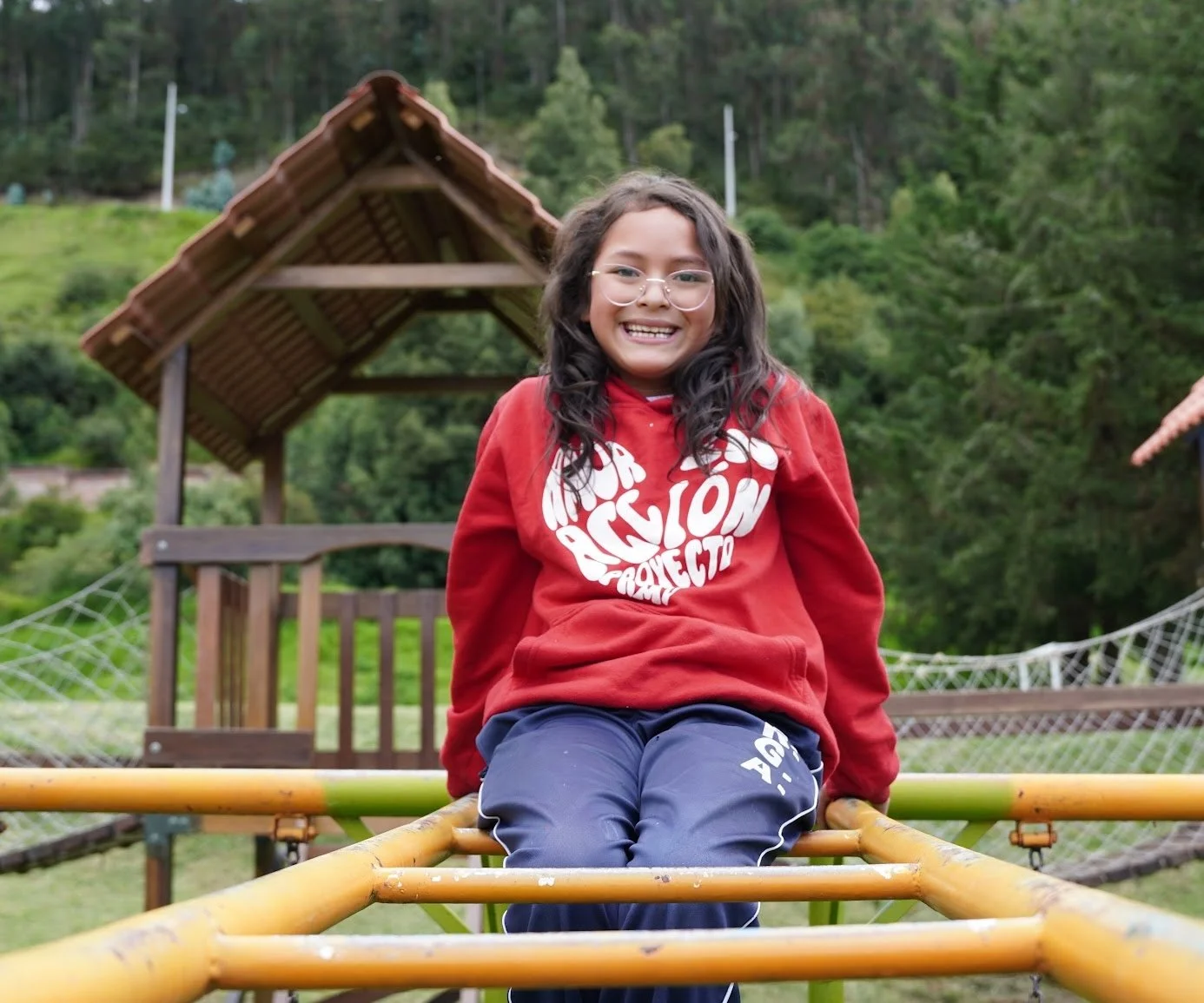
A hurting child arrives somewhere — a home, a church, an after-school program. The nurse sees a body that needs feeding. The teacher sees a mind that needs catching up. The kind woman in the kitchen sees a lonely child who needs a friend. The pastor sees a soul that needs Jesus.
Four caring adults, each tending one part of her. But she isn’t four separate problems — she’s one whole child.
Here’s what we’ve learned: when we care for only one part at a time, the good we do doesn’t hold, because the rest of her is still hurting. A well-fed child who feels unloved is still a child in pain. The THRIVE Model exists so that doesn’t happen. It’s a way of caring for the whole child at once — her body, her mind, her relationships, and her faith in a God who loves her.
Four parts of one life
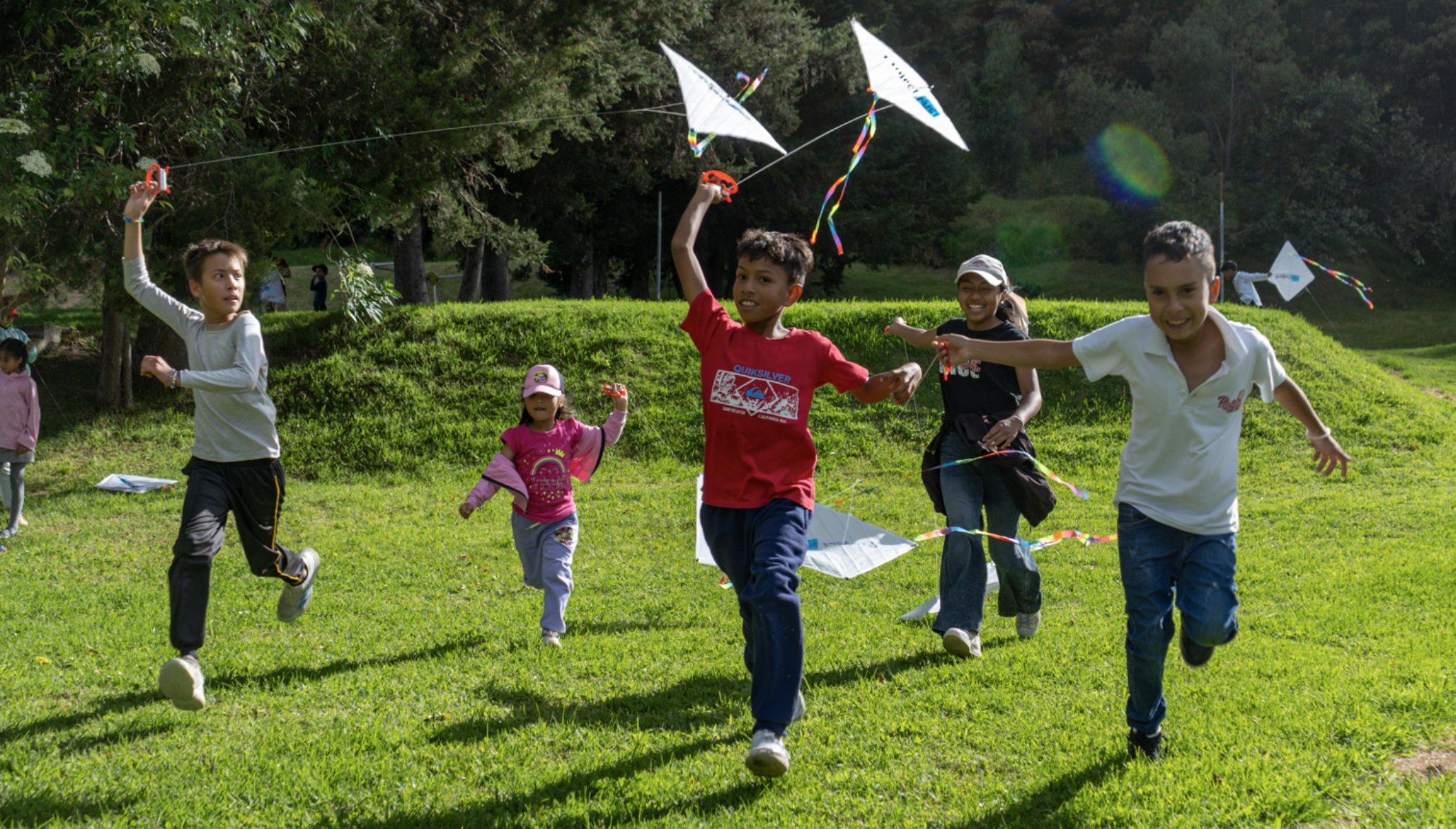
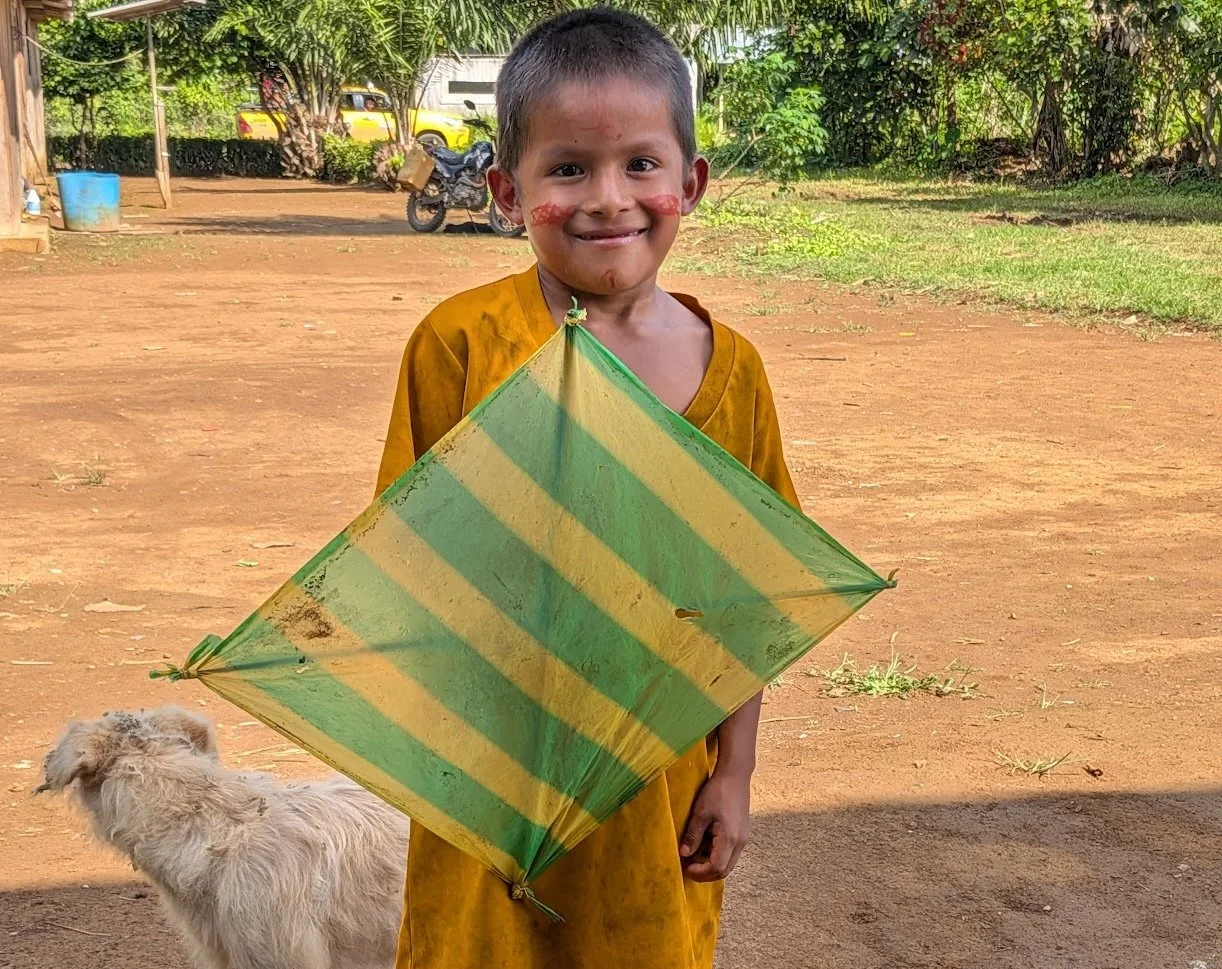
Picture a kite. Four corners, held together by one frame, lifted by the wind. Pull out a corner and the whole thing falls. A child is like that. Grow only one part, and the gains slip away. Grow all four together, and a child rises.
A safe, healthy body
Clean water, food, rest, and protection from harm. When a child’s body is stable, everything else becomes possible — a hungry, frightened child can’t learn or heal.
A calmer mind
Naming big feelings and learning what to do with them — simple tools to get from overwhelmed back to okay. This is what surviving to thriving looks like on the inside.
People who stay
At least one steady, caring adult — the single most powerful thing research has found for a child’s resilience. We build those bonds patiently, over years.
Loved by God
Prayer, Scripture, and the truth that each child is made in God’s image — seen, treasured, and never alone. For a child who has been told they don’t matter, discovering they are loved by God is the deepest healing of all.
You can’t force a child to heal. You can create the conditions where healing happens.
A gardener can’t pry a seed open. But she can give it soil, water, light, and protection — and the seed does what seeds were made to do. Caring for children who’ve been through hard things works the same way.
We don’t rush. We build safety first, warm connection next, and calm before conversation. That’s what “trauma-informed care” means in plain language: we pay attention to what a child has lived through, and we make sure nothing we do adds to the hurt. It doesn’t take a degree. It takes a way of seeing — and adults who show up, day after day.
Before anything we do, we ask that one question. If the answer is yes, we keep going. If it’s no, we change it.

From Model to Method
The same care, at three movements
The THRIVE Model isn’t a theory on a slide. It’s a practice — lived out every day at our campus in Quito, and carried into communities far beyond it. Every program we run lives inside one of three movements.
Provide Relief
Meet urgent needs with dignity — clean water, food, medical care, and safety. The steady ground everything else is built on.
Give Water
Local pastors install in-home water filters, then keep visiting until a filter becomes a friendship.
Give Christmas
Gifts, food, and celebration for hundreds of children each December.
Nutrition & Health
Meals, clean water, and medical care in the daily rhythm of the Agua Viva campus.
Humanitarian Relief
Emergency aid when crisis strikes a community we serve.
Build Resilience
Give children and families the tools, relationships, and hope to grow strong on the inside — the slow, patient work of healing.
Kids Club
Holistic care, learning, and mentoring for children at Agua Viva.
Give Light
Mentoring and education for teens.
Amigos Sponsorship
One steady, praying friend for one child. $30 a month.
Women’s Empowerment
Education and empowerment for mothers — Joyas Preciosas at Agua Viva.
Parent Education
Workshops in healthy, connected child-rearing.
Multiply Impact
Train the leaders, churches, and caregivers who carry this care forward into their own communities — so more children can thrive.
Thrive Training
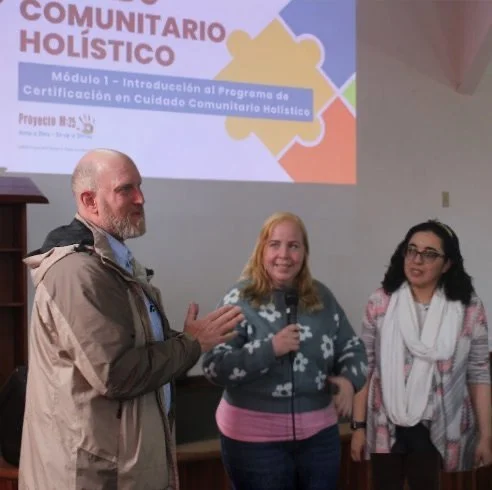
Trauma-informed certification for practitioners and whole organizations.
Thrive Tools
Curriculum for kids, teens, and parents.
Mission Trips
Come and see; serve alongside the people already doing the work.
Seminary Interns
More than 80 trained hands-on at Agua Viva and sent home across the region.
Give Hope
Trauma-informed care partnerships with residential children’s homes.
Multiply the Mission
The International Training Center campaign.
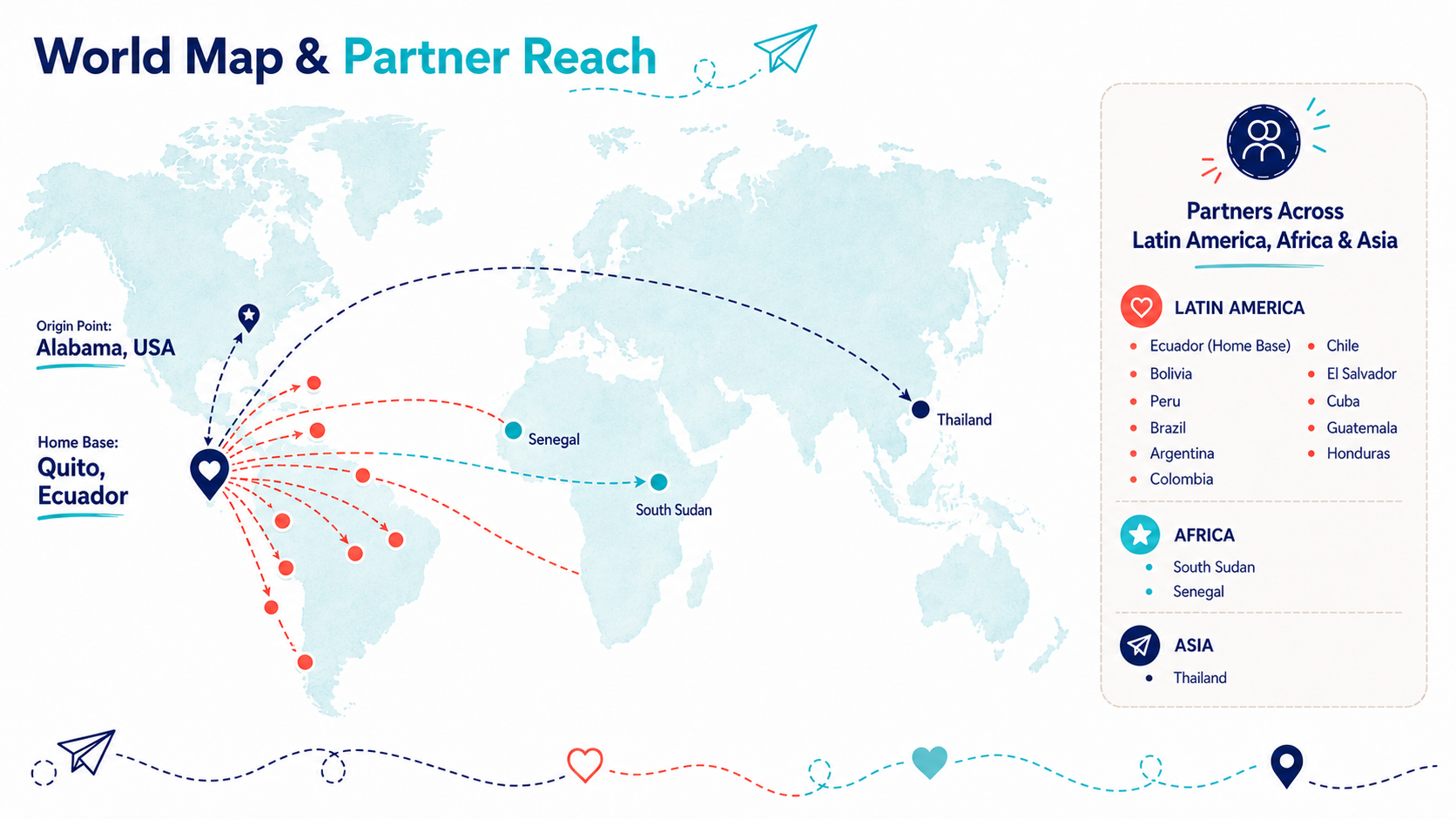
The leaders we train carry this care home to their own communities — so one campus in Quito becomes a movement across the world.
Refined on the ground. Backed by research.
For more than 14 years, our campus outside Quito, Ecuador — Agua Viva — has been a real-world learning lab for holistic child development.
The THRIVE Model grew there, through daily practice with real children and families, and was shaped in partnership with Lee University’s Holistic Child Development program. It rests on established research about how children heal, grow, and become resilient — and it’s built to work in both well-resourced and low-resource settings.
Close to home, we partner with SEMISUD, the seminary in Quito, to train ministry students in the model. More than 80 interns have learned it hands-on at Agua Viva and carried it back to their own countries — putting it to work in churches, schools, and children’s homes across the region.
Bring the THRIVE Model to your community.
Whether you lead a church, a children’s home, or a community program, we’ll help you put this whole-child care into practice — wherever you serve.
Get Trained in the THRIVE Model See what this looks like in real life →